
Ted Spaulding’s Insights on “The Widower” Murder Trial: A Discussion with Court TV
In a riveting interview on Court TV, prominent trial attorney Ted Spaulding shed light on the intricacies of “The Widower” murder trial, offering his expert analysis alongside former federal prosecutor Nema Romani. With a keen eye for detail and years of experience in the courtroom, Spaulding delved into the defendant’s behavior and statements, dissecting how they could impact the outcome of the trial.

The Art of Silence in the Face of Accusation
As the discussion kicked off, the Court TV host expressed her frustration with the defendant’s incessant talking during the trial. She noted that the defendant’s words could be used against him, and she couldn’t help but emphasize the significance of stopping the verbal onslaught. Spaulding concurred, sharing that he was equally struck by the defendant’s excessive communication.
Spaulding elaborated on the potential negative repercussions of the defendant’s loquaciousness. He highlighted that the defendant’s expansive statements and unnecessary details might confuse the jury, causing them to question the credibility of his testimony. Spaulding suggested that the defendant’s verbosity could lead jurors to conclude that he was being evasive or fabricating parts of his account.
The Power of Details and Odd Comments
Nema Romani highlighted the role of details in building a compelling case. She pointed out that the defendant’s focus on insignificant particulars, such as his parking habits, could distract from more crucial aspects of the case. The team of experts discussed how the defendant’s detailed description of rolling his deceased wife over had caught their attention. They found it significant in light of his history with previous wives’ deaths.
Although the jury wouldn’t hear about the defendant’s prior marriages and his history of wives’ deaths, Spaulding and Romani dissected how his comments and peculiar choice of words could potentially affect jurors’ perceptions. The phrase “pretty gross” used by the defendant to describe the act of rolling his wife’s body became a focal point of the conversation. Spaulding and Romani analyzed how such comments could be interpreted and speculated on their potential influence on jurors’ opinions.
Inconsistencies and Dramatics: A Trial Attorney’s Perspective
The discussion continued with an exploration of the defendant’s behavior during the trial. Spaulding commended the detective’s skillful questioning, which had elicited inconsistencies in the defendant’s testimony. Spaulding underlined the importance of careful questioning in revealing discrepancies in a suspect’s account. He also emphasized how the defendant’s changing version of events could erode his credibility in the eyes of the jury.
Drawing from his own expertise in personal injury cases, Spaulding observed the defendant’s dramatic reactions while moving objects in the courtroom. He noted that the defendant’s exaggerated groans and gestures might be intended to elicit sympathy or justify his actions based on a pre-existing medical condition. However, Spaulding maintained that such behavior could also be seen as over-the-top and insincere.
The Defense Strategy: Medication and Beyond
Both Spaulding and Romani delved into the potential strategies the defense might employ. Romani speculated that the defense could use the defendant’s alleged medical condition and medication as an explanation for his behavior during the incident. This strategy could tie into the defendant’s dramatic reactions, providing a plausible rationale for his actions.
In conclusion, Spaulding expressed gratitude for being part of the interview and emphasized the unpredictable nature of trials. He acknowledged the challenges that trial lawyers face in anticipating jurors’ interpretations of evidence and behavior.
Final Thoughts
The Court TV interview with Ted Spaulding illuminated the complexities of “The Widower” murder trial. With insights from a seasoned trial attorney, viewers gained a deeper understanding of how seemingly insignificant details, odd comments, and inconsistencies can shape jurors’ perceptions and influence trial outcomes. As the trial unfolds, Spaulding’s expert analysis serves as a reminder that the courtroom is a realm of strategic storytelling and unpredictable human responses.
Connect with us


- November 2025
- October 2025
- September 2025
- August 2025
- July 2025
- May 2025
- April 2025
- March 2025
- February 2025
- January 2025
- December 2024
- November 2024
- October 2024
- September 2024
- July 2024
- June 2024
- May 2024
- April 2024
- March 2024
- February 2024
- January 2024
- December 2023
- November 2023
- August 2023
- June 2023
- May 2023
- April 2023
- March 2023
- February 2023
- August 2022
Archives
- Alpharetta
- Atlanta
- Atlanta Legal Service
- Back Injuries
- Brain Injuries
- Car Accidents
- Construction Accident
- Covid-19
- Cumming
- Dog Bites
- FAQs
- Firm News
- Georgia
- Gwinnett County
- Interview
- Lawrenceville
- Motorcycle Accidents
- Negligent Security
- Pedestrian Accidents
- Personal Injury
- Premises Liability
- Property Damage
- Slip and Fall Accidents
- Spaulding Injury Law Service
- Swimming Pool Accidents
- Train Accidents
- Truck Accidents
- Uncategorized
- Video
- Wrongful Death
Categories
Spaulding Injury Law:
Atlanta
Personal Injury & Car Accident Lawyer
50 Hurt Plaza S.E. #1536,
Atlanta GA 30303
 Get Directions
Spaulding Injury Law:
Alpharetta
Personal Injury & Car Accident Lawyer
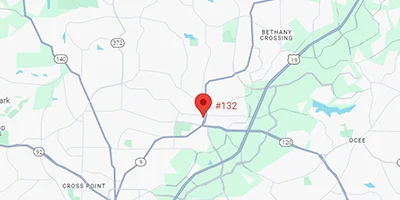
44 Milton Ave #132
Alpharetta, GA 30009
 Get Directions
Spaulding Injury Law:
Cumming
Personal Injury & Car Accident Lawyer
5860 Bond St
Cumming, GA 30040
 Get Directions
Spaulding Injury Law:
Lawrenceville
Personal Injury & Car Accident Lawyer
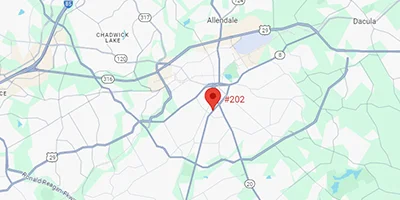
223 Scenic Hwy S #202
Lawrenceville, GA 30046
 Get Directions