
What Your Insurance Company Doesn’t Want You to Know About Your Claim
If you’ve been injured in an accident in Georgia or the metro-Atlanta area and are now filing a claim with your own insurance company—whether for uninsured/underinsured motorist (UM) coverage or another reason—it’s important to understand how these claims work. Many people mistakenly believe their insurance company is on their side, but that’s not how the process works. Watch the following video and read the following blog post to learn what you need to know to navigate your claim successfully.
1. Your Insurance Company Is Not Your Ally
One of the biggest misconceptions is that because you pay for your insurance policy, your insurance company will handle your claim fairly and quickly. Unfortunately, the process is adversarial, even with your own insurer. They’ll evaluate your case, look for reasons to devalue it, and make arguments similar to what the at-fault party’s insurance company might make.
Tip: Treat your insurance company like you would the at-fault party’s insurer. Don’t lower your expectations or assume the process will be easier simply because it’s your own policy.
2. The Process Will Likely Take Time
Insurance companies often try to drag out claims to frustrate you. Delays, low-ball offers, and repeated arguments are common tactics. The goal? To wear you down so you’ll settle for less than your claim is worth.
Tip: Don’t rush to accept an early settlement offer. Take the time to evaluate your full damages, including medical bills, lost wages, and pain and suffering. Settling too early can mean leaving money on the table.
3. Know Your Policy Limits
Insurance companies won’t voluntarily tell you your policy limits, but knowing them is crucial to understanding the maximum compensation available to you.
Tip: Check your policy or request this information directly. Policy limits set the ceiling for what your insurance company is obligated to pay under UM or other coverages.
4. You May Be Able to Stack Policies
Your insurance company might not inform you that you can stack multiple UM policies to increase your compensation. In many states, if you have multiple vehicles or policies, you can combine (or “stack”) their UM coverage to maximize your claim.
Example: In Georgia, if you have a UM policy for your car and a separate policy for a motorcycle, both could apply to your claim.
Tip: Research your state’s laws regarding stacking and evaluate all applicable policies to ensure you’re maximizing your compensation.
5. Filing a UM Claim Won’t Raise Your Rates
Insurance companies may hope you won’t file a UM claim out of fear that your premiums will increase. However, in many states, including Georgia, it’s illegal for insurers to raise your rates for filing a UM claim stemming from a not-at-fault accident.
Caveat: The only exception is if you file multiple UM claims within a short timeframe, such as one to three years.
Tip: Don’t let fear of a rate hike prevent you from pursuing compensation you’re entitled to under your policy.
6. Notify Your Insurance Company Immediately
Most insurance policies require you to notify your insurer of an accident within a “reasonable” timeframe. Failing to do so could result in a denial of coverage. In Georgia, for example, courts generally interpret “reasonable” as within 90 days.
Tip: Notify your insurer as soon as possible after the accident. Delaying notification could jeopardize your ability to file a claim.
7. Your Insurance Company Can Be Found in Bad Faith
Just like the at-fault party’s insurer, your insurance company has a legal obligation to handle your claim in good faith. If they undervalue your claim, deny coverage without reason, or refuse to pay policy limits when warranted, they could be held liable for bad faith.
Tip: If you suspect bad faith, consult a qualified attorney to help hold your insurer accountable.
8. Full Medical Expenses May Be Covered
In many states, including Georgia, you’re entitled to the full “ticket price” of your medical expenses—not just what your health insurance paid.
Tip: Review your medical bills carefully and ensure your claim reflects the full cost of your treatment.
Conclusion
Filing a claim with your own insurance company can be just as challenging as dealing with the at-fault party’s insurer. Understanding your policy, being aware of common tactics, and knowing your rights can make a significant difference in the outcome of your claim.
If you’re unsure about your policy or feel your insurer is undervaluing your claim in the metro-Atlanta area, consult with an attorney at Spaulding Injury Law to help you navigate the process and get the compensation you deserve.
Call Your Local Spaulding Injury Law Location
We proudly serve Fulton County, Forsyth County, Gwinnett County, and all of the metro-Atlanta area. Click below for the personal injury office near you.
- Atlanta, GA (470) 380-0144
- Alpharetta, GA (470) 509-5772
- Cumming, GA (470) 380-0164
- Lawrenceville, GA (470) 266-3015
Connect with us


- November 2025
- October 2025
- September 2025
- August 2025
- July 2025
- May 2025
- April 2025
- March 2025
- February 2025
- January 2025
- December 2024
- November 2024
- October 2024
- September 2024
- July 2024
- June 2024
- May 2024
- April 2024
- March 2024
- February 2024
- January 2024
- December 2023
- November 2023
- August 2023
- June 2023
- May 2023
- April 2023
- March 2023
- February 2023
- August 2022
Archives
- Alpharetta
- Atlanta
- Atlanta Legal Service
- Back Injuries
- Brain Injuries
- Car Accidents
- Construction Accident
- Covid-19
- Cumming
- Dog Bites
- FAQs
- Firm News
- Georgia
- Gwinnett County
- Interview
- Lawrenceville
- Motorcycle Accidents
- Negligent Security
- Pedestrian Accidents
- Personal Injury
- Premises Liability
- Property Damage
- Slip and Fall Accidents
- Spaulding Injury Law Service
- Swimming Pool Accidents
- Train Accidents
- Truck Accidents
- Uncategorized
- Video
- Wrongful Death
Categories
Spaulding Injury Law:
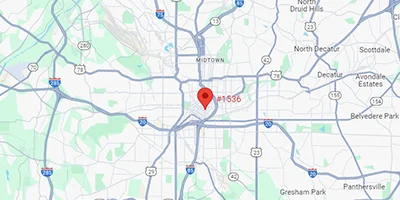
Atlanta
Personal Injury & Car Accident Lawyer
50 Hurt Plaza S.E. #1536,
Atlanta GA 30303
 Get Directions
Spaulding Injury Law:
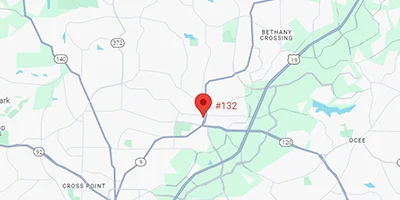
Alpharetta
Personal Injury & Car Accident Lawyer
44 Milton Ave #132
Alpharetta, GA 30009
 Get Directions
Spaulding Injury Law:
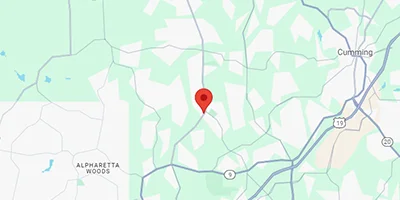
Cumming
Personal Injury & Car Accident Lawyer
5860 Bond St
Cumming, GA 30040
 Get Directions
Spaulding Injury Law:
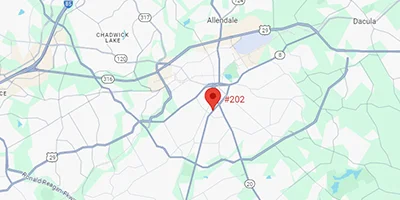
Lawrenceville
Personal Injury & Car Accident Lawyer
223 Scenic Hwy S #202
Lawrenceville, GA 30046
 Get Directions