
If your child was hurt while driving your car, they may be entitled to damages, depending on the circumstances of the incident. If someone else caused the crash, their insurance should be responsible for your child’s injuries and losses.
Usually, when someone is driving your car and there’s an accident, the responsibility and the liability lie on the person who caused the accident. However, your insurance provider can provide financial protection, since some drivers operate without minimum coverage.
If your son has sustained injuries in a car accident, an Atlanta car accident attorney can file a claim or lawsuit to recover damages for the injury.
What Happens if Someone Else Drives My Car and Gets in an Accident?
If your son was driving your car and caused a crash, two factors determine whether you’ll be liable for injury-related losses:
- The terms of your auto insurance policy
- Whether they drove your car with your permission
Usually, insurance companies provide coverage to the vehicle, not the driver. Consequently, the liability coverage extends to another person driving the car beside you. If in doubt, always check the terms and conditions of your cover.
Sometimes, there are exceptions to liability coverage when someone else is driving your car. For instance, an insurance provider may reject paying for accident-related losses if the other driver operates your vehicle without permission.
Are Parents Liable if Their Child Causes the Accident?
A young driver’s inexperience, distracted driving habits, and excitement on roads make them vulnerable to car accidents. As such, parents wonder whether they may be liable for accident-related losses in incidents involving their children.
Georgia law doesn’t hold parents accountable for damages in car accidents caused by their children. However, there are exceptions you should be aware of, including:
- Age: A parent may be liable for injury-related losses if they allow a child below 16 years to drive their vehicle, resulting in an accident. The responsibility arises because of negligent entrustment, which is letting someone drive your vehicle— who, due to their physical or mental impairment—should not.
- Restricted or Suspended License: Parents who allow a teen driver with a restricted or suspended license to use the family vehicle may be liable for accident-related losses.
- Defective Vehicle: A parent may also be liable for accident-related losses if they knew about the vehicle defect but allowed the teen to operate the vehicle leading to the accident.
Does it Matter if My Child Has Permission to Use the Car?
If you permit a driver to use your vehicle, your insurance coverage will extend to the driver, a doctrine called ‘’permissive use’’. If your child causes an accident that hurts someone else, your liability coverage steps in as the primary coverage.
However, if the child didn’t qualify as a driver either because of age or license restriction, the parent may be guilty of negligent entrustment. In that case, the parent would be liable for injury-related losses, irrespective of whether the child had permissive use.
What Damages Can Be Recovered in a Car Accident?
There are various types of damages you can recover in a car accident depending on the circumstances of your case and the losses you’ve sustained. The level of compensation also depends on the other party’s level of negligence.
Here is a highlight of damages you can sustain in a car accident:
- Medical damages
- Lost wages
- Out-of-pocket expense
- Pain and suffering
- Loss of consortium
- Loss of enjoyment of life
- Emotional anguish
- Permanent disability or disfigurement
If unsure of your rights, an Atlanta car accident attorney can offer legal advice on the applicable damages you’re entitled to following a crash. More importantly, an attorney will compile various pieces of evidence for a fair settlement value that covers your losses.
Whose Insurance Will Apply?
Under Georgia laws, the person who causes an accident is responsible for accident-related losses, including property damage and bodily injury.
If your son drives your car and someone else causes an accident, then the at-fault driver. On the other hand, if the son is at fault for the accident, your insurance provider will cover accident-related losses.
Here is a crucial scenario to consider:
The Person Driving Your Car Has Their Insurance Policy
If your son has an auto insurance plan, their coverage may be secondary to your insurance coverage.
Suppose someone else driving your vehicle causes an accident with bodily injury and property damage. In that case, your insurance covers the damages because the other person was at fault.
However, a problem can arise if your policy only covers the damages to a certain extent. If the value of damages is beyond your coverage limits, then your son’s insurance may cover what is left.
Will My Insurance Go Up After an Accident?
Insurance providers consider your driving history when determining the value of your insurance policy. The more driving risk you’ve demonstrated in the past, the more you might have to pay for your insurance premium.
It, therefore, makes sense when an insurance provider evaluates your insurance premium after a claim or a car accident where you’re primarily at fault.
Will the Insurance Go Up If I’m Not At-Fault for the Accident
Your insurance premium may still go up after a not-fault accident if you file a claim against your provider.
While the insurance rate hike might be less compared to an at-fault accident, it is common practice among insurers to increase rates if you’ve made more than one claim within a set period—mostly three to five years.
Simply put, anytime you file a claim, and your insurer provider pays for the losses, you’ll most likely see a premium hike.
Get in Touch With an Experienced Car Accident Attorney for a Free Case Evaluation
Your child deserves compensation if they sustained injuries in an accident caused by someone else’s negligence. You need an experienced car accident attorney from Spaulding Injury Law to advocate for your and your child’s rights.
Contact us online or at (770) 744-0890 for a free case evaluation.
Connect with us


- November 2025
- October 2025
- September 2025
- August 2025
- July 2025
- May 2025
- April 2025
- March 2025
- February 2025
- January 2025
- December 2024
- November 2024
- October 2024
- September 2024
- July 2024
- June 2024
- May 2024
- April 2024
- March 2024
- February 2024
- January 2024
- December 2023
- November 2023
- August 2023
- June 2023
- May 2023
- April 2023
- March 2023
- February 2023
- August 2022
Archives
- Alpharetta
- Atlanta
- Atlanta Legal Service
- Back Injuries
- Brain Injuries
- Car Accidents
- Construction Accident
- Covid-19
- Cumming
- Dog Bites
- FAQs
- Firm News
- Georgia
- Gwinnett County
- Interview
- Lawrenceville
- Motorcycle Accidents
- Negligent Security
- Pedestrian Accidents
- Personal Injury
- Premises Liability
- Property Damage
- Slip and Fall Accidents
- Spaulding Injury Law Service
- Swimming Pool Accidents
- Train Accidents
- Truck Accidents
- Uncategorized
- Video
- Wrongful Death
Categories
Spaulding Injury Law:
Atlanta
Personal Injury & Car Accident Lawyer
50 Hurt Plaza S.E. #1536,
Atlanta GA 30303
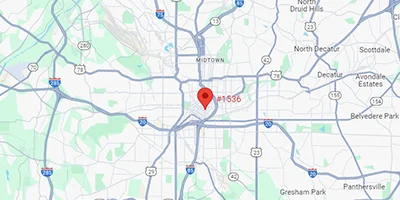 Get Directions
Spaulding Injury Law:
Alpharetta
Personal Injury & Car Accident Lawyer
44 Milton Ave #132
Alpharetta, GA 30009
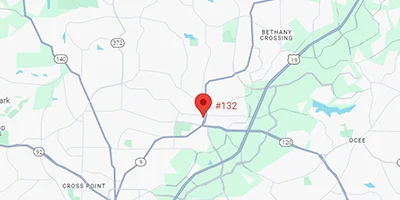 Get Directions
Spaulding Injury Law:
Cumming
Personal Injury & Car Accident Lawyer
5860 Bond St
Cumming, GA 30040
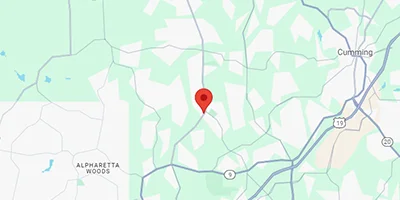 Get Directions
Spaulding Injury Law:
Lawrenceville
Personal Injury & Car Accident Lawyer
223 Scenic Hwy S #202
Lawrenceville, GA 30046
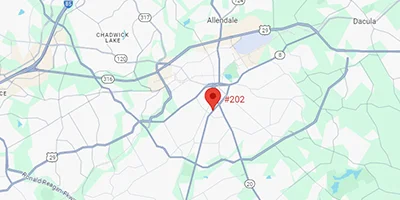 Get Directions