
What to do if someone hits your car and drives off?
Imagine you’re walking back to your car after shopping, and you see a big dent that wasn’t there before. Or maybe you’re driving, and suddenly another car hits you and speeds away. These situations are called “hit and run” accidents, and they can be really scary and confusing.
An Atlanta car accident attorney will help you pursue a hit and run case, gather necessary evidence, work with insurance companies, and ensure you receive the compensation you deserve.
Is it legal to leave the scene of the accident?
First, let’s be clear – leaving the scene of an accident is not acceptable. In fact, it’s against the law in Georgia and every other state.
What does the law say?
- If you’re in an accident, you have to stop.
- Check if anyone is hurt. If so, help them or call for help.
- Give the other driver your name, address, and insurance information, and also get their information.
- Call the police if someone is hurt or there’s a lot of damage.
Leaving the scene of an accident can lead to severe consequences, including fines, license suspension, or jail time, especially if someone was injured.
People may flee out of fear, lack of insurance, or intoxication, but it’s always illegal.
What can I do if someone hits me and drives off?
If you’re the victim of a hit and run, it can feel really unfair. But there are things you can do to protect yourself and maybe even catch the other driver.
Here are the steps you should take:
- Stay calm and stay safe. If you’re on the road, pull over to a safe spot. Turn on your hazard lights so other cars can see you.
- Call the police right away. Even if no one is hurt, you should call the police. They’ll come to the scene and make a report. This report is really important for your insurance claim.
- Write down everything you remember. Try to remember as much as you can about the other car. What color was it? What kind of car was it? Did you see any of the license plate numbers? Even small details can help
- Look for witnesses. Did anyone else see what happened? If so, ask for their names and phone numbers. They might be able to help later.
- Take pictures. Use your phone to take pictures of the damage to your car. Also take pictures of the whole accident scene.
- Don’t chase the other driver. It might be tempting to try to catch the person who hit you, but this can be dangerous. Let the police handle it.
- Look for cameras. Were there any security cameras nearby that might have caught the accident? Tell the police about them.
- Call your insurance company. Let them know what happened as soon as you can. They’ll tell you what to do next.
- Get medical help if you need it. Sometimes you might not feel hurt right away, but injuries can show up later. If you feel any pain, see a doctor.
- Keep a record. Save all papers related to the accident such as the police report, medical bills, and any repair estimates for your car.
Will my insurance cover me?
After a hit and run, you might be worried about how you’ll pay for the damage to your car or your medical bills. The good news is that your own insurance might help, even if you can’t find the other driver.
Some auto insurance policies that can help include:
- Uninsured Motorist Coverage can help if you’re hit by someone who doesn’t have insurance. In a hit and run, the other driver is treated as if they don’t have insurance.
This coverage can pay for:
- Damage to your car
- Your medical bills
- Lost wages if you can’t work because of your injuries
- Collision Coverage, which pays for damage to your car, no matter who caused the accident. You’ll probably have to pay a deductible (a set amount of money) before your insurance kicks in.
- Medical Payments Coverage, which helps pay for medical bills for you and your passengers.
It’s important to know that not everyone has all these types of insurance. Check your policy or call your insurance company to find out what coverage you have.
Also, remember that using your insurance might make your rates go up, even if the accident wasn’t your fault. But it’s usually better than paying for everything yourself.
Should I contact a car accident lawyer?
After a hit and run, talking to a lawyer is always beneficial.
Here’s why:
- Car accident laws can be complicated, and a lawyer can explain your rights and options.
- They can help with your insurance claim. Insurance companies sometimes try to pay less than they should. A lawyer can fight to make sure you get a fair amount.
- Lawyers have ways to find information that you might not know about. They might be able to track down the driver who hit you.
- There’s often a lot of paperwork after an accident. A lawyer can take care of this for you.
- If your case goes to court, a lawyer can speak for you and argue your case.
- A lawyer can help figure out how much money you should ask for, which includes things like future medical bills or lost wages that you might not think of.
- Most car accident lawyers don’t charge you unless they win money for you. This means you don’t have to worry about paying them upfront.
- Dealing with a hit and run can be really stressful. Having a lawyer handle things can help you focus on getting better.
Consult Our Atlanta Car Accident Attorneys Today
If you’ve been the victim of a hit and run in Atlanta, Spaulding Injury Law Atlanta Personal Injury & Car Accident Lawyer will help. Contact us at (770) 744-0890 or online.
We have extensive experience with Georgia law, having helped many Atlanta hit and run victims. We fight for your rights against insurance companies, gather crucial evidence such as security footage and witness statements, and work to get you the maximum compensation.
If necessary, we are prepared to take your case to trial. We treat you with respect, keep you informed, and offer free consultations without any cost or obligation.
Remember, you have two years from the accident date to file a lawsuit in Georgia. Don’t wait—call us today to secure your rights and compensation.
Compensatory vs. Punitive Damages in Legal Claims
Compensatory damages pay you back for things like medical bills and lost wages, while punitive damages are meant to punish the person who caused harm and stop them from doing it again.
An Atlanta personal injury attorney will help you understand your rights and pursue the appropriate damages for your case, whether compensatory or punitive damages in your legal claim.
What are punitive damages?
Punitive damages are a special type of money awarded in some lawsuits. They’re different from regular compensation because their main goal is to punish the person or company that did something wrong.
Here’s what you need to know about punitive damages:
- Purpose: They’re meant to punish bad behavior and discourage others from doing the same thing.
- Not always awarded: Punitive damages are only given in cases where the wrongdoing was really serious or on purpose.
- Extra money: They’re added on top of compensatory damages (which we’ll talk about next).
- Sending a message: Courts use punitive damages to show that certain actions are not okay in society.
- Can be large amounts: Sometimes punitive damages are much more than the actual damages caused.
- Not for every case: They’re more common in cases involving fraud, discrimination, or really careless actions.
- Decided by the jury: If a case goes to trial, the jury usually decides if punitive damages should be given and how much.
- Limits in some states: Some places have laws that limit how much can be given in punitive damages.
- Harder to get: You usually need to prove the person knew what they were doing was wrong or didn’t care about the harm they might cause.
- Can be reduced: Sometimes judges will lower punitive damages if they think the amount is too high.
What are compensatory damages?
Compensatory damages are the most common type of money awarded in lawsuits. They’re meant to make up for the harm or losses someone experienced because of another person’s actions such as an accident due to negligence.
Here’s what compensatory damages cover:
- Medical bills: Money to pay for doctor visits, hospital stays, medicines, and other health care costs.
- Lost wages: Payment for money you couldn’t earn because you were hurt and couldn’t work.
- Property damage: Costs to fix or replace things that were damaged, like your car in an accident.
- Pain and suffering: Money for physical pain and emotional distress caused by the incident.
- Future expenses: Compensation for ongoing medical care or lost earning potential.
- Out-of-pocket costs: Reimbursement for things you had to pay for because of the incident, like transportation to doctor appointments.
- Loss of enjoyment: Money for not being able to do activities you used to enjoy because of your injuries.
- Loss of consortium: Compensation for how your injuries affect your relationship with your spouse or family.
- Funeral expenses: In wrongful death cases, money to cover burial and funeral costs.
- Emotional distress: Payment for psychological effects like anxiety or depression caused by the incident.
The goal of compensatory damages is to put you in the same financial position you would have been in if the incident hadn’t happened.
What are the main differences between compensatory and punitive damages?
Purpose:
– Compensatory: To repay the victim for their losses
– Punitive: To punish the wrongdoer and deter similar behavior
Availability:
– Compensatory: Available in almost all personal injury cases
– Punitive: Only in cases of extreme misconduct or intentional harm
Calculation:
– Compensatory: Based on actual losses and expenses
– Punitive: Based on the severity of the wrongdoing and the defendant’s wealth
Frequency:
– Compensatory: Awarded in most successful lawsuits
– Punitive: Rare, only in a small percentage of cases
Proof required:
– Compensatory: Need to show your losses and how they were caused by the defendant
– Punitive: Must prove the defendant acted with malice or gross negligence
Limits:
– Compensatory: Generally no strict limits, but must be reasonable
– Punitive: Many states have caps on punitive damage amounts
Who receives the money:
– Compensatory: Goes to the plaintiff (person who filed the lawsuit)
– Punitive: In some states, a portion may go to the state or a victim’s fund
Tax implications:
– Compensatory: Often not taxable (except for lost wages)
– Punitive: Usually taxable as income
Insurance coverage:
– Compensatory: Often covered by insurance policies
– Punitive: Many insurance policies don’t cover punitive damages
Goal of the court:
– Compensatory: To make the victim “whole” again
– Punitive: To make an example of the wrongdoer
Can I be compensated for damages in a personal injury claim?
Yes, you can be compensated for damages in a personal injury claim. Here’s what you need to know:
- Types of compensation: You can usually claim both economic damages, like medical bills and lost wages, and non-economic damages, like pain and suffering and emotional distress.
- Proving your case: You’ll need to show that someone else was at fault for your injuries through evidence like eyewitness testimony, expert opinions, and accident reports and that you suffered losses as a result.
- Documentation is key: Keep all records related to your injury, including medical bills, receipts, proof of lost wages, and any correspondence with insurance companies to support your claim.
- Time limits: There are deadlines for filing personal injury claims, known as statutes of limitations. These time limits vary by state, so it’s crucial not to wait too long to act.
- Negotiation process: Often, your lawyer will negotiate with the other party’s insurance company to reach a settlement that covers your damages without needing to go to court.
- Court option: If a fair settlement can’t be reached, your case might go to court, where a judge or jury will decide the outcome based on the evidence presented.
- No guarantees: While many personal injury claims result in compensation, there is no guarantee you’ll win your case, as outcomes depend on various factors, including the strength of your evidence.
- Partial fault: In some states, you can still receive compensation even if you were partly at fault for the accident, though the amount may be reduced based on your level of fault.
- Multiple responsible parties: Sometimes, more than one person or company might be responsible for your injuries, which can complicate the claim and affect the total compensation you receive.
- Legal help: A personal injury lawyer can help you understand what damages you might be entitled to, guide you through the legal process, and pursue your claim to maximize your compensation.
Remember, every personal injury case is unique. The amount and type of compensation you might receive depend on the specific details of your situation. Spaulding Injury Law Atlanta Personal Injury & Car Accident Lawyers can help. Contact us at (770) 744-0890 or online.
Why Certain Pedestrians Are Most at Risk?
Pedestrian safety is a serious concern, especially for certain groups who are more vulnerable on our roads. The two groups most at risk are seniors and children.
If you have been injured, an Atlanta personal injury attorney is here to help you navigate the legal process and secure the compensation you deserve. Now, let’s find out why certain pedestrians are most at risk.
Pedestrians Most at Risk
Seniors (adults 65 and older)
Older adults face higher risks as pedestrians due to several factors, including slower walking speeds that make it harder to cross streets quickly.
Their reduced vision and hearing can affect their ability to spot and react to dangers, and more fragile bones and health conditions that can make injuries more severe.
According to the National Highway Traffic Safety Administration (NHTSA), in 2020, 17% of all pedestrian deaths were seniors, and they had the highest pedestrian fatality rate of any age group.
Children (under 15 years old)
Kids are also at high risk as pedestrians because they’re smaller and harder for drivers to see, they may act unpredictably and dart into traffic, and they might not fully understand traffic rules or danger.
NHTSA statistics show that in 2019, 17% of children under 15 killed in traffic crashes were pedestrians, and nearly one-fifth of all children between ages 5 and 9 killed in traffic crashes were pedestrians.
What factors can contribute to a pedestrian accident?
Many things can lead to pedestrian accidents. Some of the most common factors include the following:
- Distracted driving: Drivers using phones or not paying attention to the road pose a major danger to pedestrians.
- Distracted walking: Pedestrians looking at phones or not watching where they’re going can walk into dangerous situations.
- Alcohol use: Both drunk drivers and intoxicated pedestrians can cause accidents.
- Speeding: Faster cars have less time to stop and can cause more severe injuries due to poor visibility.
- Bad weather, darkness, or poorly lit areas make it hard for drivers to see pedestrians.
- Failure to yield: Drivers not giving right of way to pedestrians at crosswalks or when turning.
- Jaywalking: Pedestrians crossing outside of designated crosswalks or against signals.
- Left turns: Drivers making left turns may not see pedestrians crossing the street they’re turning onto.
- Backing up vehicles: Cars backing out of driveways or parking spots might not see pedestrians behind them.
- Road design: Poorly designed intersections or lack of sidewalks can put pedestrians at risk.
What can drivers do to prevent accidents with pedestrians?
Drivers play a big role in keeping pedestrians safe, and there are some things they should do to keep them safe.
Some of these include the following:
- Always be alert and pay attention to your surroundings, especially in areas with lots of foot traffic. Drive slower in residential areas and near schools or parks where kids might be playing. Always yield to people in crosswalks, even if they’re not at a signal.
- Be extra careful at night by using your headlights and watching closely for people walking in dark clothes. Don’t pass stopped vehicles because they might be stopped for a pedestrian you can’t see. Always check behind your car before reversing, especially in parking lots.
- Avoid distractions by putting away your phone and focusing on driving. Follow speed limits, as they are set for safety reasons, especially in areas with lots of pedestrians. Be patient and give elderly or disabled pedestrians extra time to cross the street.
- Use extra caution in bad weather. Rain or snow can make it harder to see pedestrians and stop quickly. By following these safety tips, you can help protect yourself and others on the road.
What should I do after a pedestrian accident?
If you’re involved in or witness a pedestrian accident, here are the steps you should take:
- Stop immediately and call 911: Ensure you get medical help for anyone who’s hurt. A quick response can significantly improve outcomes for injured pedestrians. Remember, some injuries may not be immediately apparent and could become severe later on.
- Don’t leave the scene: Staying at the scene is required by law and ensures that everyone remains safe until help arrives. Leaving the scene can result in severe legal consequences and hinder the necessary assistance for those injured. Your presence is crucial for providing information to emergency responders and law enforcement.
- Check on the pedestrian: Offer help if you can, but don’t move them unless they’re in immediate danger. Moving someone with serious injuries could make things worse.
- Move to a safe area: If possible, move to the side of the road to avoid causing additional accidents. Ensure it’s safe to move vehicles before doing so, as this can help prevent further incidents and allow traffic to flow smoothly. Always prioritize safety for yourself and others when moving to a secure location.
- Gather information: Exchange contact and insurance information with everyone involved. This will be necessary for insurance claims and any legal proceedings.
- Talk to witnesses: Get contact information from anyone who saw what happened. Their accounts can be crucial for understanding how the accident occurred. Give them your contact too.
- Take photos: If it’s safe, take pictures of the accident scene, vehicles involved, and any injuries. These can serve as important evidence later.
- Don’t admit fault: Even if you think you caused the accident, don’t say so. Admitting fault can affect the legal investigation and your liability.
- File a police report: Give the officers an honest account of what happened. A police report will be a key document in any legal or insurance-related follow-up.
- Seek medical attention: Even if you feel fine, some injuries might not show up right away. Getting a medical check-up ensures that all injuries are documented and treated promptly.
How can a pedestrian accident lawyer help me?
A pedestrian accident lawyer can greatly assist if you’re hurt in such an accident. Spaulding Injury Law Atlanta Personal Injury & Car Accident Lawyer will help. Contact us at (770) 744-0890 or online.
We will explain your rights, investigate the accident, and deal with insurance companies to secure fair compensation. We’ll also calculate damages, handle legal paperwork, represent you in court, and work to prove fault. By building a strong case, we will maximize your compensation and provide peace of mind.
All About Car Accidents and Face Injuries
Facial injuries are a typical example of physical harm sustained by victims of car accidents. If you’re involved in a severe car accident, you face a risk of severe facial injury even when buckled up and the car is equipped with airbags.
In addition to short-term effects like missing work, some facial injuries cause permanent disfigurement. As a result, your self-esteem can take a dive, affecting your relationships and enjoyment of life.
Car accident victims who sustain facial injuries deserve compensation for the losses they endure because of the physical harm.
Consult a trusted Atlanta car accident attorney to learn more about your rights and ways to pursue compensation for car accidents and face injuries.
Common Types of Face Injuries
Here are the common types of facial injuries sustained by victims of car accidents:
Facial Fractures
A facial fracture is a form of broken bones in your face. Facial fractures can affect any part of the face and distort its appearance and function. In other instances, a severe facial fracture can cause leakage of cerebral fluid that surrounds the brain.
Here are a few examples of facial fractures:
- Broken Jaw: A fractured jaw hinders one’s ability to eat, chew, swallow, or speak.
- LeFort I Fracture: It is a broken jaw in the middle face that occurs in a horizontal line above the teeth and beneath the face
- LeFort II Fracture: This is an additional example of a fracture in the middle face that can affect one or both sides of the face. The cracks in the facial bones extend from the lower edge of the eye socket along the bridge of the nose downward through the cheekbone into the upper jaw behind the upper teeth.
- Broken eye sockets may include an orbital floor fracture or an orbital floor fracture.
Symptoms of Facial Fracture
The symptom of a facial fracture depends on the location of the injury.
General symptoms of facial fractures include:
- Swelling
- Bruising
- Facial numbness
- Pain or tenderness
- Disfigurement
Symptoms of a broken bone include:
- Nosebleeds
- Problems breathing through your nose
If you have a fractured eye socket, you’re likely to experience:
- Double vision
- Blurred vision
- Sunken eyeballs
- Difficulty moving your eyes back, forth, up, and down
Facial Soft Injuries
Facial soft injuries are not as severe as facial fractures.
Here are typical examples of facial soft injuries sustained by victims of car accidents:
- Eye injuries
- Scrapes and cuts to the face
- Torn scalp or skin that enhances the risk of bleeding, scarring, and infection.
- Facial burns due to exposure to heat, cold, or chemicals
- Tongue laceration is likely to impair a person’s ability to speak, eat, or swallow
- Damage to salivary glands: Over 100 glands in the mouth are responsible for keeping it moist while eating and speaking.
Dislocated Jaw
A dislocated jaw occurs when the lower end moves out of its normal position. It may heal but cause other problems in the future. The lower part of the jaw is connected by joints in front of each other, called temporomandibular joints (TMJ).
A dislocated jaw occurs when the lower section of the jaw is pulled from one or both of the TMJs.
The main symptoms of a dislocated jaw include:
- Drooling
- Difficulty speaking
- Inability to move the jaw or close the mouth properly
- Your teeth fail to line up properly
Is it Possible to Sue Someone for a Facial Injury?
You have the right to compensation if you sustain an injury in a car accident caused by someone else’s fault. You must file an insurance claim against the at-fault party’s insurer.
In most cases, the at-fault party’s insurer may table a low settlement offer that barely covers your losses. In other instances, the at-fault party may blame you for the accident, affecting your ability to obtain compensation.
You can file a personal injury lawsuit when the above circumstances arise. A personal injury lawsuit is an opportunity to solve the dispute in a court of law. A judge or jury can issue an order that compels the at-fault party to compensate you.
You must prove that the at-fault party’s negligent actions contributed to the car accident and the subsequent facial injuries. Therefore, the chances of succeeding in a lawsuit lie on the strength of your evidence.
An experienced car accident attorney can advise on an ideal strategy that can yield a positive outcome in the lawsuit.
What Kind of Compensation Can You Get from a Face Injury Caused by a Car Accident?
In a facial injury claim, a victim can obtain compensation to recover losses and injuries suffered because of the defendant’s wrongful conduct or negligence.
A facial injury victim can the following damages:
- Economic damages
- Non-economic damages
- Punitive damages
Economic Damages
Economic damages represent the victim’s financial damages related to the car accident, including anticipated losses.
Examples of economic damages include:
- Medical expenses
- Lost wages and benefits
- Out-of-pocket expenses
Non-Economic Damages
Non-economic damages compensate a facial injury victim for the intangible losses resulting from the accident. You can obtain different types of non-economic damages depending on the facts and circumstances of your injury.
You may be entitled to economic damages if the events leading to the accident were traumatic. Finding out that you’ve suffered a permanent face disfigurement can trigger mental health issues like depression.
Here is a list of other non-economic damages you can obtain:
- Pain and suffering
- Loss of consortium
- Loss of enjoyment of life
- Permanent impairment
Punitive Damages
Punitive damages, also called exemplary damages, are awarded to deter defendants and others from engaging in similar conduct that led to the accident.
Get Legal Help From a Trusted Atlanta Car Accident Attorney
You deserve compensation for your losses if you’ve sustained a facial injury in a car accident caused by the actions of a negligent party. An experienced car accident attorney can demonstrate the extent of an injury and protect your right to compensation.
Spaulding Injury Law has decades of experience and an impressive success rate representing injured victims. Contact us online or at (770) 744-0890 for a free case evaluation.
It can take several months to over two years for an injured victim to receive a settlement amount following surgery. The waiting period is unique in each case and largely depends on several factors, such as the length of the treatment plan.
It might take longer if you underwent surgery early in your treatment plan for the injury. Since medical expenses form a substantial share of your settlement proceeds, you should complete your treatment plan before initiating negotiations.
Legal professionals encourage injured victims to obtain maximum medical improvement to understand present and future medical expenses.
You should consult a trusted personal injury lawyer in Atlanta who can speed up the process and protect your interests during negotiations. Let’s explore all the factors that can help to get a settlement after surgery.
How Long Does a Personal Injury Lawsuit Take?
The following are the critical steps in a personal injury lawsuit:
- Step 1: Hire a personal injury attorney within two weeks of the accident.
- Step 2: The attorney conducts investigations, which can take a few weeks depending on the case and its complexity.
- Step 3: Settlement Demand. The attorney will draft and send a settlement demand after completing investigations.
- Step 4: File a Personal Injury Lawsuit. The attorney files a lawsuit if the defendant doesn’t respond within the timelines of the demand letter, which is primarily a month.
- Step 5: Pre-trial. This involves the discovery phase, during which both parties examine and exchange documents. This may take several weeks to complete.
- Step 6: Settlement Negotiations. Throughout the case, both parties have opportunities to attempt negotiations and settle the lawsuit.
- Step 7: Trial. Only a tiny percentage of cases are decided during trial. Each party’s attorney presents their arguments in court, and the jury determines liability and damages.
How Are Settlements Determined?
A personal injury settlement compensates the accident victim for losses they suffer due to the injury. They are, therefore, entitled to various damages, including medical expenses, loss of income, pain and suffering, emotional anguish, loss of consortium, and out-of-pocket costs.
If you’ve sustained an injury due to someone else’s negligence, an estimate of the settlement amount can help you make an informed choice. Nonetheless, there is no average settlement amount since the outcome of each case depends on its facts and circumstances.
The following factors may impact the value of your settlement value:
- The severity of the injury
- Length of recovery
- Long-term impact on your life
- Insurance coverage limits
- Contribution of liability or negligence
Working with an experienced attorney can tilt the justice scale in your favor and maximize your settlement amount. Your attorney’s experience can help you make smart choices to maximize your injury settlement at each stage.
If I’m in Surgery for an Accident, When Will I Get My Settlement Paid?
If you’re in surgery after an accident, it means you sustained a relatively severe injury. Many injured victims require weeks, several months, and up to a year to recover from a complex surgery.
Your attorney may advise you against filing an insurance claim while recovering from surgery. Instead, they may encourage you to file a claim after attaining maximum medical improvement (MMI).
Your condition is stable after maximum medical improvement and doesn’t require further medical treatment. Your primary treating physician determines whether you have attained MMI, which allows you to pursue compensation for your injuries.
Your doctor may find that you’re at risk of developing additional medical issues. After attaining MMI, your doctor can score your disability ratings, vital in determining work restrictions and capabilities.
Therefore, being in surgery only affects the timing of your settlement but doesn’t take away your right to compensation.
What Can Help My Personal Injury Claim?
Although factors like surgery may affect the time it takes to receive a personal injury settlement, some aspects are within your control.
Here are a few strategies to speed up the claim process and maximize the settlement process:
Gather Evidence
You have a better chance of obtaining maximum value for your losses if you have evidence demonstrating the extent of your injury. You also gain a strong position during negotiations if you have evidence that supports your arguments.
For instance, you should submit medical records and update them during treatment. Thorough and detailed records increase the value of compensation when documenting the injury and the accident.
Work With an Experienced Personal Injury Attorney
If you’re pursuing compensation for the first time, you may not understand the proper steps to protect your rights. An experienced injury attorney deeply understands personal injury laws and the defendant’s possible tactics.
An attorney will take charge of the lengthy and complex negotiations. More importantly, they will spot opportunities for settlement negotiations, evaluate proposals, and negotiate for a fair deal that matches your losses.
Understand the Value of Your Claim
Understanding the extent of your losses creates a structure for your interactions with insurance providers. The insurer may quickly offer a settlement offer immediately after receiving your personal injury claim.
You’re likely to accept such low offers if you don’t understand the value of your losses.
You should, therefore, work with an experienced attorney to check if your case deserves additional damages such as lost income, medical expenses, pain and suffering, loss of companionship, emotional anguish, and loss of enjoyment of life.
Consider Alternative Dispute Resolution Methods
If you’re looking for a speedy resolution to your case, consider various out-of-court settlement methods like mediation or arbitration. You can involve a mediator or arbitrator to strike a compromise if you can’t agree on a settlement with the at-fault party’s insurer.
Although alternative dispute resolution methods are faster, discuss these options with your lawyer to make the right decision.
Get Legal Assistance From an Experienced Personal Injury Attorney
Your chances of full recovery from an injury depend on your efforts to obtain a fair settlement value for your losses. You must, therefore, begin settlement negotiations at the right time for a positive outcome.
An experienced attorney from Spaulding Injury Law: Personal Injury & Car Accident Lawyer will offer legal advice throughout the process to help you make informed choices. Contact us online or at (770) 744-0890 for a free case evaluation.
Why Do I Have to Go to Court After a Car Accident?
You may be entitled to compensation after sustaining an injury in a car crash caused by someone else’s fault. The process of obtaining damages includes filing an insurance claim or lawsuit against the at-fault party.
Most injured victims obtain compensation from the insurer of the at-fault party. However, some victims must litigate their claims for a fair settlement value for their losses. You may rely on a jury’s verdict or a judgment if both parties shift blame on the liable party.
While going to court may seem time-consuming and expensive, it may be the ideal solution to protect your rights, however, let’s dive into the possibility of going to court after a car accident.
Consider consulting a trusted car accident attorney in Atlanta, GA, about the best strategy to obtain a fair settlement value for your losses.
How Does a Car Accident Claim Work?
A car accident claim is an official request by the policyholder to the insurance company for compensation for damages and losses incurred. You can initiate a claim by calling the company or filing a form on their website to report an accident.
Then, the insurance company assigns someone to your case, a representative called an insurance adjuster. When an insurance adjuster contacts you, expect a few questions regarding how the accident occurred.
Here are pieces of information that an insurance adjuster may request from you:
- Images of the accident scene
- A copy of the police accident report
- Copies of your medical bills and records
- An insurance adjuster may want to look at the damages sustained by the vehicle.
Give the adjuster a complete account of your injuries and damage to your vehicle or someone’s property. You should also familiarize yourself with the types of losses you should claim so you don’t leave anything out.
The insurance adjuster may contact other drivers and witnesses to understand the version of their case. When an insurance adjuster speaks to other drivers and witnesses, they attempt to establish any deviation from your version of events.
An insurance adjuster might ask you to attend a medical examination with a doctor of their choice for a comprehensive analysis of your injury. Alternatively, they may request your medical records for further insights about your injuries.
What Are the Usual Steps of a Car Accident Before Going to Court?
Here are steps you can follow to increase your chances of a positive outcome in court:
Gather Information
If you’re involved in an accident due to someone else’s fault, you want to gather evidence that gives insights about the crash. Information about the accident’s occurrence provides an objective basis for holding the liable party accountable.
Immediately after the crash, take a few steps to collect the following pieces of information:
- Names and contact details of passengers and bystanders who witnessed the accident
- Contact details of the responding law enforcement officer
- A copy of the police accident report from the responding officer, if available
- Take images of the vehicle damage and accident scene
- Name, phone number, and address details of the other driver
- Driver’s license and the license plate number of the other driver
Collect as much information as possible immediately after the accident because most evidence disappears.
Seek Medical Attention
Some accident victims skip seeking medical attention depending on the nature of a car accident. Nonetheless, symptoms of particular injuries are not immediately apparent after an accident.
Therefore, car accident victims should consider a comprehensive evaluation from a health provider who can rule out any possible complications. Examination by a healthcare provider documents the injuries, creating a record you can rely upon to support your compensation claim.
Contact Your Insurance Company
Regardless of the party who caters to the damages after the crash, you want to inform your insurance company about the collision.
Even if the damages are minor, informing your insurer about the collision provides a few benefits, including:
- Minor injuries often become complications, and the person who promised to pay may lack the funds to cater to your losses.
- Your insurer may cater for accident-related losses if the at-fault party has insufficient or no insurance coverage.
Get in Touch With an Experienced Atlanta Car Accident Attorney
A car accident attorney can provide legal insights regarding your right to compensation. In addition, an attorney can communicate with an insurance provider on your behalf.
Before heading to court, an attorney can evaluate the merits of all offers made by an insurance provider. More importantly, they can demonstrate the extent of your injuries and negotiate for a fair settlement offer that matches your injury-related losses.
In What Cases Is it Common to Go to Trial?
When an injured victim takes a car accident claim to court, they can’t find a solution with an insurance company.
Examples of car accident claims mostly solved using trial include
- Where both parties can’t agree on the liable party
- An insurer tables a low-ball settlement offer for a severely injured victim
- There are no eyewitnesses to verify the accident with the insurer disputing your version of events
Tips to Avoid Going to Court After a Car Crash
You can improve your chances of settling before going to court by:
- Informing the police about the accident if there is death, bodily injury, or substantial property damage
- Seeing a doctor as soon as possible after sustaining an injury
- Keeping track of all your accident-related losses, including economic and non-economic damages
- Getting in touch with an experienced car accident attorney immediately after the accident
- Letting the adjuster be aware of the extent of your injury
- Keeping a day-to-day diary of your injuries
- Get images of all elements of your case
- Do not admit liability
- Conduct some research, so you’re aware of all the damages you’ve sustained
Get Legal Advice from an Experienced Car Accident Attorney in Atlanta, GA
Car accident cases can be complicated, and some injured victims find themselves facing a courtroom hearing. You need the right legal representation from start to finish.
An experienced attorney from Spaulding Injury Law: Alpharetta Personal Injury & Car Accident Lawyer will fight for fair compensation during insurance negotiations or litigation. Contact us online or at (770) 744-0890 for a free case evaluation.
Although motorcycles make up 3% of all registered vehicles, motorcyclists accounted for 14.6% of all traffic fatalities and 3.5% of all injuries in 2022. Motorcycles are less stable and visible, exposing riders to a high risk of collision.
When riders crash, they lack the protection of an enclosed vehicle, so they’re more likely to be injured or killed. Sharing the road with motorcyclists often increases the likelihood of car crashes, but that doesn’t always mean the motorcyclist is to blame.
Never wait to speak to a trusted Atlanta motorcycle accident attorney if you’ve sustained an injury in an accident caused by someone else’s negligence. You might have important legal rights, and Spaulding Injury Law can help.
Is It Dangerous to Drive With Motorcycles on the Side of Your Vehicle?
Motorcyclists often practice lane-splitting, a driving technique that allows riders to move through slow-moving or stopped cars. Although lane splitting may save valuable time for riders and drivers, it usually presents unique dangers.
Here are the common risks when you drive side to side with a motorcycle rider:
- Limited Visibility: A motorcyclist driving too closely to you can obscure your rear mirror, affecting your ability to change lanes safely or make turns.
- Reduced Reaction Time: A motorist riding between lanes has less time to maneuver hazards and reduced reaction time. If a vehicle makes a sudden movement, like a lane change, it often leads to a collision.
- Caught Between Hazards: A motorcycle rider may be exposed to a caught-in-between accident if a vehicle approaches their path while navigating a hazard.
Main Reasons Why Crashes Between Motorcyclists and Cars Are Common
Distracted Driving
Distracted driving is a leading cause of accidents between motorcyclists and cars. In 2022, distracted driving claimed the lives of 3,308 people. Anything that takes away your concentration from the road can distract you.
Familiar sources of distractions include talking on the phone, texting while driving, tuning the stereo system, navigating the GPS, grooming, and interacting with your kids or pets onboard the vehicle.
Here’s why distracted driving often causes crashes between cars and motorcycles:
- A reduced reaction time
- It affects your ability to maintain constant speed, making it difficult to slow down or speed up at appropriate times
- Distracted driving can obscure your view, making it difficult to spot other road users like motorcycles or bicycles
- Distractions can make you miss traffic light changes, increasing the likelihood of accidents
Drivers Failing to Check Their Blind Spots
Drivers have a responsibility to check their blind spots when making turns or making lane changes. For enhanced safety, drivers should continuously scan their field of vision and be aware of vehicles within their vicinity.
Motorcyclists often operate in the blind spot of a vehicle when preparing to make lane changes or overtaking.
Here are the risks associated with blindspot driving:
- If a driver is surprised by a driver in the blind spot, they may overreact and cause an accident
- A driver can hardly spot a rider moving in a blind spot
- Drivers often take their eyes off the vehicle to check the size of the blind spot
Speeding
In 2022, speed contributed to 29% of all traffic fatalities. Speeding also involves driving too fast for road conditions such as snow, rain, or a poorly lit area.
Here’s why speeding increases the number of crashes between cars and motorcycles:
- Speeding increases the potential for loss of vehicle control
- Speeding increases the severity of injuries and vehicle damage
- There is an increased stopping distance after a vehicle perceives danger
- Speeding also reduces the reaction time a driver has to navigate road hazards
Reckless Driving
Reckless driving is a common cause of fatal accidents involving cars and motorcycles. When drivers behave recklessly, they display a wanton disregard for the safety of others. They may intentionally break traffic laws or rules without regard for the dangerous effect on other road users.
Here are a few reckless driving habits that often lead to crashes:
- Running red lights and stop signs
- Racing other vehicles
- Driving under the influence of alcohol or other substances
- Intentionally failing to yield to a right of way to other vehicles, including riders
- Tailgating
You may be entitled to damages if you get into an accident because of the negligent action of a reckless driver. An experienced motorcycle accident attorney in Atlanta can pursue compensation from the at-fault party on your behalf.
Tips to Prevent Accidents When Sharing Roads With Motorcyclists
- Slow Down: The faster you move, the harder it is to navigate and avoid motorcycle accidents. An extra second may be all you need to avoid hitting a motorcycle from behind.
- Don’t Drink and Drive: Alcohol impairs your reaction time and judgment, increasing the likelihood of collisions with motorcycles.
- Be Aware of Your Surroundings: Pay attention to the road and what is around you, including cars, motorcycles, road hazards, and pedestrians.
- Rain: Exercise caution when it rains to navigate the wet and slippery conditions on the road.
- Be Aware of Motorcycles at Intersections: Vehicles often rear-end motorcycles at intersections, mainly when they give the right of way to vehicles at the throughway.
- Avoid Distractions: Avoid everyday activities like phone conversations that distract your attention from the road.
- Check Blind Spots: It is difficult to spot a motorcycle riding in a blind spot. You can promote safety by checking before changing lanes or making turns.
- Use Indicators: Communicate your intentions with turn lights to give motorcyclists and other road users ample time to react.
Get Legal Assistance from an Experienced Motorcycle Accident Attorney
Suppose you’ve sustained a broken arm in a motorcycle accident caused by a vehicle swerving in and out of lanes. In that case, your quality of life will likely worsen due to hefty medical bills, reduced productivity, and out-of-pocket expenses.
Even so, a highly skilled and experienced attorney can prepare a solid case to hold the at-fault party accountable. Now that you know what makes sharing the road with motorcyclists dangerous, don’t hesitate to reach out.
Spaulding Injury Law: Atlanta Personal Injury & Car Accident Lawyer is a team of legal professionals with more than 25 years of combined experience. Contact us online or at (770) 744-0890 for a free consultation.
If your child was hurt while driving your car, they may be entitled to damages, depending on the circumstances of the incident. If someone else caused the crash, their insurance should be responsible for your child’s injuries and losses.
Usually, when someone is driving your car and there’s an accident, the responsibility and the liability lie on the person who caused the accident. However, your insurance provider can provide financial protection, since some drivers operate without minimum coverage.
If your son has sustained injuries in a car accident, an Atlanta car accident attorney can file a claim or lawsuit to recover damages for the injury.
What Happens if Someone Else Drives My Car and Gets in an Accident?
If your son was driving your car and caused a crash, two factors determine whether you’ll be liable for injury-related losses:
- The terms of your auto insurance policy
- Whether they drove your car with your permission
Usually, insurance companies provide coverage to the vehicle, not the driver. Consequently, the liability coverage extends to another person driving the car beside you. If in doubt, always check the terms and conditions of your cover.
Sometimes, there are exceptions to liability coverage when someone else is driving your car. For instance, an insurance provider may reject paying for accident-related losses if the other driver operates your vehicle without permission.
Are Parents Liable if Their Child Causes the Accident?
A young driver’s inexperience, distracted driving habits, and excitement on roads make them vulnerable to car accidents. As such, parents wonder whether they may be liable for accident-related losses in incidents involving their children.
Georgia law doesn’t hold parents accountable for damages in car accidents caused by their children. However, there are exceptions you should be aware of, including:
- Age: A parent may be liable for injury-related losses if they allow a child below 16 years to drive their vehicle, resulting in an accident. The responsibility arises because of negligent entrustment, which is letting someone drive your vehicle— who, due to their physical or mental impairment—should not.
- Restricted or Suspended License: Parents who allow a teen driver with a restricted or suspended license to use the family vehicle may be liable for accident-related losses.
- Defective Vehicle: A parent may also be liable for accident-related losses if they knew about the vehicle defect but allowed the teen to operate the vehicle leading to the accident.
Does it Matter if My Child Has Permission to Use the Car?
If you permit a driver to use your vehicle, your insurance coverage will extend to the driver, a doctrine called ‘’permissive use’’. If your child causes an accident that hurts someone else, your liability coverage steps in as the primary coverage.
However, if the child didn’t qualify as a driver either because of age or license restriction, the parent may be guilty of negligent entrustment. In that case, the parent would be liable for injury-related losses, irrespective of whether the child had permissive use.
What Damages Can Be Recovered in a Car Accident?
There are various types of damages you can recover in a car accident depending on the circumstances of your case and the losses you’ve sustained. The level of compensation also depends on the other party’s level of negligence.
Here is a highlight of damages you can sustain in a car accident:
- Medical damages
- Lost wages
- Out-of-pocket expense
- Pain and suffering
- Loss of consortium
- Loss of enjoyment of life
- Emotional anguish
- Permanent disability or disfigurement
If unsure of your rights, an Atlanta car accident attorney can offer legal advice on the applicable damages you’re entitled to following a crash. More importantly, an attorney will compile various pieces of evidence for a fair settlement value that covers your losses.
Whose Insurance Will Apply?
Under Georgia laws, the person who causes an accident is responsible for accident-related losses, including property damage and bodily injury.
If your son drives your car and someone else causes an accident, then the at-fault driver. On the other hand, if the son is at fault for the accident, your insurance provider will cover accident-related losses.
Here is a crucial scenario to consider:
The Person Driving Your Car Has Their Insurance Policy
If your son has an auto insurance plan, their coverage may be secondary to your insurance coverage.
Suppose someone else driving your vehicle causes an accident with bodily injury and property damage. In that case, your insurance covers the damages because the other person was at fault.
However, a problem can arise if your policy only covers the damages to a certain extent. If the value of damages is beyond your coverage limits, then your son’s insurance may cover what is left.
Will My Insurance Go Up After an Accident?
Insurance providers consider your driving history when determining the value of your insurance policy. The more driving risk you’ve demonstrated in the past, the more you might have to pay for your insurance premium.
It, therefore, makes sense when an insurance provider evaluates your insurance premium after a claim or a car accident where you’re primarily at fault.
Will the Insurance Go Up If I’m Not At-Fault for the Accident
Your insurance premium may still go up after a not-fault accident if you file a claim against your provider.
While the insurance rate hike might be less compared to an at-fault accident, it is common practice among insurers to increase rates if you’ve made more than one claim within a set period—mostly three to five years.
Simply put, anytime you file a claim, and your insurer provider pays for the losses, you’ll most likely see a premium hike.
Get in Touch With an Experienced Car Accident Attorney for a Free Case Evaluation
Your child deserves compensation if they sustained injuries in an accident caused by someone else’s negligence. You need an experienced car accident attorney from Spaulding Injury Law to advocate for your and your child’s rights.
Contact us online or at (770) 744-0890 for a free case evaluation.
What Happens If You Crash a Rental Car?
While being involved in a car accident is a stressful experience, wrecking a rental vehicle is even more complicated. First, you may be liable for accident-related losses if you violated the rental agreement. Then, you need to determine who must cover the damage to the rental car and your injuries.
The person who pays for accident-related damages depends on several factors, including who was at fault and the coverage options available to you. The other driver may pay for all your accident-related losses if their negligent actions caused the crash, including your rental car damage.
A trusted car accident attorney in Atlanta, GA, can provide legal advice on the appropriate steps to protect your rights, now let’s see what happens if you crash a rental car.
What to Do After a Car Accident on a Rental Car?
Here’s what to do after an accident with a rental.
Protect Your Safety
Try to protect your safety and that of passengers and other motorists after a car accident.
Here are a few steps to take:
- Move yourself and the vehicle to the side of the road if it’s safe to do so
- Contact 911 if someone has sustained an injury
- Contact the local police department to inform them about the accident
The most important thing after a car accident is to minimize bodily injury to yourself and other people involved.
Gather Information
If you’re involved in a crash in a rental car, you must gather evidence of how the accident occurred. Since accidents can cause severe injuries and substantial property damage, evidence provides the basis for holding the liable party accountable.
Gather the following information, which will be important later:
- Names and contact details of the responding law enforcement officer
- Names and contact details of passengers and bystanders who witnessed the crash
- Personal details of the other driver involved in the accident, including contact details, names, and addresses.
- License details and plate numbers of other drivers
- Photographs of vehicle damage and the scene of the accident
It can be difficult to obtain accident-related information after the incident, so gather as much information as possible considering your injuries.
Seek Medical Attention
Car accidents might cause injuries with symptoms not immediately apparent after the crash. For instance, concussion symptoms might be subtle and do not occur right away. However, they can last for days, weeks, or even longer.
A comprehensive medical evaluation can reveal hidden internal injuries and help you obtain prompt medical attention. Most importantly, a health provider will generate medical records you can rely on to file an insurance claim or a lawsuit.
Contact Your Insurance Provider
Regardless of the party responsible for accident-related damages, notify your insurer as soon as possible. Most insurers offer a renter’s insurance plan, which can offer crucial protection to help cover accident-related damages.
Get in Touch With an Atlanta Car Accident Attorney
If you’re in a car crash, consult an experienced car accident attorney right away. First, an attorney will give you insights regarding your rights as a victim of a car accident. More importantly, an attorney will create a strategy while communicating with the insurer and other parties involved in the accident.
An attorney will also help you decide whether your case is worth pursuing. Depending on the nature of the accident, some cases do not deserve compensation. Through an initial free consultation, an attorney will evaluate the evidence and provide guidance on how to protect your rights.
Can the Car Rental Company Help Me?
Generally, the rental company is not liable for the negligent actions of the renter. In some states, the owner is automatically liable for damages involving the vehicle, regardless of the person driving the vehicle.
The Graves Amendment states that rental car companies cannot be liable for the damages caused by the renter, regardless of the applicable state law. The rental company may be liable if it engaged in negligence or wrongdoing that caused the accident.
Suppose the rental company was aware of a mechanical issue and did nothing to fix it. In that case, they may be liable for accident-related losses if the mechanical issue contributed to the car crash.
In Case of a Crash, Whose Insurance Will Cover the Damages?
In most cases, the rental car agreement has a clause that stipulates the renter’s responsibility in case of an accident. Some personal auto insurance offers car rental coverage, and others do not.
When involved in an accident with a rental car, always contact your insurance provider because it might pay, up to the policy limits, subject to the deductible.
Alternatively, you may benefit from secondary coverage if you purchase supplemental car insurance through the rental company. Navigating the liable party for accident-related damages is complex, however, speaking to a car accident attorney may help.
What if I Rent a Car With a Credit Card?
If you paid for your rental car through a credit card, you may benefit from some form of coverage. The coverage that most cards offer typically covers damage to or theft of rental cars.
However, it kicks in as a form of secondary coverage to your auto insurance. The credit card coverage is not uniform in all areas because it may exclude certain countries from coverage.
What Things Should I Consider When Renting a Car?
While renting a car brings convenience to your transportation plans, hidden costs could hurt your finances. Here are a few things you should know:
- Check the available car insurance before signing the renter’s agreement
- If you have coverage from different sources, check which insurer pays first
- Check the coverage offered by your credit card
- Credit card insurance may not cover everything
- Check the length of your trip
- Set a budget, including the cost of procuring supplemental insurance coverage
Get Legal Help From an Experienced Car Accident Attorney in Atlanta, GA
If you sustained an injury in a car rental, another driver might be liable for your vehicle damage and injury-related losses. Although dealing with a car rental is complicated, an experienced car accident attorney can navigate the legal issues and protect your rights.
Spaulding Injury Law has legal professionals with an over 99 percent success rate, which gives us confidence in our ability to protect your rights.
Contact us online or at (770) 744-0890 for a free case evaluation.
At What Age Can a Child Ride on a Motorcycle?
Georgia has no regulations regarding the appropriate age for a child to ride on a motorcycle. However, motorcyclists should consider other restrictions and concerns when taking a child for a ride.
For example, there are helmet requirements for younger riders in Georgia. Further, a child might be more vulnerable to injury in the event of a crash. If someone else was to blame, personal injury law in Georgia allows you to seek compensation for your child’s injuries from the insurer of the at-fault party. A trusted motorcycle accident attorney from Spaulding Injury Law: Atlanta Personal Injury & Car Accident Lawyer in Atlanta can provide legal support when pursuing compensation.
Are Children Allowed to Ride a Motorcycle?
There is no age restriction for a child to ride on the back of a motorcycle in Georgia. However, the child must wear a helmet in compliance with Georgia motorcycle helmet laws. In addition, any rider on a bike must have footrests. Therefore, a child’s feet must be able to reach the motorcycle’s footrest. Depending on the child’s height and footrest position, this requirement could be difficult to meet with a small child.
Motorcycles must also have a passenger seat if carrying someone. Passengers should also sit behind the driver. You cannot place a child in front of you when the motorcycle is in motion.
At What Age Can a Child Ride on a Motorcycle?
Assuming you have safety equipment required to carry passengers, Georgia places minimum restrictions on who you can carry on a motorcycle.
A few rules that might apply to children include:
Size of the Child
Georgia law stipulates that anyone riding a motorcycle must sit in a passenger seat. This means that your child must be large enough to straddle the seat.
Strength
Your child must be large and strong enough to ride without you holding them for support. They must also be strong enough to ride behind you on the seat. Georgia law restricts riders from carrying anything that requires them to take their hands off the handlebars.
Motorcycle law restricts passengers from doing anything that might interfere with their view or ability to control the vehicle.
Common Injuries from a Motorcycle Accident
Accidents can happen when you have a child passenger. The following are the common injuries in a motorcycle accident:
- Spinal Cord Injuries: A spinal cord injury is damage to the bundle of nerves or nerve fibers that sends or receives signals from the brain. In a motorcycle accident, a rider can suffer a sudden or traumatic blow to the spine, which can fracture, dislocate, or crush one or more vertebrae.
- Bone Fractures: Bone fractures occur as a result of traumas such as falls or motor accidents. Symptoms include pain, swelling, tenderness, deformity, and the inability to move a body part like you usually do.
- Internal Injuries: The blunt force of motorcycle accidents can cause damage to internal organs, which may trigger internal bleeding. For instance, a shattered glass penetrating the skin can cause internal injuries. The symptoms of an internal injury are not immediately apparent, highlighting the need for a comprehensive medical examination.
- Burns: A rider can sustain severe burns if the motorcycle fuel tank spills and ignites during a crash. If untreated, burn injuries can result in bacteria infections, breathing problems, and scars caused by an overgrowth of scar tissue.
- Road Rash: When a rider makes contact with the road surface, they often suffer ‘severe’ skin abrasions called road rash. Road rash can cause severe infections or nerve damage.
What Precautions Should You Consider to Ride a Motorcycle?
Although motorcycles comprise 3% of registered vehicles and 0.7% of miles traveled in the United States, riders were involved in 14.6% of all traffic fatalities in 2022. When a motorcycle crashes, its riders lack the protection of an enclosed vehicle and are more likely to sustain severe or fatal injury.
However, riders can minimize motorcycle accidents by exercising caution on the road.
Here are a few safety tips to keep riders safe on the road:
Wear a Helmet
Head injuries are the leading cause of death in motorcycle accidents. Studies have shown that a helmet reduces the risk of severe brain injury and death after a fall or collision.
Just as important as wearing a helmet, a suitable unit saves lives. A helmet that doesn’t fit correctly or has improper cushioning may not provide adequate protection from a possible injury.
Take a Motorcycle Rider Course
Riders are inherently at a higher risk of accidents than drivers. Getting on a bike without prior training and education is a safety hazard. In addition to introductory operator courses, explore safety courses from organizations like the Motorcycle Safety Foundation.
Wear the Right Motorcycle Gear
Full motorcycle gear provides additional protection in case of an accident. In addition to helmets, protect yourself with motorcycle pants, gloves, boots, body armor, rain gear, and a reflective vest.
Inspect Your Bike
When riding down a highway, confirm that your bike is in top shape as a safety precaution. A mechanical failure could cause catastrophic injury.
Make a habit of performing pre-ride inspection, covering various sections of your ride, including:
- Headlamps
- Turn lights
- Brake lights
- Checking tires for wear, cuts, or bulges
- Maintaining proper fluid levels
Lubrication with the right product is an additional yet important step in keeping your bike in top shape
Watch the Weather
Since bikes are not as stable as cars, they are more susceptible to harsh weather, including rain and snow. With two wheels, a rider has half the traction of a car. In addition, the rider’s visibility is highly compromised without wipers.
Therefore, check the weather before setting off for a ride. If weather forecasts predict rain, heavy snow, or ice, leave the bike at home.
Get Legal Help From an Experienced Atlanta Motorcycle Accident Attorney
A motorcycle crash can cause serious injuries to you or a child passenger, and you deserve compensation if someone else is to blame. Spaulding Injury Law: Atlanta Personal Injury & Car Accident Lawyer is a law firm with decades of experience representing injury victims. Contact us online or at (770) 744-0890 for a free case consultation.
Connect with us


- November 2025
- October 2025
- September 2025
- August 2025
- July 2025
- May 2025
- April 2025
- March 2025
- February 2025
- January 2025
- December 2024
- November 2024
- October 2024
- September 2024
- July 2024
- June 2024
- May 2024
- April 2024
- March 2024
- February 2024
- January 2024
- December 2023
- November 2023
- August 2023
- June 2023
- May 2023
- April 2023
- March 2023
- February 2023
- August 2022
Archives
- Alpharetta
- Atlanta
- Atlanta Legal Service
- Back Injuries
- Brain Injuries
- Car Accidents
- Construction Accident
- Covid-19
- Cumming
- Dog Bites
- FAQs
- Firm News
- Georgia
- Gwinnett County
- Interview
- Lawrenceville
- Motorcycle Accidents
- Negligent Security
- Pedestrian Accidents
- Personal Injury
- Premises Liability
- Property Damage
- Slip and Fall Accidents
- Spaulding Injury Law Service
- Swimming Pool Accidents
- Train Accidents
- Truck Accidents
- Uncategorized
- Video
- Wrongful Death
Categories
Spaulding Injury Law:
Atlanta
Personal Injury & Car Accident Lawyer
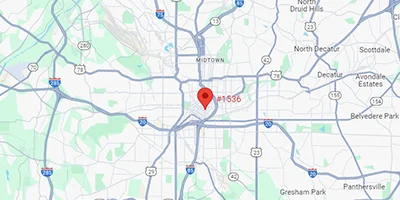
50 Hurt Plaza S.E. #1536,
Atlanta GA 30303
 Get Directions
Spaulding Injury Law:
Alpharetta
Personal Injury & Car Accident Lawyer
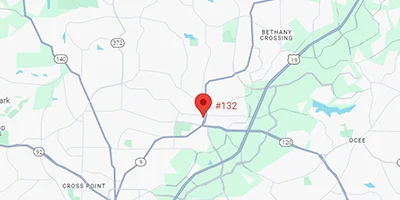
44 Milton Ave #132
Alpharetta, GA 30009
 Get Directions
Spaulding Injury Law:
Cumming
Personal Injury & Car Accident Lawyer
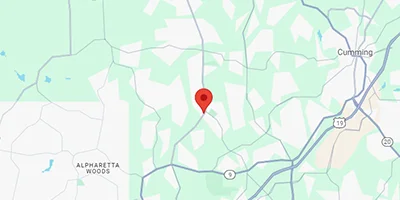
5860 Bond St
Cumming, GA 30040
 Get Directions
Spaulding Injury Law:
Lawrenceville
Personal Injury & Car Accident Lawyer
223 Scenic Hwy S #202
Lawrenceville, GA 30046
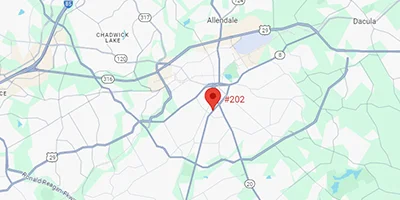 Get Directions