
Georgia is an at-fault state, meaning drivers must pay for accident-related losses that happen due to their negligence. While you may be entitled to compensation after an accident when someone else was to blame, liability can be more complicated than you might imagine.
An injured victim must demonstrate the fault of the liable party. It could be a driver operating under the influence, a truck driver who failed to yield to the right of way, or an SUV driver who ran red lights.
However, a vital exception could exist if the at-fault party uses the sudden emergency doctrine as a defense against liability. The defendant may use sudden emergency doctrine to reduce their liability because of an emergency or unavoidable event not caused by their wrongdoing.
A trusted Atlanta car accident attorney from Spaulding Injury Law can offer legal advice on navigating the sudden emergency doctrine and proving liability for your losses when this issue arises.
What Is the Sudden Emergency Doctrine?
All drivers have a legal duty to drive carefully to avoid causing accidents that could cause injuries or damage to other road users. The duty of care includes responding prudently to unexpected debris on the roadway.
However, there may be no time to respond prudently when an emergency occurs. The at-fault in a car accident may use the sudden emergency doctrine to avoid bearing responsibility for accident-related causes.
With the sudden emergency doctrine, the at-fault party is held to a different standard than others. Even so, there are many gray areas regarding when an at-fault can apply the emergency doctrine as a defense strategy.
The law allows the defendant to use emergency doctrine if certain conditions apply, including:
- The presence of a verifiable emergency
- The defendant did not create an emergency
- The defendant had to choose from multiple causes of action
- A reasonable driver faced with a similar situation would have taken the same course of action
How to Claim a Sudden Emergency Defense?
When determining the validity of sudden emergency doctrine, the court or a jury must be satisfied with the following elements:
Unexpected Occurrence
The event leading to the accident must have been genuinely unexpected for the emergency doctrine to apply. This means the person claiming the sudden emergency defense could not foresee or anticipate the events leading to the accident.
An ideal example is a driver who crashed their vehicle after suffering a sudden heart attack while driving.
Imminent Danger
The defendant must base their argument for the sudden emergency doctrine on an imminent danger event. The imminent danger element requires that the sudden emergency presents a clear and impending danger to the person claiming defense or others.
For example, if a driver suddenly notices an open sewer hole and swerves to avoid hitting it, they may be considered to have faced an imminent danger.
Immediate Reaction Required
Another requirement for claiming the sudden emergency doctrine is an immediate reaction. For the doctrine to apply, the person claiming the defense must have made an immediate reaction.
A scenario of immediate requirement may involve a driver who notices another car driving towards them in the wrong direction and swerves to avoid a head-on collision.
Little to No Time for Consideration
The driver claiming sudden emergency doctrine should be faced with little to no time for consideration. As a result, the defendant party had a limited time frame to make a calculated move to avoid a collision.
An ideal example is a driver who notices a loose tire headed towards them and swerves to avoid being hit on the windscreen.
Consideration of How a Reasonably Prudent Person Would React
This element requires a person faced with a sudden emergency to react how a reasonably prudent person would react under similar circumstances.
Suppose a driver slammed their emergency brakes to avoid hitting a child who suddenly crossed the road. Given the circumstances, the driver’s response is considered reasonable and appropriate.
No a Consequence of a Driver’s Negligence
A response to an alleged sudden event should not be a response to the defendant’s acts of negligence. Someone claiming the sudden emergency doctrine should not only do so because of something beyond their control.
For example, if a driver loses control of their vehicle due to overspeeding, they cannot use the sudden emergency doctrine to avoid liability in the resulting accident. Similarly, if a driver falls asleep and causes an accident, they cannot use the sudden emergency doctrine.
Do Medical Emergencies Apply?
A defendant can use the sudden emergency doctrine in a medical emergency. Suppose a driver caused a side-impact collision after suffering a sudden heart attack. In that case, the sudden emergency doctrine may apply because the defendant lost consciousness.
If a defendant is to use the sudden emergency doctrine, they must prove the following:
- The driver lost consciousness before the accident occurred
- The driver lost control of the vehicle as a result of being unconscious
- The loss of consciousness was a result of an unforeseeable medical emergency
Usually, the burden of proof lies on the person who uses medical emergency in the sudden emergency doctrine.
The word ‘foreseeability’ comes into play when the defendant of a car accident applies the sudden emergency doctrine due to a medical emergency.
Suppose a driver experienced the symptoms of a severe medical condition before a crash. In that case, it may have been foreseeable that an emergency could occur while driving. The same principle applies to a person with the knowledge of a medical condition, such as seizures.
If foreseeability applies to your case, the sudden emergency doctrine may not apply to the accident.
The ability to disprove medical emergency in the sudden emergency doctrine will put you in a better position to claim compensation for your damages.
Here are a few strategies that can apply:
- The defendant’s medical records show pre-existing medical records
- The blood test results taken after a car accident can reveal if the defendant took medication as prescribed by a doctor.
- Testimonies of people who know the defendant, particularly those who can speak of a past medical emergency
Who’s Liable if there’s a Car Accident?
Establishing fault in a car accident is the first step you should make while pursuing compensation for your damages. With clarity on the liable party, you can prove you should be compensated for injuries and damages caused by the other driver.
Liability means the other driver is at fault and should pay for the losses.
Here’s who can be at fault for a car accident.
Besides the driver, various parties can be held liable for injury-related losses, including:
- Vehicle Owner: The owner of a car could be liable for accident-related losses if they entrust their vehicle to an irresponsible person, leading to a crash.
- Government Agency: Federal, state, or local agencies in Atlanta may be liable for a car accident if they fail to maintain specific roads leading to the crash.
- Automaker or Third-Party Parts Manufacturer: A vehicle or third-party parts manufacturer if it is determined that a vehicle defect caused the accident.
- Driver’s Employer: The business owner or employer could bear responsibility for an accident caused by an employee while driving a company vehicle.
When determining fault in an accident, the strength of your claim heavily relies on the evidence presented. The type of evidence you should compile to establish negligence on the other party includes:
- Medical documentation, including medical bills and reports from healthcare professionals
- Images of the scene of an accident
- Police report
- Traffic camera footage
- Vehicle black box
- Expert opinions from accident reconstruction experts
- Witness statements
Georgia Is a Modified Comparative State
Sometimes, the fault of an accident can be apportioned between the defendant and the injured victim, a concept called comparative negligence.
Georgia, being a modified comparative state, means you can recover from your injuries from the responsible party or parties even if you’re partially at fault as long as your fault doesn’t exceed the other party’s.
If a jury determines you were 30% at fault, you can collect compensation equal to 70% of your damages.
Get in Touch With an Experienced Atlanta Car Accident Attorney
Suppose you sustained a back injury in a car accident involving a driver who ran the red lights. In that case, you deserve compensation for accident-related losses, including medical expenses and lost income.
While the liable party may defend their action, an experienced attorney can defend your right to compensation.
Spaulding Injury Law is a car accident law firm with decades of experience representing injured victims.
Contact us online or at (770) 744-0890 for a free case consultation.
Connect with us


- November 2025
- October 2025
- September 2025
- August 2025
- July 2025
- May 2025
- April 2025
- March 2025
- February 2025
- January 2025
- December 2024
- November 2024
- October 2024
- September 2024
- July 2024
- June 2024
- May 2024
- April 2024
- March 2024
- February 2024
- January 2024
- December 2023
- November 2023
- August 2023
- June 2023
- May 2023
- April 2023
- March 2023
- February 2023
- August 2022
Archives
- Alpharetta
- Atlanta
- Atlanta Legal Service
- Back Injuries
- Brain Injuries
- Car Accidents
- Construction Accident
- Covid-19
- Cumming
- Dog Bites
- FAQs
- Firm News
- Georgia
- Gwinnett County
- Interview
- Lawrenceville
- Motorcycle Accidents
- Negligent Security
- Pedestrian Accidents
- Personal Injury
- Premises Liability
- Property Damage
- Slip and Fall Accidents
- Spaulding Injury Law Service
- Swimming Pool Accidents
- Train Accidents
- Truck Accidents
- Uncategorized
- Video
- Wrongful Death
Categories
Spaulding Injury Law:
Atlanta
Personal Injury & Car Accident Lawyer
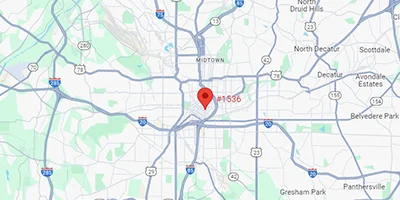
50 Hurt Plaza S.E. #1536,
Atlanta GA 30303
 Get Directions
Spaulding Injury Law:
Alpharetta
Personal Injury & Car Accident Lawyer
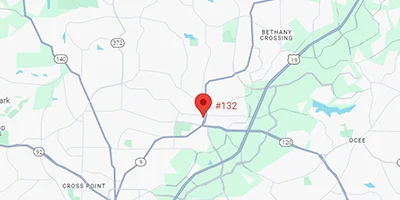
44 Milton Ave #132
Alpharetta, GA 30009
 Get Directions
Spaulding Injury Law:
Cumming
Personal Injury & Car Accident Lawyer
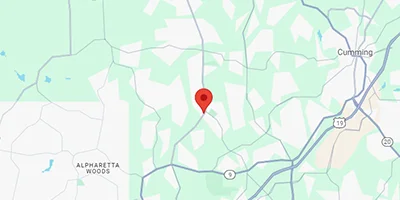
5860 Bond St
Cumming, GA 30040
 Get Directions
Spaulding Injury Law:
Lawrenceville
Personal Injury & Car Accident Lawyer
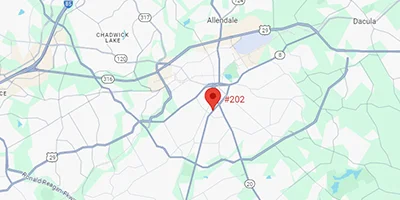
223 Scenic Hwy S #202
Lawrenceville, GA 30046
 Get Directions