
Who Is Responsible in a 3 Car Rear End Collision?
No law firm can determine a fair settlement offer until they’ve investigated the client’s rear-end collision. More specifically, the settlement offer should depend on the exact cost of the client’s accident-related damages.
A fair offer is one that covers both current and future damages. Anything less is unfair, as a lesser offer will require you to pay out of your own pocket for an accident that you (presumably) did not cause. Speak with Spaulding Injury Law about what might be a fair amount for your injuries.
Factors Affecting the Value of a Rear-End Collision Settlement Offer
Each rear-end collision occurs at different speeds, involving different vehicles, under different circumstances. It is critical that your car accident attorney calculate your damages based on your accident and the unique ways that the accident has affected you.
Some of the variables that may determine the fair value of a settlement are:
- The severity of your rear-end collision: While there are exceptions, rear-end collisions that happen at high speeds have the greatest capacity to cause injuries. Therefore, the severity of your rear-end accident could be a substantial factor in the cost of your damages.
- The injuries resulting from your accident (and their severity): The National Safety Council (NSC) notes that the severity of injuries has a direct effect on the cost of medical care, work losses, and other damages. Disabling injuries, for example, cost more than $100,000 on average (and that does not even account for non-economic damages).
- The share of fault for the accident: If someone is 100% responsible for causing your accident (as is often the case with rear-end collisions), they may be responsible for covering 100% of your accident-related damages.
- The amount of damage your vehicle takes: Differences in vehicle repair costs can affect the cost of an accident. For example, it may cost far more for a person who drives a Mercedes to repair their vehicle than someone who drives a Kia. Every instance of vehicle damage requires a fair financial recovery, no matter what vehicle you drive or how severely it is damaged.
- Your unique response to the accident: Each rear-end collision victim has a different response to their accident. If you have substantial emotional and psychological problems after the accident, the value of your settlement should reflect these struggles.
The car accident attorneys at Spaulding Injury Law have accurately valued damages for many rear-end accident victims. We take a consistent approach to valuing damages that accounts for both economic and non-economic damages.
Specific Damages Your Lawyer Will Look For When Calculating Your Settlement
Though every accident victim has different damages with different values, our lawyers never overlook a single one. We consider every possible type of harm a victim can suffer, which includes:
Mental Health Problems
Motor vehicle accidents can cause post-traumatic stress disorder (PTSD). Other mental health problems resulting from a motor vehicle accident may include:
- Depression
- Generalized anxiety
- Fear of riding in motor vehicles
- Difficulty sleeping
- Lost quality of life
Severe mental health problems can affect every corner of your life. Our lawyers will work alongside mental health professionals as we diagnose and determine the cost of your pain and suffering.
Physical Pain
Both acute and chronic pain may entitle you to compensation. We may include the cost of your physical pain in the category of damages known as pain and suffering, which will also include your accident-related mental health problems.
Professional Damages
Whiplash is one of the most common injuries that can result from a rear-end accident. This and other injuries may prevent you from working, resulting in the following:
- Lost income
- Lost earning power
- Missed bonus and promotion opportunities
- Lost productivity
- Diminished status with your employer
Long-term injury symptoms may cause a rear-end collision victim to lose their job or even their career. This can be financially and psychologically devastating. You deserve fair compensation for any professional damages stemming from your rear-end accident.
Medical Expenses
A rear-end collision may require you to:
- Take emergency transport
- Become hospitalized
- Visit numerous doctors
- Undergo rehabilitation
- Take one or more medications
- Purchase medical equipment
Medical care is not free—it’s typically quite expensive, in fact. Even if health insurance covers your healthcare costs, you could face increased premiums and other costs. It is ideal for liable parties to cover your accident-related medical expenses.
Property Costs
A liable party should cover the cost of repairing your vehicle. They should also cover any damage to your clothing, cell phone, jewelry, accessories, and other property damaged during the accident.
Even two people who suffer similar accident types may have vastly different damages and settlement values. The lawyers at Spaulding Injury Law view our clients as people, which allows us to see how their accidents affect them on a human level. We’ll determine the exact cost of your accident-related damages, ensuring the settlement we seek is a fair one.
Who Should Pay for the Cost of a Rear-End Collision?
Motorists are often responsible for rear-end collisions. Driving behaviors that increase the risk of a rear-end collision are:
- Tailgating, which means driving too closely to the vehicle ahead of you
- Driving while intoxicated or on drugs, as impairment typically slows response times
- Driving while distracted or tired
- Stopping abruptly in the roadway without good reason
- Changing lanes without checking blind spots
Any liable motorist (or their insurer) should pay for your accident-related damages. If another party is responsible for your accident, they should cover the damages. Motor vehicle manufacturers and municipalities are among those who could be liable for a rear-end collision.
Insurance Companies Often Extend a Quick, Cheap Settlement Offer
Insurance companies are typically involved in rear-end accident cases. Georgia law requires motorists to maintain auto insurance. This insurance provides compensation when a motorist strikes another vehicle in the rear, causing injuries and property damage as a result.
Insurance companies don’t always pay what they owe willingly. Insurers make money by withholding compensation, not paying it out. Therefore, you should not be surprised if an insurer:
- Blames you for a rear-end accident, even if it is obvious that you are not at fault
- Offers quick but cheap settlement offer, hoping you’ll accept and free the insurance company from further financial responsibility
- Delays your claim, hoping you will become financially desperate and accept its lowball settlement offer
- Misrepresents the details of an insurance policy, believing that you (or your lawyer) will not read the policy
Insurance companies act in bad faith, often with a financial motive for doing so. Your attorney from Spaulding Injury Law will hold insurers accountable for the policies they issue, demanding all of the money you are entitled to.
How an Attorney Can Help You Calculate Damages and Fight for a Financial Recovery
When you hire a motor vehicle accident lawyer, you should expect them to lead every step of your case. That’s what Spaulding Injury Law offers. We help victims of rear-end accidents by:
- Calculating damages: We cannot pursue a fair settlement if we don’t know how much your damages cost. Therefore, calculating the cost of your accident-related damages is a high priority for our legal team.
- Documenting your damages: Our team will secure any medical bills, medical records, and other documentation proving your damages from the rear-end accident.
- Getting all relevant evidence: Video footage, witness accounts, reconstructions of the accident, and the police report from your accident may all be key pieces of your case.
- Completing the administrative aspects of your case (which are critical): The Spaulding Injury Law team will manage communications, paperwork, and all other administrative demands. Handling communications is especially important. Anyone who might seek to harm your case will have to deal directly with us.
- Negotiating a settlement: Your lawyer will lead settlement negotiations on your behalf. We will have evidence, documentation of damages, and our settlement calculation in tow. Together, these pieces will form a compelling case for the settlement you are seeking.
- Taking your case to court: While many rear-end collision cases settle, Spaulding Injury Law is always ready for court. This separates us from certain other personal injury firms serving Georgia.
We offer end-to-end legal services. This way, our clients can rest and recover without losing sleep over their insurance claims or lawsuits.
How Do I Choose a Law Firm to Fight for My Rear-End Collision Settlement?
When evaluating law firms to lead your rear-end collision case, you should weigh the following:
- Whether the law firm regularly handles motor vehicle accident cases
- How much compensation has the firm won for its clients
- How the law firm collects its fee
- How did you feel during your free consultation with the law firm
- Reviews that former clients have left for the firm
Spaulding Injury Law offers an appealing offer to prospective clients. We provide total financial support, promise attentive service, and are willing to fight for your financial recovery at trial.
Call Spaulding Injury Law Today for a Free Consultation and Legal Assistance
We may have a limited time to seek compensation for your rear-end collision. Don’t wait to speak with our team. Call Spaulding Injury Law today at (770) 744-0890 for your free consultation. You can also provide your case details online, and our team will contact you.
August is Back to School Safety Month

The start of the school month is a hectic time for many households in Atlanta. Parents will need to juggle work and other obligations with a demanding school schedule, homework, extracurricular activities, and more. It can be easy to forget to go over important safety tips and accident risks with your child. To help keep children safe, the National Safety Council recognizes Back to School Safety Month in August.
Getting to School
No matter how your child gets to school, there are risks of transportation accidents. This includes the following:
- Riding the bus – Ensure your child knows how to safely wait at the bus stop, as well as board and exit the bus, which includes ensuring the bus driver can see them at all times. Once they are on the bus, they should wear seat belts (which should be available) and remain seated at all times.
- Riding a bike or walking – Teach your child how to cross streets at crosswalks and follow traffic signals and crossing guards. Make sure they always wear a helmet when on a bicycle, and that they do not stray from their usual route.
- Driving to school – If your teen is driving to school or riding with another teen driver, discuss safe driving techniques. Moreover, set an example of how they should not drive impatiently or aggressively, even if they are running late.
What We See at Spaulding Injury Law
Unfortunately, the main injury situations we see at the firm involving children getting to school are pedestrian accidents, where the child is stuck by a vehicle boarding or exiting the school bus or walking to school, and car accidents where a motorist collides with the school bus. In the pedestrian accident scenario, the most dangerous situation we see is when a child is struck crossing the road.
In the car accident scenario, we see all types of situations. Everything from a motorist not paying attention and struck a stopped school bus with its flashing lights on, to school bus drivers acting negligently while operating the bus. Each of these scenarios could have devastating results.
Injuries at School
You should be able to trust school administrators, staff, and teachers to keep your child safe. However, injuries do happen at school in many different ways. Some examples of common school-related injuries include:
- Slip and falls
- Playground injuries
- Swimming pool injuries
- Assaults due to inadequate security
Some of these accidents can happen due to school-related negligence, no matter how careful your child can be. Though ensure your child that they should always be honest about how injuries occurred during the school day.
What We See at Spaulding Injury Law
The typical injury scenario we see at the firm involving children getting hurt at school is playground-related injuries. Often these are equipment failure issues where something like a swing breaks while the child is using it or a trip and fall hazard on the playground that was not properly dealt with by the administration.
From time to time we also see assault cases. These can be teacher-on-student or student-on-student assaults.
Sports Injuries
Many school-aged children play sports, whether as part of their physical education program or as an extracurricular activity. In either case, your child is at risk of injuries from sports, and this risk increases if the sports program is run in a negligent manner. Be sure that your child:
- Knows how to follow the rules of the game
- Reports if someone is allowed to play rough or violate the rules
- Has the proper safety equipment in working order
- Has a safe environment in which to practice and play (i.e., not in excessive heat)
- Is not -pushed beyond their ability, age, or skill level
- Gets prompt medical attention if a suspected injury occurs
Negligent coaches and sports teams can result in serious preventable injuries to schoolchildren.

Beware of Sovereign Immunity in Georgia
While we hope no child is ever injured going to or from school or while at school, injuries do occur. What parents need to be aware of is that if it is the school’s fault for your child’s injury, more likely than not, there is nothing that can be done to pursue the school. In Georgia, sovereign immunity protects the school, its employees and the school system from liability in a large number of scenarios. In fact, there are only a very small amount of exceptions to this rule that allows the pursuit of a civil action against these entities.
Contact a Personal Injury Lawyer for More Information
At Spaulding Injury Law, our personal injury attorneys all over Georgia hope that your children have a safe start to the school year. If you or your child was injured in any type of accident, you should not hesitate to schedule a free case evaluation with an experienced member of our legal team.
Lawrenceville is the second oldest city in metropolitan Atlanta and it was incorporated in the year 1821. This city sits about 30 miles northeast of downtown Atlanta and has a population of over 30,000 people. Rich in history and culture, there are many well-known people from Lawrenceville. We will share some of them now.
Three most famous people born in Lawrenceville
While these people lived most of their lives in other places, both were born in Lawrenceville and went on to be quite famous for their day.
Charles Henry Smith
Born in 1826, Charles Henry Smith was considered the South’s most famous writer of the late 19th century. His pen name was Bill Arp, and he wrote humorous pieces for the newspapers of Atlanta during the Civil War.
Ezzard Charles
Ezzard Charles was born in Lawrenceville in 1921 but raised in Ohio where there were better opportunities for African-Americans. In 1950, Charles became the World Heavyweight boxing champion by defeating Joe Lewis, which was accomplished by unanimous decision.
Oliver Hardy
The comedy team, “Laurel and Hardy” were screen legends in the 1920’s through 1940’s. While Oliver Hardy’s family moved often and lived in many Georgia towns, it was established that Oliver Hardy lived in Lawrenceville in 1900.
Sports Stars
- Jonathan Babineaux – Atlanta Falcons
- Jeff Francoeur – Atlanta Braves
- Jonathan Massaquoi – Tennessee Titans
- Brian McCann – Houston Astros
- Grace Min – tennis player
- Raju Rai – badminton player who qualified for the 3008 Olympics
- Christin Stewart – Detroit Tigers
- Darius Walker – NFL running back
- Walker Zimmerman – Soccer
- Maya Moore – Minnesota Lynx
Celebrity Chefs
Jason Ellis – He’s served food for Lil’ Wayne, Taylor Swift and former Atlanta Falcon Jonathan Babineaux. But today, Ellis serves food to Gwinnett residents out of a tiny barbecue joint ( Smoke 631 BBQ ) connected to an Ace Hardware store off Buford Drive in Lawrenceville.
Politicians
- Hamilton Jordan – former Chief of Staff for President Jimmy Carter
- Courtland Win – politician and attorney (19th century)
- Served as mayor of Lawrenceville for two terms beginning in 1884 when he was 21 years old.
- Rob Woodall – current member of the United States House of Representatives
Actors and Entertainers
- Moisés Arias – television and film actor
- Rachel Farley – Country music singer
- Jennifer Ferrin – actress
- Rachel G. Fox – actress
- Michael Kelly – television actor
- Migos – rap music group
- Ricardo Hurtado – television actor
Point of Interest
In 1970, Larry Flynt, Publisher of Hustler magazine, was brought up on obscenity charges. During the trial, in March of 1978, Flint and his attorney, Gene Reeves were eating lunch when shots rang out. Both gentlemen were shot by a sniper near the courthouse, and while neither of them was killed, they were seriously injured and hospitalized. A serial killer named Joseph Paul Franklin claimed to be the shooter while he was imprisoned, but no proof was ever found to support this. A movie was released in 1996 which was broadly based on an exaggerated version of this story. The title of the movie is “The People vs. Larry Flynt.”
As you can see, Lawrenceville is an important part of the culture in the state of Georgia. The city is diversified and the multicultural population ensures talents in every area of life are represented. Many fine people live in and around the city, and as this city grows and thrives, more local talent will excel, thus shining the light of notoriety into the region.
How to Get a Georgia Motorcycle Permit
To legally operate a motorcycle on the roads of Georgia, you will begin with a motorcycle permit. There are many requirements to get a motorcycle permit in Georgia, and you’ll need to know what to do next to reach your full license.
Though accidents still occur, Georgia requires motorcyclists to have licenses and licenses to keep them safe on the roads. If you are injured riding your motorcycle, immediately contact the Atlanta motorcycle accident attorneys at Spaulding Injury Law: Atlanta Personal Injury & Car Accident Lawyer.
The Requirements for a Georgia Motorcycle Permit
To get a Georgia motorcycle permit, you must meet and/or provide the following:
- Be at least 16 years of age.
- If you are under the age of 18, you must meet Joshua’s Law Requirements, which are that you complete an approved driver education course through one of four approved methods at a DDS certified driving training school.
- Submit the online license/ID/other information needed.
- Collect the required documents that show your identity, residential address, and US citizenship or other proof of lawful status in the United States
If you are under the age of 18, your application must also include:
- Your ADAP or eADAP certificate of completion
- Proof of school enrollment
- A certificate of completion from the driver education course to meet Joshua’s Law Requirements
When all of these requirements are met, you can get your motorcycle permit and get onto the road with your motorcycle. However, it is essential to recognize that a motorcycle permit is not a motorcycle license, and a permit has limitations intended to keep new riders safe.
Motorcycle Permits are More Limited than Motorcycle Licenses
The purpose of the motorcycle permit is to enable the rider to perfect their motorcycle riding skills, but only under certain conditions. If you have a motorcycle permit, you cannot drive on the highway, operate at night, or carry other passengers on your motorcycle. Your permit is only good for two years and must be renewed thereafter.
To obtain a motorcycle license, you must have held a motorcycle permit for at least six months and meet various additional requirements, including a safety course or a driving exam. Several resources are available to refer to for the complete requirements to get a Georgia motorcycle license. It is essential that you follow the rules associated with your motorcycle permit to ensure compliance and keep you safe while riding.
Contact an Atlanta Motorcycle Accident Lawyer for Help
If you or a loved one has been injured in a motorcycle accident caused by someone or something else, you could be entitled to compensation for all the costs associated with your injuries. These include medical bills, lost income, future expenses, and also the pain and suffering you experienced due to your injuries.
For a review of your rights as a motorcycle accident victim and what compensation you might be entitled to, schedule a consultation with Spaulding Injury Law today.
Things To Do In Cumming, GA
The small city of Cumming is the only city in Forsyth County, Georgia, and is much more than just a suburb of the state’s massive metropolitan capital. Cumming is beautifully situated on the GA 400’s Hospitality Highway, and the city lives up to that reputation for hospitality. If you are looking for outdoor adventure, trails abound, and if you’re more inclined to luxury camping, Lake Lanier is your destination. If you are in the market for an experience that combines hiking, shopping, and dining, the mixed-use development of Halcyon has got you covered. There’s something for everyone in Cumming, and our legal team encourages you to check it out.
The Sawnee Mountain Preserve
The Sawnee Mountain Preserve is known as the jewel of Cumming for several very good reasons. These nine hundred acres of majestic parkland feature all the following enticements:
- Endless miles of hikes
- A climbing area
- A visitor center where you can learn about the preserve’s history and enjoy several exhibits
- A playground for the kids
- Two picnic pavilions
- A tree canopy classroom
- An amphitheater
- Outdoor programs
The showstopper at the Preserve is the unique natural rock formation that is called the Indian Seats, which is found at the trail system’s summit and offers a breathtaking panoramic view of North Georgia’s mountains.
The Indian Seats Trail
The Indian Seats Trail at the Sawnee Mountain Preserve takes you to the summit of Sawnee Mountain and offers spectacular big-picture views of the North Georgia Mountains. Described as one of the best views in North Georgia, the Indian Seats Trail is a must-see. From the summit, you can look out on the soaring ridgeline of the Blue Ridge Mountains in the distance, and a sunset from this vantage point will take your breath away.
This very well-maintained trail forms a loop that experiences a moderate elevation gain of 500 feet along the way and is popular with runners and hikers alike. An important note to keep in mind is that dogs are not permitted in the Preserve, so you’ll need to plan another walk with your four-legged friends (and the Big Creek Greenway Trail – beginning at Halcyon – is encouraged).
The Indian Seats name refers to the three seat-like grooves that are worn into the granite slab at the cliff’s edge. From here, you can have a seat and take in the world-class view while your feet dangle over the cliff’s side. There is archaeological evidence that indigenous Americans used this sight as early as 500 B.C.
Big Creek Greenway
The Big Creek Greenway is a massive trail that travels right along Big Creek from Roswell to Alpharetta to Cumming, where it unfolds its 11-mile course. The access point to this multi-use trail begins at the Halcyon Trailhead.
Lake Lanier
When you’re in Cumming, you’re not far from Lake Lanier, and the delights of this 37,000-acre reservoir are not to be missed. Lake Lanier was formed back in the 50’s when the Chattahoochee River was dammed, submerging the forests, plains, and hills that lay next to the river’s path. This expansive waterway has spawned many recreational spots in the area and draws 10 million visitors every year.
Fishing is a perennial favorite on the banks of Lake Lanier, but you can also get out on the water in a kayak, canoe, or any other non-motorized boat and enjoy its crystal-clear beauty. And largemouth bass, bluegill, and walleye are always biting in the deeper waters.
If you’re interested in luxury camping, Lake Lanier is a big draw, and Airbnb offers a wide range of glamping experiences on the lake.
Mary Alice Beach Park
Mary Alice Beach Park is a little slice of paradise that lies right next to Lake Lanier in Cumming, and it’s a local favorite. The golden beach that graces the park’s eastern border is a crowd-pleaser and a great place to unwind. Strolling, sunbathing, and swimming are all encouraged, and the forested areas beckon those in the mood for nature walks and hikes.
School Street Playhouse
Listed on the National Register of Historic Places, the charming School Street Playhouse is housed in Cumming’s old public school, which has been renovated to offer guests peak experiences. With its comfortable seating, inviting natural lighting, and next-level acoustics, this charming theater boasts diverse cultural experiences, including plays, musicals, concerts, and other productions performed by talented local groups and performers on loan from near and far.
The Cumming Country Fair & Festival
The Cumming Country Fair & Festival is a local favorite that spans 11 days every October and highlights the agricultural heritage of Cumming and the surrounding area. When you mix carnival rides with classic fair food, interactive exhibits, magic shows, circus acts, live concerts, and more, it’s hard to go wrong, and the Cumming Country Fair & Festival does not disappoint.
Halcyon
Halcyon defines itself as “an idyllic 135-acre gathering place . . . and a new opportunity to define a community in Forsyth County.” Home to the Big Creek Greenway Trailhead, walking the dog, strolling, hiking, and jogging are woven into the fabric of Halcyon, but that’s only the beginning. Paved pathways connect the entire community, which is dotted with curated boutique shopping and chef-driven dining. The common green at the center is an excellent meeting spot, and well-appointed hotel rooms abound. There’s something for everyone at Halcyon.
An Experienced Georgia Personal Injury Attorney Can Help
Cumming has plenty to offer, but when you’re this near Atlanta, you can’t escape some inevitable traffic – and the negligence-based accidents that come with it. If you’ve been harmed in any kind of accident that was caused by someone else’s negligence in the Cumming area, the seasoned personal injury attorneys at Spaulding Injury Law are well prepared to help.
Your claim and your ability to fully recover – physically and financially – are important, so please don’t wait to contact us online or call us at 770-744-0890 for more information about how we can help you today. Do not wait to begin protecting your rights.
Georgia’s Most Dangerous Places to Drive
Georgia is a beautiful state with abundant natural resources and much to recommend it. It cannot be denied, however, that Georgia sees its fair share of serious car accidents, and some locations are more dangerous than others – according to national statistics. If you or someone you love has been injured by another driver’s negligence, the best course of action is to consult with an experienced Georgia car accident attorney early in the process.
The Statistics
The National Highway Traffic and Safety Administration’s (NHTSA’s) in-depth, five-year study dives into exactly where fatal accidents are most likely to happen throughout the State of Georgia, and the findings are enlightening.
Total Fatalities
NHTSA shares the following regarding the Georgia counties that experienced the most fatalities over the five years from 2016 to 2020 – ranked according to the death rates experienced in 2020:
- Fulton County saw the most fatalities by far, and 2020 topped the list with 145 deaths, which accounted for 9 percent of total traffic fatalities in the state that year.
- Dekalb County ranked second in the state, and its deadliest year was 2018, with 108 deaths. Over the five years involved, Dekalb County accounted for between 5 and 7 percent of the total traffic fatalities.
- Cobb County was third in line, and it saw the most fatalities in 2020, with 85 deaths. Over the five years involved, Cobb County accounted for between 3 and 5 percent of the total traffic fatalities in the State of Georgia.
- Gwinnett County ranked fourth, and 2017 was its deadliest year – with 66 fatalities. From 2016 to 2019, Gwinnett County accounted for 4 percent of the total traffic fatalities in Georgia, and in 2020, it accounted for 3 percent.
- Clayton County came in at the fifth position, and its deadliest year was 2019, with 51 traffic deaths. Other than in 2017, Clayton County accounted for 3 percent of the total traffic fatalities in the state – accounting for 2 percent in 2017.
- Chatham County is sixth in line, and it accounted for 2 percent of the state’s total traffic fatalities for every year other than 2016 – when it accounted for 3 percent.
- Bibb County is next, accounting for 2 percent of all traffic fatalities across the board.
- Liberty County took the eighth spot, and it accounted for 1 percent of the total traffic deaths in 2016, 2017, and 2019 – for 0 percent in 2018 – and 2 percent in 2022.
Year-to-Year Changes
The degree to which the top-ranking counties’ fatality rates changed from one year to the next – in terms of percentages – helps to round out the statistics that pinpoint the most dangerous places to drive in Georgia. Consider the following:
- Fulton County’s fatality rate decreased by a full 12 percent in 2017 but saw increases of 14, 10, and 1 percent in the three subsequent years.
- Dekalb County’s fatality rate rose by 19 percent in 2017, 14 percent in 2018, and 16 percent in 2020. On a more hopeful note, traffic fatalities decreased by 27 percent in 2019.
- Cobb County’s traffic fatality rate decreased by 10 percent in 2017, but every year thereafter, it increased by 8, 18, and 27 percent, respectively.
- Gwinnett County’s traffic fatality rate decreased every year except for 2017, which saw an 8 percent increase. From 2018 to 2020, the death rate decreased by 6, 2, and 7 percent, respectively.
- The traffic fatality rate in Clayton County plummeted by 33 percent in 2017 but rose by a dramatic 41 percent in 2018 and another 13 percent in 2019. In 2020, the rate dipped again by 4 percent.
- Chatham County’s traffic fatality rates are all over the board. They dropped by a considerable 24 percent in 2017, rose by 28 percent in 2018, took another dip of 19 percent in 2019, and rose by 13 percent in 2020.
- Bibb County shot up by 21 percent in 2017, saw small decreases in both 2018 and 2020, and increased by 6 percent in 2019.
- Liberty County saw the largest increase and the largest decrease of all the contenders for most dangerous places to drive in Georgia. In 2018, the traffic fatality rate fell by 50 percent, but in 2020, it rose by a full 300 percent. 2017 saw another major spike of 75 percent, while 2019 rose by a more modest 14 percent (relatively speaking).
Fatality Rates
Things look somewhat different when it comes to traffic fatality rates per 100,000 people. Consider the following:
- Taliaferro County took top billing with consistent numbers in the low to mid-60s per 100,000 people for each of the five years studied – except for an immense jump in deaths in 2018, with 310 traffic fatalities, and another jump in 2020, with 192 traffic deaths.
- Baker County ranked second with numbers in the low 60s per 100,00 people across the board, except for the surprising absence of traffic deaths in 2018 and the 100 fatalities in 2020.
- Coming in third, Macon County lost nearly 15 people per 100,000 in 2016, 44 in 2017, 11 in 2018, 67 in 2019, and 94 in 2020.
- Wilkinson County took the fourth position with 55 deaths per 100,00 people in 2016, nearly 45 in 2017, 11 in 2018, 67 in 2019, and 79 in 2020.
- In the fifth spot, Warren County experienced 93 deaths per 100,00 people in 2016, 57 in 2017, 38 in 2018, and 76 in both 2019 and 2020.
- Glascock County came in sixth, and it experienced 67 deaths per 100,000 people in 2016, 0 deaths in both 2017 and 2019, 33 deaths in 2018, and 67 deaths in 2020.
- Lincoln County, coming in seventh, had 25 traffic deaths per 100,000 people in 2016, 0 deaths in 2017, 25 in 2018, and 12 in 2019. In 2020, they experienced as many deaths as the other four years combined, with a total of 62.
- Seminole County ranked eighth and had 47 total traffic deaths per 100,000 people in 2016, 0 in 2017, 72 in 2018, nearly 23 in 2019, and 62 in 2020.
Traffic Accidents Are Often Caused by Driver Negligence
The vast majority of fatal traffic accidents on Georgia’s roads are caused by driver negligence in one form or another. Motorists who fail to make driving safely their top priority leave our roads more dangerous for all who travel on them.
Distraction
Safe drivers pay attention to the road ahead and to the traffic moving in all directions around them, and they put their distractions away. NHTSA reports that 3,142 people lost their lives to distracted drivers in 2020 alone, and they call texting the most alarming distraction of all. It takes about 5 seconds on average to engage in a text behind the wheel, and in that time, a motorist who is driving at highway speeds can travel the entire length of a football field. Distractions can engage our hands, our sight, or our thoughts, and texting manages to do all three.
Speed
When motorists choose to exceed the posted speed limit or to drive too fast in relation to the road’s condition, they greatly increase the risk that they’ll cause traffic accidents, and they greatly increase the risk that those accidents will prove fatal. Excess speed plays far too significant a role in every category of traffic accident statistic.
Exhaustion
Exhausted drivers experience impairments that are not dissimilar to those that impaired drivers face, which makes drowsy driving an exceptionally dangerous practice. Drowsy drivers have a more difficult time paying attention to the road ahead and controlling their vehicles safely – in addition to making poorer decisions generally.
Impairment
Drunk drivers know how unsafe impaired driving is, but they continue to engage in the practice nonetheless. NHTSA reports all the following sobering statistics regarding impaired drivers:
- In the United States, someone is killed every 45 minutes in a drunk-driving accident.
- 11,654 people died in drunk driving accidents in 2020 alone.
- 2020 saw a 14 percent jump in impaired driving fatalities over 2019.
Drunk drivers pose far too great a risk on roadways throughout the State of Georgia.
Aggression
Aggressive drivers are well known for engaging in multiple dangerous driving practices during any given outing. Some of the hallmarks of aggressive driving include:
- Immense speed
- Tailgating
- Zipping in and out of lanes
- Attempting to engage other motorists with taunts, obscene gestures, and worse
- Refusing to yield the right-of-way
- Passing dangerously
It’s Time to Consult with an Experienced Georgia Car Accident Attorney
If you or someone you love has been injured by another motorist’s negligence, the formidable Georgia car accident attorneys at Spaulding Injury Law are poised to employ the full strength of their impressive experience and legal insight in pursuit of your claim’s best possible resolution.
Your claim – and your recovery – are important, so please don’t put off scheduling your free case evaluation by contacting us online or calling us at 770-744-0890 today. Our skilled legal team is ready to assess and protect your rights as a car accident victim.
Collecting compensation for your damages after a car accident begins with a claim to the insurance company of the driver who caused the accident. To file this claim, you will need their insurance information, and they will likely want yours. Georgia law requires that every driver have a minimum level of insurance, and they should have their insurance information ready to share should an accident occur.
Once you have this information, you’ll want to let your car accident attorney handle all communications for you. To help them get things started, make sure to collect insurance from the other drivers at the scene of the accident. Take a photo of their insurance card if they have a physical one, or otherwise record the information yourself.
Other Things to Remember
If you have been in a car accident, it is important to first:
- Check on the safety and security of the occupants of your vehicle and call emergency services if any harm is suspected
- Move your vehicle out of the roadway to avoid the potential for further harm
- Determine the safety and security of the other driver
- Call the police to come to the scene and request they write an accident report
Once you have checked on the safety and security of everyone involved and called the police to make a report of the accident for you, it is time to make sure you collect the insurance information of every driver involved – as there might be more than one. Especially with multi-car accidents, you might not know who will share liability for the crash, so getting the insurance information of everyone at the scene is critical.
What if You Are Too Injured?
Some accidents cause severe injuries that require emergency medical care. If EMTs are assessing your condition and taking you straight to the hospital in an ambulance, the last thing you will be able to do is to obtain insurance information from others at the scene.
In this situation, the police who report to the scene should record this information and include it in their police report. While you are in the hospital or home beginning your recovery, you can have your car accident attorney reach out to the police department that filed the report to get the necessary information to start the insurance claim process.
Insurance Companies Are Generally Responsible for Compensating You
When you are injured in an accident caused by someone or something else and are entitled to compensation, you will generally be collecting from the insurance companies of the parties that caused the accident. Insurance companies employ full-time teams of claim analysts and attorneys to carefully scrutinize all claims that come in. The purpose of this is to deny whichever claims they can while paying as little as possible on those claims they do pay.
Once you have the insurance information of the parties involved in the accident, it is time to contact a car accident attorney. They will collect the evidence you need to draft a claim that will fully cover all your costs associated with the accident. Contact us for more information today.
Georgia Booster Seat Laws

If you are raising a young child in Georgia who you believe does not need a car seat anymore, you may wonder if you can opt for a booster seat instead. Of course, you would like to keep your child safe while also making more room in your vehicle, but you need to ensure that you are following the laws in your state at all times to avoid injuries during an accident and traffic violation ticket.
In this article, Spaulding Injury Law: Atlanta Personal Injury & Car Accident Lawyer, we will review everything you need to know about using a child’s booster seat in Georgia. We care about your family’s safety and want to ensure that you know the laws and policies within your state regarding this subject. If you have any further questions this article does not answer, please contact our office by telephone at 770-744-0890.
Motor Vehicle Accidents Involving Children in Georgia
While Georgia has some of the strongest child car seat and booster seat laws in the United States, it remains in the top five states with the most child fatalities due to traffic accidents.
According to the National Highway Traffic Safety Administration, Georgia had 55 child traffic fatalities in 2020. Therefore, it is important to drive carefully and be aware of your surroundings when your child is in the vehicle with you and to ensure they are fully secure and in the proper seating needed when driving from place to place.
Even though Georgia is leading ahead of 46 states with child traffic fatalities that could have been prevented, it is necessary to point out that child traffic injuries and fatalities have decreased after Georgia updated and implemented its new set of child safety seat laws in 2011.
Before the new child safety seat laws were enacted, the previous laws only applied to children under six. This means some children were taken entirely out of their car seats and placed in regular seats once they turned six.
The lawmakers and advocates in Georgia learned that this was unsafe as the healthcare system would see 95 percent of patients between the ages of 6 and 8 who were improperly restrained when motor vehicle accidents occurred. Therefore, they decided to do something about this, which led to new policies covering children up to eight years old.
The Child Restraining System Laws in the State of Georgia
Georgia Code § 40-8-76 states that children under the age of eight must be adequately restrained in a system appropriate for their height and weight. All vehicles, including cars, pickup trucks, and vans, must follow these guidelines. However, it excludes public vehicles that carry more than 15 passengers simultaneously and taxis.
Georgia’s Office of Highway Safety explained that this newly amended law requires individuals to adjust their child’s restraining seat system as the child grows. Therefore, for the first three years or until the child reaches the required weight of 20 pounds, they must be in a car seat that faces towards the rear of the vehicle.
When the child becomes big enough not to need to be in a rear-facing car seat, they will need to be in a forward-facing car seat with a five-point harness system. Most people know what this car seat looks like as it has two shoulder straps that buckle directly into the car seat’s lap belt.
Most children will remain in a forward-facing car seat until they weigh 40 pounds. After reaching this set weight, they are allowed to be placed into a booster seat while riding in a motor vehicle.
A booster seat is a seat that works with the car’s regular seat belt. This booster seat will lift the child above the vehicle’s seat, allowing the shoulder strap to sit on the shoulder and chest. You must provide a booster seat for your child, or the seat belt will not work properly as it will be on the child’s neck and not their shoulder and chest. If you were to wreck without this proper seating for your child, the seat belt would not prevent serious injuries during a motor vehicle accident. Neck injuries are also very common for children not placed in a booster seat before operating the vehicle.
If your child is four feet and nine inches tall before their 8th birthday, you may be able to stop using the booster seat sooner. Then, they will need to be properly buckled in when the car is in motion. Do you have questions about child restraint laws in Georgia? Was your child injured in a car accident? Call Spaulding Injury Law: Atlanta Personal Injury & Car Accident Lawyer to schedule a consultation today.
Does It Matter Which Seat a Child Sits In?
All states, including Georgia, require that children under the age of eight only ride in the backseat of a motor vehicle. You may be tempted to allow them to ride up front with you, but this is a very bad idea. The reason for this is that when a wreck occurs, your airbags may deploy, and the impact of your airbags may cause serious head injuries to your child.
Airbags are meant to protect adults seated in front of a motor vehicle, but they are not designed to protect minors sitting up front. Therefore, the American Academy of Pediatrics recommends children remain seated in the backseat until they are at least 13 years of age.
If you are driving a motor vehicle with no backseat, such as a small pickup truck, the child may sit up front if they are in the appropriate restraining system. However, a backseat is the best option for young children as it provides the most safety during a motor vehicle accident.
What Are the Penalties for Violating the Child Safety Restraint Laws in the State of Georgia?
If you are caught with a young child, not in their proper seat or restraining system, law enforcement can stop you for not following the law. If this is your first offense, you will most likely receive a $50 fine from a judge.
You may be able to avoid this fine if you purchase a child safety seat according to your child’s weight and height before your court date. If you prove this, a judge may decide to waive the $50 fine. However, the Georgia Department of Driver Services will add one point to your driving record if this is your first offense.
If this is your second or third offense, the fine will increase to $100, and the Georgia Department of Driver Services will add two points to your record. If you continue to violate the child restraint law, you may receive more points on your driving record.
Why Are Booster Seats Important and Highly Recommended?
Georgia takes their child safety restraint laws seriously. We understand that it can become expensive to buy three different car seat systems for your young child as they grow but failing to follow the laws implemented by the state of Georgia can get costly as well.
Booster seats are extremely important and highly recommended because they can reduce injuries and even save the lives of young children when a car accident occurs. The chances of preventing injuries with a proper restraint system are between 55 and 70 percent. Therefore, you should follow the law and purchase a booster seat for your child.
The Most Common Injuries Experienced by Small Children Involved in a Motor Vehicle Accident
Children involved in motor vehicle accidents will most likely become injured due to their small size. However, it is important to reduce the severity of their injuries by ensuring that they are in the proper restraint systems when the vehicle is moving. Here are a few of the most common injuries reported among small children involved in motor vehicle accidents include head injuries, thoracic injuries, abdominal injuries, upper extremity injuries, and lower extremity injuries.
Head Injuries
Head injuries are the most reported injury among children in motor vehicle accidents. The most common types of head injuries were concussions and lacerations. Children who were one or under experienced more concussions and unconsciousness, while children between the ages of one and seven experienced more skull base fractures.
Thoracic Injuries
Regarding thoracic injuries, children under one experienced more rib fractures, while children between the ages of one and seven experienced more lung injuries.
Abdominal Injuries
Abdominal injuries are also common among children involved in motor vehicle accidents. Those between the ages of four and seven typically experienced about 30 percent of all abdominal injuries reported. Children under the age of one made up 14 percent of abdominal injuries, and children between one and three accounted for 19 percent of these injuries.
Upper Extremity Injuries
Humerus fractures are very common among children between the ages of one and three. This age group makes up 43 percent of upper extremity injuries. These injuries accounted for 26 percent of children under one, 24 percent of children between one and three, and 35 percent of children between four and seven.
Lower Extremity Injuries
Lower extremity injuries were reported among many children involved in motor vehicle accidents. Regarding these types of injuries, pelvic fractures were most reported among children under the age of one, and below-knee injuries were most reported among children between the ages of one and three. Below knee injuries fell into the following age groups and percentages: Children between the ages of one and three (37 percent), Children between the ages of four and seven (35 percent), and children under the age of one (17 percent).
How to Properly Install a Child’s Booster Seat in a Motor Vehicle
If you are wondering how to properly install a child’s booster seat, we have developed a step-by-step guide on how to do this successfully. We think it is important to know this information because the booster seat will not help keep your child safe if it is not properly installed. The following are the steps to follow to properly install a child’s booster seat in a motor vehicle:
- Place the booster seat in the backseat of your motor vehicle.
- Make sure the booster seat remains flat on the backseat. Do not let it become tilted or turned in any way.
- Ask your child to sit in the booster seat for practice.
- Once they are seated in the booster seat in the backseat of the vehicle, reach for the vehicle’s seat belt and place it across your child’s chest and body.
- Buckle the seatbelt.
After completing all five steps, you have successfully installed a child’s booster seat and are ready to begin driving! Make sure you read the manual if one is included. This will ensure that you do not miss any needed information that you may need in the future. It is also important to look for the expiration date because the last thing you want to do is become involved in a motor vehicle accident and have your child in an expired booster seat. This means a better, more up-to-date version of the booster seat is available, and the old one may not keep your child secure effectively.
Have You Been Involved in a Recent Car Accident in Georgia? Contact Spaulding Injury Law for Help.
If you have recently been involved in a car accident in Georgia and need assistance filing a claim, our car accident attorneys at Spaulding Injury Law are available to assist you. We are up to date on all laws surrounding motor vehicle accidents and can answer any questions you may have.
Please reach out to our office at your earliest opportunity by filling out our contact form or calling our office, and we will be glad to get started on your case as quickly as possible. We look forward to hearing from you soon! You should not have to pay for medical bills and other expenses related to an accident out of your own pocket due to someone else’s negligence.
Wrongful Death Resulting From Police Actions
As wrongful death lawyers, we know that with the current climate of the country, police conflicts and alleged abuses are appearing in the news every day. Indeed, the torrent of video footage from the past few months’ Occupied Wall Street protests has not only sparked cries for a review of police procedures, but has also made for a very sympathetic environment for plaintiffs seeking damages from police agencies. As a result, police departments around the country are reviewing policies and training procedures to reduce the potential threat of use of force lawsuits.
Recently, even the manufacturers of police equipment have absorbed some of the liability for police-related injuries and wrongful deaths. Last summer, a Federal Court ruled that Taser International, Inc. must pay $10 million to the family of a teenager who was killed when police deployed one of their electronic control devices. In the lawsuit, the parents of the deceased teenager and their wrongful death lawyer argued negligence on the part of the police officer in tasing the teen for over thirty-seven seconds and also argued that the manufacturer, Taser International, did not properly advise their police department clients of the known risk of death when the taser prongs strike near the heart. To place this into perspective, Tasers are designed to deliver a five-second burst to the intended subject and the ideal spread of the prongs is eighteen inches. The police department in question settled a related suit for $625,000.
Law enforcement officers in Atlanta and other areas of Georgia use a variety of weapons, tools, and tactics to apprehend recalcitrant subjects. Even when police devices are used properly, there is always the risk of temporary or permanent injury, or even death. In personal injury cases involving law enforcement, wrongful death attorneys will examine:
- Level of Force vs. Level of Resistance: For the level of resistance that was being offered, our wrongful death attorneys will determine if the use of police force was consistent with standard procedure, department policies, and Georgia law.
- Malfunction – Did the equipment perform in the manner that it was supposed to? Our wrongful death lawyers will find out. Tasers are designed to cut off after five-seconds before allowing another burst. The effects of pepper spray are supposed to subside after twenty minutes or so.
- Training – Were the officers properly trained by their department? Was the department given all of the information about the product by the manufacturer? The latter point was material in the Taser case.
If you have been injured by police officers or a loved one has died at the hands of law enforcement, you should contact a Georgia wrongful death attorney to discuss your rights.
Spaulding Injury Law
750 Hammond Dr #300
Atlanta, Georgia 30328
Phone: (770) 744-0890
What To Do After A Car Accident?
No one ever plans to be in a car accident. Because being involved in a car accident in Atlanta is such an unexpected and stressful event, it is important to know in advance what you should do at the scene and afterward to provide your attorney with the best possible evidence in your case.
Hiring an Atlanta car accident attorney and pursuing a successful personal injury claim with an insurance company after an accident requires a lot more than simply filing an insurance claim.
Before an insurance company will write what often is a large check to pay you for your medical bills, lost wages, and pain and suffering, they will conduct an investigation to see if their insured actually caused the accident and if the injuries you are reporting were actually caused by the accident.
Proving these facts to the insurance requires evidence, and the more evidence you can give your attorney to provide to the insurance company, the better your chances are of obtaining full and fair compensation for your case.
Often under the stress and surprise of such a traumatic event as a car accident, people are unable to step back and think about what to do and what evidence might be important to gather right there at the scene of the accident.
To try to make it simpler, we have provided an 11-step printable car accident checklist so you know what to do after a crash.
11 Steps to Take After A Car Accident in Georgia
- STEP 1: Call 911 to report the accident and obtain police and emergency medical assistance.
- STEP 2: Check for any injuries in your vehicle or the other vehicle and help anyone in need of assistance.
- STEP 3: Other than checking for injuries, do not make any statements to the other driver about the facts of the accident. If they say anything to you, write down what they said as soon as possible.
- STEP 4: Identify any eyewitnesses to the accident who may have stopped. Ask them about what they saw and get their name, address, phone number, and email address if possible.
- STEP 5: Take photographs of all cars involved from every angle.
- STEP 6: Take photographs of the scene to show weather and lighting conditions and the roadway.
- STEP 7: Take photographs of any cuts, scrapes, bruises or other injuries suffered in the accident.
- STEP 8: Exchange drivers licenses and insurance cards with the other driver(s) and write down all of their information.
- STEP 9: Obtain the name, address, and phone number of any passengers in the other vehicle(s) if possible.
- STEP 10: Do not tell the police officer you are “fine” unless you really are. Explain the facts about what happened and any injuries you sustained to the police officer in detail.
- STEP 11: See a doctor as soon as possible for any injuries you sustained even if you think you are okay. It never hurts to get checked out even if you don’t want to go by ambulance to the Emergency Room. Follow up with your own doctor or seek treatment at the ER or an Urgent Care facility right away.
This is not a one-size-fits-all all checklist, but it provides a good general overview of what to do at the scene of a car accident in Atlanta.
By following those steps or having a friend or family member follow those steps for you at the scene, you will have gathered a lot of helpful evidence to assist your car accident attorney in preparing the best possible personal injury case for you.
To better help you understand why each piece of evidence you are collecting is important, let’s break them down step by step:
Step 1: Call 911 to Ask For Medical Assistance and Obtain A Car Accident Police Report
This step is critical for many reasons. The first priority in any accident is tending to anyone who is injured, and the best way to do that is to call for an ambulance and trained emergency medical personnel.
What about minor accidents? Do you have to call the police after a minor accident? Yes. The 911 dispatcher will also send a police officer to the scene who will generate an accident report and usually issue a citation to the at-fault driver.
The accident report is critical to your case because it will contain all of the drivers’ and passengers’ names and information as well as the drivers’ insurance information.

Plus, it will include a diagram of how the accident occurred and document important factors such as time, date, lighting, weather, and traffic conditions at the time of the accident.
It is very difficult to pursue a car accident insurance claim if the crash was not reported to the police and for which no accident report exists.
Step 2: Check For Car Accident Injuries
Again, the first priority after the accident is identifying and helping anyone who is injured.
This is more of a common sense and humanitarian step than anything having to do with evidence collection.
However, as further discussed below you do want to document any car accident injuries to whatever extent possible.
Step 3: Don’t Discuss the Car Accident With Other Parties At the Scene
This step may seem strange because our inclination as humans after an accident is to want to explain what happened or find out what happened.
If the accident is clearly the other driver’s fault and not yours (i.e., you were sitting completely stopped and they rear ended you) then it is generally okay to ask them why they hit you to see if they will make an incriminating admission of fault.
However, in Georgia accidents where liability (fault) may be up for debate, anything you say or ask can become twisted over time and later used against you by the other driver and their insurance company and attorneys.
It is just as important not to provide evidence harmful to yourself as it is to gather evidence helpful to your case. So it is better to simply not say anything at all after checking to make sure the other driver and passengers are not seriously injured.
Wait for the police to arrive and make your statements only to the police officer as discussed further below.
To aid your memory, if the other driver says anything to you about the cause of the accident write down what they said as soon as possible so you can remember it more accurately later.
Step 4: Ask Witnesses For Their Contact Information
Neutral eyewitnesses can provide some of the most critical evidence available in a car accident case. Often the parties involved in the accident either don’t know exactly how the accident occurred because it was so unexpected or their version is skewed to try to minimize their own fault in the accident.
Thus, police officers and insurance adjusters treat the statements of the parties to the accident with some skepticism.
However, when one party’s version of events is supported by one or more neutral eyewitnesses then that party’s statement becomes far more believable both to a police officer and insurance adjuster as well as to a judge and jury if you wind up involved in a lawsuit.
Eyewitnesses will often only stop long enough to make sure everyone is okay and will leave the scene before the police arrive.

It is critical to try to identify any eyewitnesses early on and ask them what they saw. Write down what they tell you and all of their contact information including name, address, phone number, and email address if they will provide it to you.
If they say they do not want to be involved in any court case try to impress upon them the importance their statement could have in obtaining justice for those injured in the accident.
Eyewitness testimony is some of the most critical evidence that is lost if not obtained right at the scene of the accident, and in cases of disputed liability (fault), it can make or break your case.
Steps 5-7: Take Photographs of the Car Accident Scene
It’s an old expression, but a picture truly is worth a thousand words. No attorney can ever explain to an insurance adjuster or a jury how serious an accident was as well as photographs of the damaged vehicles can.
While it is usually possible to obtain photographs of the damaged vehicles after they have been towed to a wrecker yard and it is usually a good idea to follow up and do so, those photographs are not quite as powerful or as helpful as photographs from the scene of the accident depicting how the cars looked at that time.
Additionally, photographs of the scene to show the exact lighting, traffic, and weather conditions can only be taken at the time of the accident. There is no true substitute for a picture showing the exact conditions at the day and time of the accident.
You or your attorney can return to the scene at a later date and try to take representative pictures at the same time of day and location, but those pictures are just that – a representation – and not an actual depiction of the conditions of the scene at the time of the accident.
Photographs of injuries are the same. Once medical personnel begins treating injuries they never quite look the same again. It may seem awkward but is very helpful to take photographs of fresh injuries at the time.
If an injury involves bruising, it is a good idea to take daily photos of the progression of the bruise. Bruising is usually much easier to see and looks much worse two or three days after an accident.
Thus, you would want to take photos of the bruising at the scene and follow up with additional photos in the days following the accident to show the full extent of the injury.
Again, medical records can document injuries, but nothing truly demonstrates the extent of an injury or the pain and suffering resulting from an injury like a photograph will.
The more photographs you take after an accident, the better. Take photos from every possible angle because you never know what might become critical to have a clear picture of down the road.
Steps 8-9: Exchange Information With Other Drivers and Passengers Involved in the Accident
These steps are some of the most straightforward and widely known steps to take after an accident. Georgia law requires you to exchange license and insurance information with the other driver after most accidents anyway, but you will need that information to pursue a claim with the other driver’s insurance.
If a police officer is called to the scene, the police officer should obtain all of this information for their report, but it never hurts to ask for it all yourself anyway just in case the officer omits something.
Step 10: Discuss the Accident With the Police Officer Who Arrives At the Scene
Typically after a car accident, you will want to explain the facts of the accident from your perspective to the investigating police officer. However, I should provide a caveat here.
For evidence purposes, it is important to remember that traffic accidents almost always involve a violation of a traffic law, which is technically a criminal offense in Georgia.
So when you speak to a police officer about the accident, keep in mind that anything you say can be used against you and can aid the officer in bringing a traffic charge against you.
Generally, though, you will want to explain to the officer the facts of what caused the accident to make sure they get their accident report and liability determination correct. Provide as much detail as you can to make sure the officer gets it right in his report.

If you believe you may have suffered injuries, even if you are not sure, tell the officer that you think you may be injured.
If you do not, then he will write in his report that you were not injured, and the insurance company can use that against you in handling your claim if you later discover that you are more injured than you first thought.
They can try to argue that because you reported being uninjured at the scene of the accident, the injuries you are now making a claim for arose after the accident and were not caused by the accident.
While insurance companies know it is common for people injured in a car accident to not notice all of their injuries or the extent of their injuries for days or sometimes even weeks or months after the accident, nevertheless if you tell the officer you are uninjured you will likely encounter at least some resistance from the insurance company when you later report injuries from the accident.
Following this step and not telling the police officer, as a matter of fact, you are not injured when you really can’t be sure yet helps eliminate that resistance from the insurance company. This leads us to our last step…
Step 11: Seek Medical Treatment For Your Car Accident Injuries
Many people involved in car accidents who are not seriously injured understandably decline treatment at the scene. Nobody wants to take an ambulance ride or spend hours in the Emergency Room if you think you can avoid it. However, in a personal injury case the sooner you begin treatment the better. Thus, it is always advisable to get checked by a physician as soon as possible after being in an accident. If you do not want to be or feel you do not need to be transported by ambulance, drive yourself or have a friend or family member drive you to your own primary care doctor or an Urgent Care facility.
Tell your doctor everywhere you are feeling any pain or symptoms no matter how minor it may seem. Often injuries to the discs of your neck and back may not manifest right away, but if you are feeling any pain, stiffness, or soreness in those areas it is important to tell your doctor that from the beginning.
If any of your injuries turn out to be more serious than just bruising, stiffness, and soreness, the insurance company will look at your medical records to see when you first started complaining of the injury to see if they have an argument that it was not caused by the accident and is not their responsibility to pay for.
If you reported even a minor ache in that area in your first visit to your doctor the day of the accident then it is much easier to demonstrate to the insurance company in the medical records how that ache was the initial sign of a more serious injury caused by the car accident.
If there is a delay in reporting that injury or seeking medical treatment for that injury, however, then the insurance company has a better argument that the injury could have been caused by something other than the car accident, and as a result you may not be able to get maximum value for your case.
The Importance of Knowing What to Do After A Car Accident
Even though after an accident you will have a million things on your mind, following these steps is critically important to obtaining the justice and full compensation you are entitled to once the aftermath of the accident has settled down.
It is important to remember that a traffic accident involves a violation of both criminal and civil law. Like any violation of law, it takes evidence to prove what happened.
If you want to be fully compensated for every injury you sustained in the accident, the more evidence you gather right after the accident the more tools your car accident attorney will have to prove that the incident was not your fault and that the injuries you sustained were caused only by the accident and not by something else.
Connect with us


- November 2025
- October 2025
- September 2025
- August 2025
- July 2025
- May 2025
- April 2025
- March 2025
- February 2025
- January 2025
- December 2024
- November 2024
- October 2024
- September 2024
- July 2024
- June 2024
- May 2024
- April 2024
- March 2024
- February 2024
- January 2024
- December 2023
- November 2023
- August 2023
- June 2023
- May 2023
- April 2023
- March 2023
- February 2023
- August 2022
Archives
- Alpharetta
- Atlanta
- Atlanta Legal Service
- Back Injuries
- Brain Injuries
- Car Accidents
- Construction Accident
- Covid-19
- Cumming
- Dog Bites
- FAQs
- Firm News
- Georgia
- Gwinnett County
- Interview
- Lawrenceville
- Motorcycle Accidents
- Negligent Security
- Pedestrian Accidents
- Personal Injury
- Premises Liability
- Property Damage
- Slip and Fall Accidents
- Spaulding Injury Law Service
- Swimming Pool Accidents
- Train Accidents
- Truck Accidents
- Uncategorized
- Video
- Wrongful Death
Categories
Spaulding Injury Law:
Atlanta
Personal Injury & Car Accident Lawyer
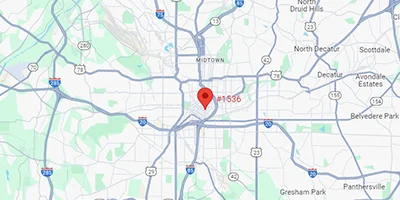
50 Hurt Plaza S.E. #1536,
Atlanta GA 30303
 Get Directions
Spaulding Injury Law:
Alpharetta
Personal Injury & Car Accident Lawyer
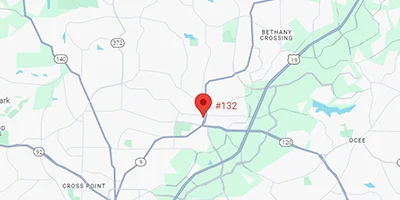
44 Milton Ave #132
Alpharetta, GA 30009
 Get Directions
Spaulding Injury Law:
Cumming
Personal Injury & Car Accident Lawyer
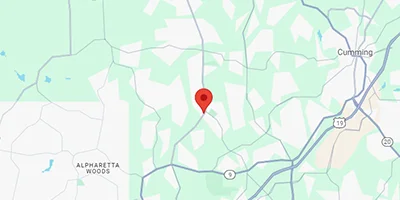
5860 Bond St
Cumming, GA 30040
 Get Directions
Spaulding Injury Law:
Lawrenceville
Personal Injury & Car Accident Lawyer
223 Scenic Hwy S #202
Lawrenceville, GA 30046
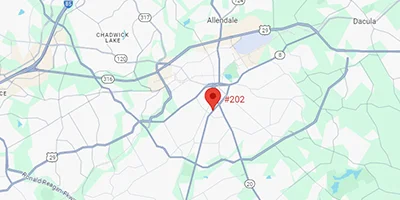 Get Directions