
Why Is It So Important To Send A Spoliation Of Evidence Letter After A Georgia Truck Accident?
Before answering this question, allow us to explain what a “spoliation of evidence letter” or “preservation letter” is. This letter is sent to the trucking company for the at-fault driver requesting that it preserve certain evidence or potential evidence that may be relevant to your injury case against it and its driver. It helps fight against the destruction of evidence that is helpful to your Atlanta truck accident lawyer.
Great. You now know what it is but why is it so important?
First, by the time you decide you need to pursue a claim against the trucking company for your injuries, several investigations into how the truck accident occurred have already taken place. This means you are already behind on your investigation into the cause of the accident before you even begin.
Who has already investigated the accident? For starters, law enforcement and/or the DOT or both have likely already conducted an investigation. Most importantly, the trucking company and/or its insurance company have. Once these investigations are done, typically the trucking company is free to repair or replace the truck involved in the accident and can destroy any other evidence related to the cause of the accident.
Second, the DOT only requires trucking companies to keep certain records such as driver logs and on-board computer readings for six months. Therefore, many trucking companies have procedures where this evidence is destroyed immediately after the six-month period has elapsed.
What Sort of Evidence Is Important to Preserve?
Our standard practice is to ask that any relevant evidence regarding the driver, the truck and trailer involved in the accident, and the trucking company regarding maintenance and safety issues be preserved. Here is a list of typical items of evidence that are crucial to request preservation of:
- Driver logs of the at-fault driver;
- On-board computer records;
- Bills of Lading re: the truck and driver;
- Dispatch logs and other records;
- Accident investigation records, photographs, videos, etc.;
- Daily Inspection Reports;
- Drug and alcohol tests taken post-accident;
- Maintenance and inspection records of the truck and trailer involved; and
- Trucking company safety records; employee records; maintenance records.
The above are just a few of the general categories of evidence a good spoliation letter to a trucking company after a truck accident should cover. A good spoliation letter is just one of many reasons why it is always advisable to speak to a qualified truck accident lawyer about the representation of your tractor-trailer accident case. There are simply too many issues to be addressed to protect your rights to go it alone.

We discuss in a separate article all the categories of damages an injury victim can pursue in a personal injury case. One of those categories that warrants a more in-depth discussion is the pursuit of punitive damages. Not all cases will allow for punitive damages and even if you can pursue them in your particular case, there are several things to know about how it works. Let our Cumming wrongful death lawyers explain.
What Cases Can They Be Pursued In?
The short answer is when the injury is caused by the defendant’s very egregious conduct. Think violation of a criminal statute here.
For example, in a typical car accident case, punitive damages cannot be pursued. The defendant is negligent but did not engage in such horrible conduct at the time of the accident to warrant punitive damages.
However, if the car accident was caused by an intoxicated driver for example, punitive damages can be pursued. The defendant violated a criminal statute at the time of the accident. Same if the driver was texting at the time of the collision.
Purpose of Punitive Damages
Georgia allows punitive damages in a civil case as a means to punish the defendant for their egregious conduct that caused injury to another. Again, think of a criminal act that the civil side is punishing through a monetary award to the injury victim.
Let’s take an assault case as an example. The defendant shoots the plaintiff and the plaintiff survives. The defendant will face jail time in the criminal system. The civil system allows the plaintiff to recover against the defendant for his or her injuries, including medical expenses and pain and suffering caused.
The civil system would also allow the plaintiff to pursue punitive damages against the defendant to further punish him or her in a monetary sense for this deplorable conduct.
How Do You Bring A Punitive Damages Claim?
Punitive damages are sought just like the other categories of damages in a personal injury case through alleging them in your complaint against the defendant. The difference comes into play when the case is tried to a jury.
If punitive damages are alleged in a case, the court is required to split the trial into two phases. The first phase of the trial that must be determined by the jury is the traditional personal injury case plus whether punitive damages are warranted.
So in the first phase, the jury is determining what to award the plaintiff for his or her medical expenses, lost wages and pain and suffering and then determining whether punitive damages are warranted in the case. That is it. Just whether punitive damages are just. Not how much to award.
If the jury determines that punitive damages should be awarded to the plaintiff, the second phase of the trial begins. During this phase, the jury hears specific evidence about the defendant’s conduct warranting punitive damages and determines how much to award to the plaintiff.
Capping of Punitive Damages
Since the implementation of tort reform in 2005, punitive damages awards in many cases are capped at $250,000.00. It ultimately depends on the type of case in which punitive damages are being sought whether or not the award is capped.
Punitive Damages Can Change The Value Of A Case
There is no question that the ability to pursue a good punitive damages claim in a personal injury case adds tremendous value to the case. It often has the effect of increasing the value of the pain and suffering calculation as well. This is because jurors are often times more willing to award significant pain and suffering damages to a plaintiff in cases where the defendant’s conduct is egregious.
This is yet another reason why it is recommended that personal injury victims seek a consultation with a qualified and experienced personal injury lawyer early in the process. Knowing whether or not you have a punitive damages claim available to you is something every injury victim needs to know.

A wrongful death claim in Georgia can be quite complicated and confusing for the loved ones attempting to file a claim and even poses unique challenges and areas for error for seasoned wrongful death lawyers. What follows is a guide for both groups to understand as much as possible about the ins and outs of a wrongful death claim in Georgia.
What is the Difference Between A Wrongful Death Claim and An Estate Claim in Atlanta?
A wrongful death claim in its broad sense in Georgia arises when a loved one dies from injuries sustained as a result of the negligence of another. What is not as widely understood is that there are two unique sets of claims that a specific set of claimants have arising out of the death of a loved one: First—what is known as the traditional wrongful death claim, and Second — a separate claim by the estate of the deceased.
- The Wrongful Death Claim — Again this is what is known as the traditional wrongful death claim. In Georgia, this claim is for the value of the life of the deceased taken by the negligence of another. More on how this claim is determined later.
- The Estate Claim — This claim can only be filed by the estate and it is not for the value of the life of the deceased but instead any expenses the Estate has incurred resulting from the injury and death, as well as pain and suffering. More on damages the Estate can pursue later.
If you need to file either one of these claims, contact our wrongful death attorneys today.
What is the Statute of Limitations For Wrongful Death Cases in Georgia?
In Georgia, all persons and/or an estate with a claim arising out of the death of a loved one usually must file suit against the at-fault party or parties no later than two years after the death. Depending on the nature of the claim, the time limit may be longer or shorter.
Here is where it could possibly get tricky for the uninitiated. What if the your loved one survived the initial accident or other incident that led to his or her injuries and then died days, weeks or months later. The statute of limitations in such situations is most often calculated from the date of the negligent act giving rise to the injuries sustained by your loved one. Not when your loved one ultimately died from his or her injuries.
Obviously this is not a huge issue if the span of time between the incident and the death is a matter of days but certainly could become problematic in situations where your loved one survived for months before ultimately succumbing to his or her injures.
BE CAREFUL HERE. You do not want to wait too long to hire a wrongful death lawyer to pursue your claims.
Who Can File A Wrongful Death Suit in Georgia?
It depends on who the survivors are. Georgia law sets up a hierarchy of relatives who have standing to sue for the wrongful death of a loved one. The hierarchy is as follows:
- Spouse and Children: If your loved one is survived by a spouse then the spouse has the right to file suit for wrongful death. If your loved one is survived by a spouse and children then the spouse must file on behalf of himself or herself and the children. The spouse and children then split the award 1/3 to the spouse and the rest split amongst the children in the typical scenario.
- Children: If your loved one was not survived by a spouse, then the children of the deceased have the claim and right to file suit. They would then split the award evenly.
- Parent: If your loved one was not survived by a spouse or children then any surviving parent has the claim and right to file suit.
- Estate: If none of the above have survived, then the Estate has the wrongful death claim and holds the benefits of that claim for whoever is the next of kin under probate law.
The determination of who has the claim and right to file suit and recover compensation via wrongful death settlements or verdicts is determined at the time of death, not at the time of the injury. It is a rare instance where this comes up but you can see the potential issue if a surviving heir who otherwise has the claim dies after injury to the relative but before the relatives’ death. You can read this California wrongful death guide to see how the law may apply different there.
How Much Can You Sue For in A Wrongful Death Lawsuit?
For the wrongful death claim, the recovery is the full value of the life of the deceased. Sounds simple enough but it can get complicated quickly and is exactly why anyone contemplating a wrongful death claim in Georgia should consult with an experienced wrongful death lawyer.
There are two factors a jury can take into consideration, at their discretion, in arriving at what is the full value of the life of the deceased. Before we discuss each, it is important to remember that in Georgia, the full value of the life of the deceased is viewed not from the perspective of what the value of the deceased’s life was to the surviving relatives but the full value of the deceased’s life from his or her own perspective. In other words, what is the value lost by the deceased in not living out the rest of his or her life (i.e. missing raising his or her children; life with his or her spouse; other activities and enjoyments of daily life missed; income potential he or she lost). Not the relative’s loss of enjoyment with the deceased.
The first factor a jury can take into consideration in arriving at a value of life is all economic loss due to the cutting short of his or her life. For example, if the deceased had a salaried position and was making $100,000.00 a year and was 35 at the time of his or her death, the jury could hear evidence of how many more working years the deceased had left times $100,000.00 a year. In addition, the deceased may have been receiving 401K matching benefits or yearly bonus etc. All of this is the economic impact of the loss. The jury does not have to take these figures into account but they can.
The second factor a jury can take into consideration in arriving at a value of the life is the non-economic loss. The jury can take this factor into consideration along with the economic factors or without the economic factors. Here, the evidence of value is the loss of enjoyment of the rest of the deceased’s natural life. Again, this would include a determination first of the life expectancy of the deceased. Then the jury hears evidence from relatives and friends of how the deceased lived his or her life. What they liked to do? Who were they taking care of? How healthy were they?
What Types of Wrongful Death Damages Are Awarded to the Estate?
The Estate claim is first and foremost for all expenses associated with the injury and death of the deceased. This includes ambulance charges, any medical expenses, funeral expenses and any other out of pocket expenses necessitated by the injury and death.
The Estate may also have a claim for the pain and suffering inflicted on the deceased upon being injured and before death. This claim can get very factually complicated and often needs an expert opinion for support. Clear cases would be those where the deceased survived for hours, days, weeks or months before succumbing to his or her injuries.
The difficult but not impossible pain and suffering claim is where the deceased died within seconds or minutes of the injury. The question becomes a medical one of whether the deceased experienced pain before death from the mechanism of injury. We have had cases where upon first presentation it looked like there would be no pain and suffering because death appeared to be instantaneous. However, upon questioning the medical examiner, it was revealed that autopsy findings indicated that the deceased survived seconds or minutes after the incident.
How Wrongful Death Lawyers in Atlanta Can Help With Estate Claims
You have determined that the Estate has claims. Maybe it is just the expense claims. Or maybe there is pain and suffering before death or no one to pursue the wrongful death claim other than the Estate. What do you have to do next to pursue the Estate’s claims?
The first step is to set up an Estate. Does your loved one have a Will that nominates someone to be the executor or executrix of the Estate? If so, it would be best for this person(s) to file the necessary petition to establish the Estate.
It is best to have an estate lawyer help you in filing the petition to set up the Estate and guide the Estate through the process. This is especially so if there are large debts owed by the deceased that will need to be paid by the Estate and/or the Estate’s claims in the wrongful death action are large.
If there is no Will or the nominated person in the Will does not want to be the executor or executrix, someone else needs to step forward as the person to file the petition to establish the Estate. Without an Estate established, no one can pursue the claims of the Estate in the wrongful death action. If there is no Will, either the petitioner or someone else must be elected and approved by the probate court to be the administrator of the Estate.
Once an Estate has been officially established in the county where your loved one lived before death, the representative of the Estate becomes the plaintiff for the Estate in any claims on behalf of the Estate. The way this looks is “So and So, as administrator of the Estate of Your Loved One.” Going forward, it is this representative that has the power to hire a lawyer to represent the Estate in the claim and ultimately is the client who has the right to resolve the claim. Obviously, such power is for the benefit of the Estate and any resolution must be in the best interest of the Estate and thus the heirs of the Estate.
At Spaulding Injury Law, we have several full-time Estate lawyers on staff that establish estates and represent estates in courts throughout Georgia. This makes it seamless for our clients when hiring us to pursue a wrongful death claim. We do not have to delay moving the matter forward to hire an outside lawyer to represent the Estate in probate court or risk making a mistake in probate court as personal injury lawyers trying to represent the Estate in probate court where we don’t have the necessary expertise.
How Much Does it Cost to Hire the Best Wrongful Death Lawyers in Atlanta?
Wrongful death lawyers in Georgia typically handle these cases on a contingency fee basis. This means you owe nothing up front to hire an attorney to handle your claims and you do not owe any attorney’s fees as the claim is being pursued.
Instead, the attorney is paid upon the successful conclusion of the case whether that is a settlement or a verdict obtained after the trial of the matter. Most contingency fee arrangements in Georgia are thirty-three and one-third percent of all amounts recovered if the claims are settled before suit is filed and forty percent of all amounts recovered after suit is filed.
Sometimes these contingency fee figures are increased due to the complexity of the matter. For example, many firms will increase the contingency rates for wrongful death matters involving medical malpractice matters or very complicated and risky premises liability matters.
In addition to the contingency fee arrangements, there are expenses involved in pursuing the claim. For example, it costs several hundred dollars to file a lawsuit in counties throughout Georgia. It costs several hundred to a thousand dollars or more to take the deposition of a witness in the case.
Most attorneys will cover the expenses up front and be reimbursed for these expenses covered for the client at the end of the case in addition to the contingency fee. This allows the client to pursue the claim without having to worry about the financial burden of the claim.
Some firms will require expenses be paid by the client on a monthly basis as they are incurred throughout the wrongful death matter. Often this depends on the riskiness of the claim.
What Insurance Coverage Issues Will Families Encounter During A Wrongful Death Suit?
Insurance considerations are important in any personal injury matter. Without insurance coverage, there is often little point in pursuing the at-fault party. Digging deep to uncover the identity of all responsible parties and what insurance may be available is one of the main tasks of a good wrongful death lawyer.
Of all the types of wrongful death cases, car, truck and motorcycle claims are the most important ones to pay close attention to insurance coverage issues. This is yet another reason why it is vital to hire a good wrongful death attorney to handle your claims.
One of the most important things to look into insurance wise in a wrongful death motor vehicle accident case is what is called UM insurance. Everyone knows to look at the insurance coverage for the at-fault driver. However, what many do not realize is that your loved one’s insurance may provide additional coverage above and beyond that available from the at-fault driver.
Moreover, we have come across several instances where loved ones were told that there was no UM insurance and then when we entered the case, we were able to uncover UM insurance that did apply. In one instance, under Georgia law, we were able to turn what everyone thought was $100,000.00 of combined UM insurance coverage for the family into $1,000,000.00 in UM insurance coverage.
Had the family handled the matter on their own, they would have taken the insurance company at its word that there was only $100,000.00 in coverage and settled for that amount. We were able to get the family 10 times that number.
We Help Grieving Families Recover Compensation After A Wrongful Death
We have been handling wrongful death claims for families of loved ones for over half a century. Our experienced wrongful death attorneys and support staff are here to help families suffering from the sudden and tragic loss of a loved one at the hands of a negligent party. We know how to prove a wrongful death has occurred, and we will work tirelessly to recover compensation for your family.
Feel free to give us a call at (770) 744-0890 if you have any questions about your potential wrongful death claim or would like us to review your claim for consideration.
Georgia Statute of Limitations For Car Accidents

Why It’s So Important To Pay Attention To The Limitation?
As Alpharetta car accident lawyers we must tell you that the statute of limitations is by far the most important deadline to know and keep in mind in the pursuit of your claims arising out of a car accident in Atlanta or elsewhere in Georgia. This is so because the statute of limitations is the last day on which you have to file a lawsuit against the party that caused the accident before you forever lose your right to pursue your claim.
Keep in mind this is not the same thing as calling your insurance company or the at-fault parties insurance company to notify them of the accident and your claim. This is actually filing a lawsuit against the at-fault party for compensation for your losses.
Two Different Limitations Periods In Your Car Accident Case
In a car accident in Georgia, you have two separate claims. Each has a separate statute of limitations.
The first claim is for property damage suffered to your vehicle. The statute of limitations to pursue damage to your vehicle is four (4) years in Georgia.
The second claim you have against the at-fault party is for your injuries. The statute of limitations to pursue your personal injury claim is generally two (2) years in Georgia.
We say “generally” because there are a few exceptions to the standard two-year statute of limitations that typically do not apply in most car accident cases. For example, in Georgia, if you were injured in an accept while under the age of majority, then the two-year statute of limitations does not begin to run until after you reach the age of majority. Thus, allowing you many more years to pursue your claim in this situation. In other States for instance, In Texas, a car accident victim must file a lawsuit against the at-fault party within two years of the date of his or her accident.
In conclusion, you must be mindful of the statute of limitations applicable to your car accident claims. Procrastination on either claim could result in the inability to recover anything for your losses. As always, whether it is a lawyer at our firm or another lawyer of your choosing, it is recommended that you speak to an experienced car accident lawyer in Georgia to learn more about your rights after a car accident.
Learn More About Your Car Accident Claim
To learn more about various aspects of a car accident claim or case in Georgia and the law surrounding car accident injury claims, feel free to read any of our additional car accident articles or blog posts on various accident-related topics or call one of our car accident lawyers today.
As a car accident law firm, it is a standard question you will hear immediately upon contact from the at-fault parties auto insurance company or corporate home office after a car accident or personal injury such as a premises liability claim: “We would like you to give a recorded statement.”
The car accident adjuster will make contact with you in very short order after the crash and explain that it is standard procedure for them to need two very simple things: 1) a recorded statement regarding what happened and 2) a medical release so they can collect your medical records and bills. Seems like a very reasonable requests and the insurance company is being helpful to you, right? Wrong.
The Other Insurance Company Wants A Statement. Am I Required to Provide One?
No. There is absolutely no requirement, much less a legal duty under Georgia law, to provide a recorded statement to the at-fault party’s insurance company. The insurance company is only asking in the hopes of helping themselves defend against your personal injury claim later.
That is exactly why often times immediately after the car wreck, you will receive an initial letter from the adjuster introducing himself or herself and stating that they will close their file if you do not make contact; provide a statement, and fill out the medical release form sent along with the letter. You can ignore this letter altogether because all that matters is that you do not wait to pursue your case past Georgia’s Statute of Limitations (2 yrs.).
The insurance company can and will re-open the file any time it receives information from you, including a copy of a lawsuit. You may and should totally ignore these tactics by Georgia car insurance companies because they are just that, tactics to protect the insurance company, not you!
Why Should I Not Give A Recorded Statement When Filing An Insurance Claim in Alpharetta?
After all, I have nothing to hide? While it is true you have nothing to hide, adjusters are trained in how to get admissions out of you without you even knowing that you are helping them defend against an otherwise defenseless case with tricky or open-ended questions that when replayed to a jury out of context appears to be an admission by you to such things as not being badly hurt.
They may try to get you to admit that you did not do anything to avoid the collision, even if there was nothing you could have done. They may try to trick you into admitting something that was not true such as how fast you were going at the time, how far away their driver was from you before the collision, or what you did or did not see at the time.
Again, adjusters are trained to conduct these interviews and to secure testimony that makes it less likely that their driver is to blame or simply corners you into that testimony later in the case when it becomes important. These tactics are designed to drastically lower the value of valid car accident claims.
Should I Authorize the Release of My Medical Records During the Insurance Claim Process?
You may now be thinking, well that makes sense but certainly the medical release request at least a fair request? Wrong, again.
Remember, insurance companies do not do anything to protect your interests. Insurance companies in Georgia will use an executed medical release to collect every medical record for all past treatments to help begin to build a defense to your injury claim that you suffered from pre-existing conditions that explain why you are injured not the crash itself.
To top it all off, the insurance company will not even provide you with copies of what they have collected on you. Never provide a medical release to the insurance company. It can only hurt you.
The insurance company has no legal right to require this release when handling auto insurance claims. You are the only one who should be providing the insurance company with your medical records and billing statements for the treatment received since the injury in question, only. For this reason and many others, if you have a serious injury, hire an Alpharetta car accident attorney with experience dealing with insurance companies and corporate home offices before you do something that hurts your claim.
How Experienced Alpharetta Attorneys Handle These Requests in Accident Claims
Clients often ask us, “Should I talk to the other insurance company after an accident?” We tell our clients that the best way to handle these requests is to politely decline to give a recorded statement. Tell the adjuster that you will certainly provide him or her with all related medical records and bills as well as the police report in order for the insurance company to have all the information it needs to make an informed decision about settlement.
We further tell our clients to politely decline to sign the medical authorization form and instead tell the adjuster you. Contact our attorneys today to learn more about how insurance claims work.
How to Choose the Best Car Seat for Your Child?

As parents, we want to protect our children in every situation. Unfortunately, even the everyday, the average car ride can pose a significant danger if your child is not safely secured in the right car seat. At Spaulding Injury Law: Atlanta Personal Injury & Car Accident Lawyer, we know how many options there are out there for car seats. Personal injury attorney Ted Spaulding has four children himself, including one younger than 1. He and his wife have plenty of firsthand knowledge from researching car seats, installing them, swapping them out, and buckling up little ones. As an Atlanta motor vehicle accident lawyer, Ted has also seen how a good car seat can protect a child in the event of a crash. That’s why he wants to empower parents to choose the best car seat for their children.
Selecting the Right Type of Car Seat Based on Your Child’s Age
INFANTS & TODDLERS
Rear-Facing Car Seats: From birth to 12 months, your child should be secured in a rear-facing car seat. These seats are designed to cradle your little one’s body and protect your baby’s neck and spinal cord. Keep your child in this type of seat for as long as possible (until he or she outgrows the height and weight limit). Typically, children can stay in a rear-facing car seat until they are 2 or even 3 years old.
TODDLERS & PRESCHOOLERS
Forward-Facing Car Seats: When your little one outgrows the rear-facing seat, he or she will graduate to a forward-facing car seat with a harness and tether. This type of seat helps limit your child’s movement in case of an accident. Children typically move into these seats around the age of 2 or 3. They may continue to use them into their early elementary school years, depending on height and weight limits.
SCHOOL-AGE CHILDREN
Booster Seats: Children should transition to a booster seat when they outgrow their forward-facing seat. The booster seat ensures your child is in the correct position for the car’s seat belt to fit properly. Children in booster seats should remain in the back seat.
When to Move to the Next Seat?
Check the manufacturer’s height and weight limits. Do not move your child into the next type of car seat until your kiddo reaches those limits.
Which Car Seat is The Best Choice for Your Baby?
It’s easy to get overwhelmed by the number of car seat choices out there. Depending on how far ahead you want to plan, you could purchase:
- Infant-Only Car Seat (rear-facing)
- Convertible Car Seat (changes from rear-facing to forward-facing)
- Combination Car Seat (changes from forward-facing to booster)
- All-in-One Car Seat (changes from rear-facing to forward-facing seat to booster)
- Booster Seat with High Back (for head and neck support)
- Backless Booster Seat
Installing Your Car Seat
First-time parents can attest to the frustrations (and fears) of installing a car seat. Check both your vehicle’s owner’s manual and the car seat instructions to ensure you are installing it properly.
LOWER ANCHORS
Many cars have lower anchors in the back seat. Check in the seat’s crevice where the regular seat belt buckles are found. The car seat will clip into these anchors on either side.
TETHER ANCHOR
Most cars have tether anchors to secure the top of a forward-facing car seat to the vehicle. Look for the tether anchors on the back of the back seat, on the rear shelf, or on the ceiling.
SEAT BELT
If necessary, you can use the car’s seat belt to secure the car seat. But do not use this in addition to the anchors and tether
You Are Not Alone! A Car Seat Inspector Can Help!
A certified technician can install and inspect your car seat for free, in most cases. Find a car seat inspection station near you.
REGISTERING YOUR CAR SEAT
Be sure to fill out and mail in the registration card for your car seat. This allows the manufacturer to notify you in case of a recall.
CHECKING FOR CAR SEAT RECALLS
You can check for recalls by calling the National Highway Traffic Safety Administration Vehicle Safety Hotline at 1-888-327-4236 or by visiting the NHTSA website.
Contact a Car Accident Lawyer in Georgia
If you’ve been involved in a car accident in Georgia, our experienced car accident lawyers at Spaulding Injury Law are here to assist you. Contact us for more information.
Rain and Wet Roads Greatly Increase Your Risk of Being Injured in an Atlanta Car Accident

If you live in the metropolitan Atlanta area, you know driving on our congested streets can be a dangerous proposition at any time, but our interstates and surface streets become even more treacherous on rainy days. According to USClimateData.com, our city experiences rainfall an average of 117 days per year or just over twice per week. So at least two times per week, most Atlantans are on the road driving with the enhanced dangers of falling rain and/or wet pavement. This is where our car accident law firm can help.
According to the Federal Highway Administration, nearly one-fourth of all vehicle crashes nationwide are weather related. Of those weather-related crashes, 74% occur on wet pavement and 46% occur during rainfall. By comparison, only 12% occur on icy pavement and only 14% occur on snowy or slushy pavement. So rainy wet roads on average contribute to more than 5 times as many accidents nationwide as wintry, icy roads. Drivers tend to slow down and give ice and snow much more respect in their driving than they do in the much more common rainy weather. However, because the dangers of rainy conditions and wet pavement are not appreciated by many drivers, rainy weather can be much more dangerous than wintry weather.
Rain causes driving hazards including:
- Decreased visibility
- Decreased tire traction
- Hydroplaning
- Brake failure due to wet brakes
In Georgia, the law requires all drivers to turn their headlights on when it is raining or at any other time when weather conditions do not permit drivers to clearly discern vehicles or people at least 500 feet in front of them. Requiring headlights is as much if not more about helping other drivers clearly see your vehicle as it is about helping you be able to see better. In addition to the headlight requirement, Georgia law also requires that drivers not drive at a faster speed than is safe and appropriate for the weather conditions. Thus, while the posted speed limit on a roadway may be 55 mph during good weather, when it is raining it may be unlawful to travel at 55 mph on that same road if it cannot be done safely. Many accidents are caused on rainy days by drivers whose only violation of Georgia law is simply driving too fast for the weather conditions even though they were not technically speeding. This is still a misdemeanor violation of Georgia law and can lead to a fine in criminal court and civil liability for negligent driving.
What should you do if you are injured in an accident caused by a negligent driver’s failure to take precautions in rainy weather? First, you should always call 911 to report the accident and make sure all injured parties receive immediate medical attention. Tell the responding police officer as much detail about how the accident occurred as you can remember and tell them everywhere on your body that you believe you may be injured. Most people have a tendency to downplay their injuries and not mention them all to the officer or EMT’s. However, because the police officer and EMT’s are making a report of what happened, it is important to tell them everything so that their reports are as complete as possible.
One of the first things the insurance company will be looking at when you file your injury claim is the injuries you reported on the scene to the police office and EMT’s. While not all injuries manifest themselves immediately after an accident, if you know of an injury and don’t report it to the officer then it gives insurance grounds to question whether it was truly caused by the accident when you later seek compensation for it.
Another important thing to do if possible after an accident on a rainy day is to take pictures of the scene of the accident. Particularly if it is continuing to rain, there is a temptation for many drivers involved in rainy weather accidents to just stay inside their cars throughout the police investigation. However, if you can do so safely, it is important to get out and take pictures of the accident scene during the rainy conditions because those conditions can never be exactly duplicated again to show the insurance company what it was like at the time their insured caused the accident that injured you.
Good personal injury attorneys can try their best to re-create the conditions to take demonstrative photographs the next time it rains at that location, but it will be virtually impossible to re-create the exact lighting conditions and exact amount of water on the road as existed at the time of your accident. So if you can safely photograph the scene at the time of the accident it is important to do so. If it is not safe to get out of your vehicle, then you should not do so, and should try to just take the best photos you can from inside your vehicle to at least depict the weather and lighting conditions outside.
Once you leave the scene of the accident, you should seek medical treatment right away for any injuries, and follow the treatment instructions of your treating physician. After that, contact an experienced Atlanta car accident attorney to discuss your case and your rights before having any contact with the at-fault driver’s insurance company.
What is the Georgia Helmet Law For Motorcyclists?
As a motorcycle accident lawyer in Atlanta, I can tell you that Georgia law requires all operators of motorcycles and those riding on a motorcycle to wear a regulation compliant helmet at all times while the motorcycle is moving. Under the law, a compliant helmet must be what in rider terms is frequently referred to as a “DOT helmet.” In other words the helmet must met the Federal safety standard to ensure adequate protection.

Unfortunately, many of the popular, cool looking helmets are not DOT helmets. Before purchasing a helmet make sure it has a sticker or other packaging indicating that it meets the Federal safety standards. If it has a sticker, you are going to want to keep that sticker on the helmet. If it does not have a sticker, keep some packaging material that identifies your helmet and reflects that it meets the requirements.
A violation of Georgia’s helmet law is a misdemeanor which carries with it a fine of up to $1,000.00 and a year in jail. In reality, no one goes to jail for these violations but hefty fines are frequently imposed. In the context of a motorcycle injury case, the ramifications for not wearing a helmet at the time of a wreck can be severe. If you have been injured in a crash, contact a motorcycle accident attorney as soon as possible.
How Wearing DOT Approved Motorcycle Helmets Can Affect Your Personal Injury Claim
In any personal injury case whether it be a motorcycle accident or other incident, the jury has to apportion fault for the injuries sustained to the plaintiff. Often times this means an effective defense against a personal injury case is to blame the plaintiff for causing his or her own injuries in the accident. Motorcycle accident injury plaintiffs have to face this sort of defense much more frequently than other plaintiffs in court. Our motorcycle accident attorneys recommend that you do not give the defense a perfect opportunity to argue that you caused your own injuries by not wearing a required helmet.
When Does My Failure to Wear A Helmet Affect My Motorcycle Accident Settlement or Verdict?
When your case involves injuries to your head, having not worn a DOT helmet at the time of the wreck could impact your case severely. This often comes up when a rider faces brain damage from the motorcycle accident. If he or she was not wearing a DOT helmet and the defense can prove that had the right helmet been worn the plaintiff likely would not have received brain injuries or as severe of an injury, the plaintiff could receive no compensation at all.
This is equally the case when the injuries are visible damage to the head or face. For example, if a rider sustained a fractured skull in the accident and the defense can show that it is very unlikely the fracture would have happened at all had the right helmet been worn, the plaintiff may not recover.
If the injury sustained has nothing to do with the head, for example a broken leg, whether or not the rider was wearing a helmet should not play a role in whether the plaintiff obtains full compensation for his or her injuries. I say “should not” because the defense will still try to get into evidence the lack of a DOT helmet in hopes of tainting the jury against the motorcyclist plaintiff. This is an example of why it is important to have a motorcycle accident lawyer handle your motorcycle accident case because we always require the Judge to instruct the defense attorney not to bring up in front of the jury the violation of the helmet law by the client.
An Important Note About Comparative Fault in Motorcycle Accident Cases in Atlanta
Keep in mind that Georgia law still allows a plaintiff to recover compensation in most instances where the jury believes the plaintiff was somewhat at fault for his or her own injuries. Under Georgia law, so long as the jury only finds the plaintiff less than 50% at fault, the plaintiff can recover compensation. However, the plaintiff will only recover that percentage of the value of his or her case the jury believes the defendant is at fault for. For more information, contact our motorcycle accident lawyers today.
Contact Spaulding Injury Law After A Motorcycle Accident in Atlanta
Do not put yourself at risk of serious injuries and do not give the insurance company and the defense a way to deny you a just recovery. Use a DOT compliant helmet each and every time you ride. If you are involved in a motorcycle accident anywhere in Georgia, feel free to give an Atlanta motorcycle accident lawyer at Spaulding Injury Law a call to discuss your case.
Will Airbags Deploy if the Car is Off?
No, your car’s airbags will not deploy when the car is off.
Manufacturers equip the vehicles we drive with airbags to help keep us safe in the event of a collision. Airbags are deployed when the sensors detect a specific amount of impact in a specific area of the car, and the implementation of this safety mechanism has saved many lives since it became standard in all cars.
There are instances, however, in which airbags are not activated for a range of reasons, and one of these is when your vehicle has been off for a bit, such as in a parking lot. Our Atlanta car accident lawyer can help you with any claim,
Airbags Save Lives
The Insurance Institute for Highway Safety (IIHS) forwards a range of statistics – from a variety of sources – regarding just how effective airbags are at helping to save lives in car accidents, including:
- Front airbags have saved an estimated 50,457 lives since 2017.
- In front crashes, airbags decrease driver fatalities by 29 percent and decrease front-seat passenger fatalities for those who are at least 13 years old by 32 percent.
- Side airbags have saved an estimated 2,252 people’s lives since 2012.
Airbags Can Also Cause Injuries
The immense burst of energy required to quickly inflate an airbag can lead to serious injuries for anyone who is sitting too close to the pre-deployment airbag or who is thrown too close in the course prior to deployment. This concern was more significant, however, with earlier models, and they were most closely associated with the following:
- Low-speed crashes
- Lack of seat belt usage
- Improperly used child safety restraints
- Sitting too close to the steering wheel
Today, IIHS reports that serious injuries from properly functioning airbags are rare. However, they do happen. Airbags can be defective and deploy when unnecessary, catching occupants unaware and causing severe injuries. Even safety features can cause injuries when they do not work properly. Seek legal help from our auto accident lawyer if you get hurt by a defective airbag.
When Your Car Is Off
Once your car is turned off, it won’t deploy your airbags because the power necessary to trip the bags is no longer available. This said, however, there can be some power left in your vehicle’s circuit for up to an hour after turning it off, and this residual power may be adequate to deploy the airbags during this time frame.
After about an hour, however, your airbags will not deploy when your car is off, which can leave you vulnerable to parked car accidents. It’s important to note that your car doesn’t have to be running for it to be on – even having your key turned to accessory mode will do the trick for tripping the airbags. You can be sitting in your car in a parking lot and have the airbags suddenly deploy if your key is in the ignition.
When no Passenger Is Detected
Airbags don’t deploy when passengers, including the driver, are not detected in the vehicle. This means that if your car is parked and turned off – even if it is within the window in which an airbag could be deployed – your vehicle will detect an absence of passengers and, as a result, will not deploy. If you are in your car during the few minutes when power remains available, factors such as the following can interfere with the deployment of airbags:
- There is a light passenger, such as a child, in one of the seats who doesn’t trip the sensor
- You aren’t wearing a seat belt (for some vehicle makes)
Airbags are designed to protect the occupants of vehicles, and when there are no passengers, there’s no one to protect.
Parked Car Accidents
Once you make it to your destination and park, we tend to sound the internal all clear, but the truth is that you can be injured in a parked car accident. When you’re parked on the side of the road, the traffic all around you can reach significant speeds, and if your vehicle is struck, the impact can be considerable.
A Parking lot, on the other hand, tends to be a driving free-for-all in which far too few motorists take the rules seriously. When you’re in your car in a parking lot, another driver can back into or drive forward into your vehicle with significant force that can lead to significant injuries.
An Experienced Atlanta Car Accident Attorney Is on Your Side
The Food-O-Rama Food Truck Festival is all about fun and good times, but accidents can happen. If someone else’s negligence leaves you injured, the skilled Atlanta personal injury attorneys at Spaulding Injury Law are standing by to help. We are on your side, so please don’t delay reaching out and contacting or calling us at 770-744-0890 for more information today.
If you are injured in a car wreck caused by another driver, you will likely find yourself with a wide range of bills and out of pocket costs. Your vehicle will need repairs, you may have to rent a car in the interim, you will have medical bills and prescription bills, and you may miss time from work as well.
Insurance Coverage Overview
When the crash is not your fault, it is not fair for you to have to pay for any of those bills, and that is where insurance and the civil justice system come into play. All drivers are required by law to carry at least a minimum amount of liability insurance coverage on their vehicles in the State of Georgia.
Unfortunately, the minimum coverage amount is only $25,000.00. Therefore, an at-fault driver’s auto liability insurance covers at least some of the bills that result from a car accident.
Liability insurance policies on motor vehicles in Georgia offer coverage for both property damage (vehicle repairs or replacement if the vehicle is deemed a total loss) and personal injuries (including pain and suffering and lost wages) that may result when the insured party causes a vehicle crash. When an insured person causes a crash, their insurance company is required by law to conduct a prompt investigation into the claim to determine if their insured is at fault, and, if they are, to pay the bills that can reasonably be shown to have resulted from the crash.
The good news is the minimum coverage limits apply separately for property damage and personal injury. For example, a policy may provide $25,000 for property damage and an additional $25,000 for injuries.
In such an event, the most the insurance company would have to pay to repair or replace your damaged vehicle is $25,000. Likewise, the most they would have to pay toward your medical bills and other out of pocket injury-related expenses is $25,000.
If your bills exceed $25,000, you would be responsible for any costs beyond the limits of liability insurance coverage unless you have what is known as Uninsured or Underinsured Motorist (UM) coverage on your own insurance policy. (For more info on UM coverage, click here).
Once you know the limits of insurance coverage available to you, the next question becomes which of your bills must the insurance company pay when their insured driver causes a crash? The general rule is the insurance company for the driver who caused the crash must make you “whole.” When you have been involved in a car crash, what does it take to make you “whole” again or put you back in the position you were in right before the crash?
Atlanta Personal Injury Lawyer
If you are reading this article, you are likely most interested in knowing what you are entitled to in a car accident for your injuries. For that reason we will start with a look at the various items of damages you may be entitled to from the insurance company(s).
Medical Bills
If you are injured in a car accident, there are several different items of damages you are entitled to from the insurance company. Making you whole here means the insurance company pays your medical bills even if you have health insurance which will also pay toward your bills.
The auto liability insurance company (and your UM if applicable) is responsible for paying the entire amount of all medical bills resulting from the crash, not just your out of pocket co-pay amounts if you happen to have health insurance. BE CAREFUL HERE. We have heard of insurance adjusters telling people insurance will only cover what you pay out of pocket. NOT TRUE!
The liability insurer does not get to benefit from the fact you have health insurance to reduce your medical bill, and they have to pay you what the full amount of your medical bill would have been had you not had health insurance. You can find this amount by obtaining your medical bill straight from the doctor’s office or hospital instead of getting it through your health insurer which may only show the reduced amount they paid or the copay you paid.
The same is true of your pharmacy bills for medication and for any other out of pocket costs you incur for medical treatment of the injuries you sustained such as over-the-counter medication, braces, or splints that you purchased on your own. As long as it was reasonably necessary to treat injuries caused solely by the crash then the insurance company has a legal obligation to pay you those amounts as part of your personal injury claim.
Lost Wages
The next item of damage you have a right to if you have a loss, is any lost wages for time missed from work. Even if you did not actually lose any salary because your job affords you paid leave that you used while you were injured and unable to work, the liability insurer is still required to pay you for the time you missed from work as though you did not have paid leave.
Just like the insurer cannot benefit from the fact you have health insurance to help pay your medical bills, they also cannot benefit from the fact your employer offers you paid leave to cover the time you were unable to work. The leave you used is no longer available to use for future illness, and the insurance company is required to compensate you for that as “lost wages” even though you did not actually lose any money.
Pain and Suffering
Lastly, making you whole also includes compensating you for your pain and suffering. If, for example, you break your leg in the crash, simply paying your medical bills and your lost wages does nothing to make you whole for the fact you were unable to walk normally for a couple of months and your previously healthy leg was painful and unusable for that time period.
This is what pain and suffering compensation is designed to cover. Calculating fair compensation for pain and suffering is the most difficult component of any personal injury claim because there is no set formula for converting your pain and disruption of normal life due to your injuries into dollars and cents.
Most people would give anything to simply go back to the way they were before the crash. It is impossible to come up with any dollar amount that makes them feel whole again for pain and suffering that may be long-lasting or even permanent.
Pain and suffering damages are usually the battleground where attorneys and insurance companies fight the most because unlike medical bills and lost wages, which are fixed amounts, there is nothing fixed about pain and suffering damages. They are unique to the person who experienced them and no two cases are exactly alike.
Ultimately, in our civil justice system, your pain and suffering damages are worth whatever a jury of your peers after a lawsuit and civil trial decides they are worth. Generally, they are calculated by multiplying the total of your medical bills and lost wages by some multiple.
In egregious cases, a jury may calculate pain and suffering by multiplying your bills by 10 or more while in minor cases a jury may award little to nothing for pain and suffering. It is impossible to predict what a jury will do, but using historical data from previous verdicts, insurance companies and personal injury attorneys can make educated guesses as to the likely value of your pain and suffering award if you were to take the case to trial and will use that to guide their settlement negotiations.
Property Damage Claim
The first thing you are entitled to in a car accident in Georgia is reimbursement for the damage caused to your vehicle. This means either full repair of the vehicle to the condition it was in before the wreck or if totaled, payment to you of the value of the vehicle. If repaired, you would have an additional right to payment of the difference in the value of the vehicle before the wreck and after repaired.
Vehicle Repairs
Before the crash your vehicle probably was not damaged and was more valuable than it is now after the crash. Making you whole in this context means the insurance company must pay to repair your vehicle and restore it to the good working condition it was in prior to the crash.
They also must pay you for the fact that because your vehicle has now been wrecked it is likely worth less money than it was when it had never been wrecked. That difference is called diminished value.
The newer your vehicle was and the more extensive the repairs were, usually the more significant your diminished value will be. Wrecking a 15-year-old non-classic car diminishes the value far less than wrecking a brand new, fully loaded car.
While your vehicle is being repaired, making you whole would seemingly also mean providing you with a temporary replacement vehicle. Generally, insurance companies will pay for a rental car for a set number of days while your vehicle is being repaired, but not every insurance company will do this if their policy does not cover it.
If the at-fault driver’s insurance only covers repairs but does not cover a rental car you may be able to obtain rental car coverage through your own insurance policy.
Vehicle Replacement
If your vehicle cannot be repaired or the repairs and diminished value combined would cost more than a certain percentage of the vehicle’s market value, the insurance company may deem your vehicle a total loss, which is commonly known as your vehicle being “totaled.” If your vehicle is totaled, making you whole under the law does not mean providing you with a new or comparable vehicle.
Making you whole under the law means the insurance company must pay you the fair market value of your vehicle in the condition it was in prior to the crash, which theoretically would enable you to purchase the exact same vehicle again if you could find it on the market. The insurance company also must pay you for any personal property you had in the vehicle that was damaged or destroyed during the crash.
Unfortunately, this means there may be a gap between what you still owe on the vehicle and what the insurance company must pay you for your totaled vehicle. Again, the insurance company, unfortunately, has no responsibility to pay off your vehicle to cover this gap. You would be left having to pay the rest owed on the vehicle even though it was totaled.
Conclusion
The insurance company is required to pay all of these categories of damages to make you whole if you are involved in a car crash caused by another driver. The best way to ensure you get all of the compensation you deserve after a car crash is to contact an experienced personal injury attorney and schedule a consultation to discuss your case before you speak to anyone at the insurance company.
To learn more about the compensation you are entitled to after a car crash contact the experienced Atlanta car accident attorneys at Spaulding Injury Law. Call our Atlanta office today at (770) 744-0890 for a free consultation.
Connect with us


- November 2025
- October 2025
- September 2025
- August 2025
- July 2025
- May 2025
- April 2025
- March 2025
- February 2025
- January 2025
- December 2024
- November 2024
- October 2024
- September 2024
- July 2024
- June 2024
- May 2024
- April 2024
- March 2024
- February 2024
- January 2024
- December 2023
- November 2023
- August 2023
- June 2023
- May 2023
- April 2023
- March 2023
- February 2023
- August 2022
Archives
- Alpharetta
- Atlanta
- Atlanta Legal Service
- Back Injuries
- Brain Injuries
- Car Accidents
- Construction Accident
- Covid-19
- Cumming
- Dog Bites
- FAQs
- Firm News
- Georgia
- Gwinnett County
- Interview
- Lawrenceville
- Motorcycle Accidents
- Negligent Security
- Pedestrian Accidents
- Personal Injury
- Premises Liability
- Property Damage
- Slip and Fall Accidents
- Spaulding Injury Law Service
- Swimming Pool Accidents
- Train Accidents
- Truck Accidents
- Uncategorized
- Video
- Wrongful Death
Categories
Spaulding Injury Law:
Atlanta
Personal Injury & Car Accident Lawyer
50 Hurt Plaza S.E. #1536,
Atlanta GA 30303
 Get Directions
Spaulding Injury Law:
Alpharetta
Personal Injury & Car Accident Lawyer
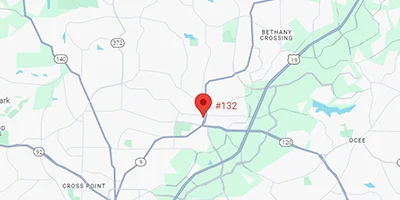
44 Milton Ave #132
Alpharetta, GA 30009
 Get Directions
Spaulding Injury Law:
Cumming
Personal Injury & Car Accident Lawyer
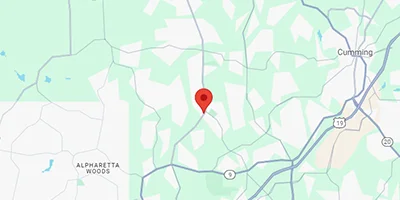
5860 Bond St
Cumming, GA 30040
 Get Directions
Spaulding Injury Law:
Lawrenceville
Personal Injury & Car Accident Lawyer
223 Scenic Hwy S #202
Lawrenceville, GA 30046
 Get Directions