
Legal Guide to Handling a Totaled Car in An Accident Claim
FREE Injury Consultation
Submit your details or call 470-380-0144
Once your information is submitted, a team member will be in touch within 1-2 Hours

















Atlanta Car Accident Lawyer Explains How to Handle a Totaled Car When You Still Have a Loan
Getting into a car accident is stressful enough. But discovering your vehicle is totaled while you still owe money on it? That can feel like financial disaster knocking at your door. This scenario—known in the industry as being "upside down" on your car loan—leaves thousands of drivers each year scrambling to figure out how to pay off a vehicle they can no longer drive.
Here's the hard truth: the at-fault driver's insurance company only owes you what your car was worth immediately before the crash—not what you still owe on it. If you owe $25,000 but your car's fair market value was only $18,000, you're left holding a $7,000 gap that no one else is legally required to cover.
As a personal injury trial attorney with over 20 years of experience in Georgia, I've guided countless clients through this exact situation. While there's no magic wand to make the problem disappear if you're already in this position, there are strategic steps you can take to protect yourself—both now and in the future.
Understanding the Gap: Why You Might Owe More Than Your Car Is Worth
Before we dive into solutions, let's clarify why this gap exists in the first place.
When you finance a vehicle, depreciation works against you immediately. A new car can lose 20% or more of its value the moment you drive it off the lot. Meanwhile, your loan balance barely budges in those early months since most of your payments go toward interest, not principal.
Fast forward a year or two. You've been making payments, but your car has been depreciating faster than you've been paying down the loan. Then you're hit by another driver. The insurance company determines your car's actual cash value (ACV)—what a willing buyer would pay for your specific vehicle in its pre-accident condition. That ACV is often significantly less than what you still owe your lender.
Georgia law is clear on this point: you're only entitled to recover the fair market value of your vehicle at the time of the collision. The insurance company isn't responsible for your outstanding loan balance, your monthly payment amount, or how much you originally paid for the car. They owe you one number: the ACV.
This leaves you in a painful position—receiving a settlement check that won't fully pay off your loan, yet still being legally obligated to pay the difference to your lender.
Step 1: The Best Protection—Gap Insurance (Before an Accident)
If you're reading this before you've had an accident, congratulations. You still have time to protect yourself with the single most effective tool available: gap insurance.
What Is Gap Insurance?
Gap insurance is a specialized coverage that does exactly what its name suggests—it covers the "gap" between what your totaled vehicle is worth and what you still owe on it. It's additional protection beyond standard auto insurance, and it can save you thousands of dollars if you're ever in a total loss situation.
How Gap Insurance Works
- You settle your property damage claim with the at-fault driver's insurance company (or your own collision coverage if necessary)
- That settlement pays out the actual cash value of your vehicle—the maximum you're legally entitled to recover
- The insurance payment goes directly to your lender to pay down your loan
- If there's still a balance owed, you file a claim with your gap insurance carrier
- Gap insurance covers the remaining difference, leaving you with zero debt on a vehicle you no longer have
Who Needs Gap Insurance?
- You're financing a new or nearly-new vehicle
- Your down payment was less than 20% of the purchase price
- You have a loan term longer than 60 months
- You're leasing (some lease agreements include gap coverage automatically)
- You rolled negative equity from a previous vehicle into your current loan
How Much Does Gap Insurance Cost?
- $20–40 per year when added to your existing auto insurance policy
- $400–700 as a one-time fee through your car dealership (usually financed into your loan)
Pro tip: Buying gap insurance through your auto insurance company is usually significantly cheaper than purchasing it through the dealership. Call your insurance agent before you finalize your vehicle purchase.
When Should You Buy Gap Insurance?
The best time is immediately when you purchase or lease your vehicle. Most insurance companies and lenders require you to buy gap coverage within the first 30 days of ownership. Waiting until after an accident is too late—you can't buy gap insurance retroactively.
When Can You Drop Gap Insurance?
Once your loan balance drops below your vehicle's value (you can check this using Kelley Blue Book or similar resources), you can cancel the coverage and potentially get a prorated refund.
Step 2: Minimizing Your Loss (After an Accident Without Gap Insurance)
If you're already in a situation where your car has been totaled and you don't have gap insurance, you're facing an uphill battle. However, you're not completely without options. The goal now shifts to minimizing the financial gap as much as possible by maximizing your property damage settlement.
Understanding the Insurance Company's Initial Offer
When the insurance adjuster contacts you with their valuation of your totaled vehicle, understand this critical point: their first offer is rarely their best offer.
Insurance companies use automated valuation systems that may:
- Miss recent upgrades or modifications to your vehicle
- Use comparables from a wider geographic area where prices are lower
- Undervalue your vehicle's condition before the accident
- Fail to account for low mileage or special features
How to Negotiate a Higher Settlement
- Document Everything About Your Vehicle: Gather maintenance records, receipts for upgrades, photos, and documentation of special features.
- Do Your Own Research: Use Kelley Blue Book, Edmunds, NADA Guides, and AutoTrader listings for similar vehicles in your area.
- Account for All Upgrades and Add-Ons: Include premium audio systems, upgraded wheels, performance modifications, and accessories.
- Challenge the Comparables: Request the data the insurer used and point out inaccuracies with your own research.
- Get an Independent Appraisal: Consider hiring an appraiser if the gap is $3,000 or more. It may pay off significantly.
- Understand Your State's Total Loss Threshold: In Georgia, a vehicle is typically considered totaled when repair costs exceed 75% of its value.
What If Negotiation Isn't Enough?
- Consider Your Loan Agreement Terms: Some lenders offer hardship programs or settlements.
- Explore Refinancing the Remaining Balance: You may be able to refinance as a personal loan for lower payments.
- Understand the Credit Impact: Defaulting will damage your credit and could lead to legal action by your lender.
The Reality of Total Loss Claims: What You're Entitled to Recover
Under Georgia law, you're entitled to recover:
- The Actual Cash Value (ACV) of Your Vehicle: The fair market value immediately before the accident, considering year, make, model, mileage, and condition.
- Sales Tax on a Replacement Vehicle: Usually recoverable when buying a replacement car.
- Rental Car Expenses: Typically covered for 2–4 weeks while the claim is settled.
- Title and Registration Fees: Recoverable for your replacement vehicle.
What You're NOT Entitled to Recover
- The amount you still owe on your loan
- Your monthly payment amount
- What you originally paid for the vehicle
- The cost of a brand-new replacement
- Personal or sentimental value
- Unrealized depreciation
Additional Considerations When Dealing with a Totaled Vehicle
Keeping Your Totaled Car
If you want to keep your totaled vehicle:
- The insurer will reduce your settlement by the salvage value
- You’ll need to comply with Georgia’s salvage title laws
- Your lender must approve since they technically own the car
Timing Matters
- You may accumulate uncovered rental car costs
- Your lender continues charging interest
- Offers may expire or documentation opportunities may be lost
Contact Ted Spaulding for More Legal Guidance
Dealing with a totaled vehicle while still owing money creates stress no one should face alone—especially when another driver’s negligence caused the crash. I have helped hundreds of Georgia drivers recover more than insurance companies initially offered.
Contact my firm, Spaulding Injury Law for a free case evaluation. We’ll review your situation, explain your options, and help you understand what your vehicle is truly worth. We serve clients throughout the Atlanta metro area, including Alpharetta, Cumming, and Lawrenceville.
Remember: You pay nothing unless we recover compensation for you. Call 470-380-0144.
Article by Ted Spaulding
About the Author
Theodore Spaulding is a personal injury trial attorney with over 20 years of experience representing accident victims throughout Georgia. He founded Spaulding Injury Law with a mission to provide personalized, aggressive representation to injury victims who are facing life-changing circumstances. Ted and his team have recovered millions of dollars for clients in car accident, truck accident, motorcycle accident, and wrongful death cases.
Spaulding Injury Law:
Atlanta
Personal Injury & Car Accident Lawyer
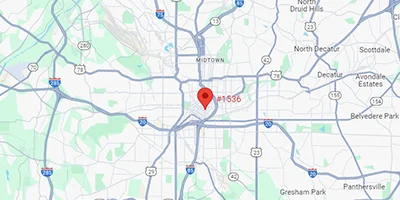
50 Hurt Plaza S.E. #1536,
Atlanta GA 30303
 Get Directions
Spaulding Injury Law:
Alpharetta
Personal Injury & Car Accident Lawyer
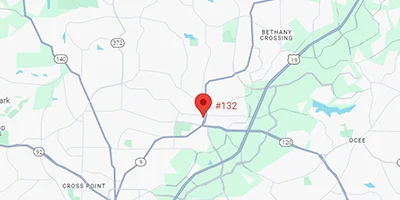
44 Milton Ave #132
Alpharetta, GA 30009
 Get Directions
Spaulding Injury Law:
Cumming
Personal Injury & Car Accident Lawyer
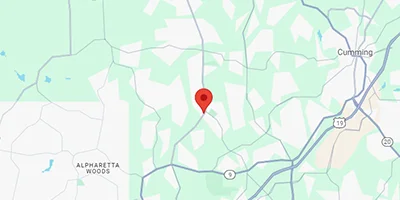
5860 Bond St
Cumming, GA 30040
 Get Directions
Spaulding Injury Law:
Lawrenceville
Personal Injury & Car Accident Lawyer
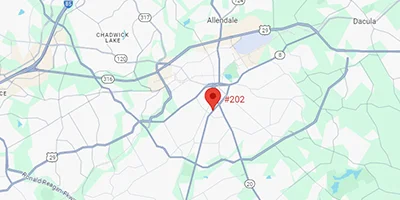
223 Scenic Hwy S #202
Lawrenceville, GA 30046
 Get Directions