
How to Stop Insurance Adjusters From Tricking You After an Accident
FREE Injury Consultation
Submit your details or call 470-380-0144
Once your information is submitted, a team member will be in touch within 1-2 Hours

















Not Letting Insurance Adjusters Trick You Out of The Compensation You Deserve
By Ted Spaulding - Atlanta Car Accident & Personal Injury Lawyer | Published: 10.22.25
After a car accident, the last thing you want is a fight. You're dealing with injuries, vehicle repairs, and emotional stress. The at-fault party’s insurance adjuster calls, sounding sympathetic and helpful. They say they’re here to make things right. But are they?
The hard truth is that an insurance adjuster's primary loyalty is not to you; it's to their employer's bottom line. Their job is to resolve your claim for the lowest possible amount. They are trained negotiators who handle thousands of claims and know every trick in the book to minimize payouts. If you’re not careful, you could walk away with a fraction of the compensation you deserve, or nothing at all.
As a personal injury trial lawyer with over 20 years of experience, I’ve seen countless victims unknowingly sabotage their own cases by trusting the friendly voice on the other end of the phone. But you don’t have to be one of them. By understanding their tactics and asking the right questions, you can take back control and protect your right to fair compensation.
The Adjuster’s Playbook: Common Tricks to Watch Out For
Insurance adjusters are masters of manipulation. They often employ subtle psychological tactics to gain your trust and get you to say or do things that harm your claim.
Here are some of their most common strategies:
- Stalling and Delaying: They know you have mounting medical bills and may be out of work. By dragging out the process, they increase the financial pressure on you, making you more likely to accept a lowball offer out of desperation.
- Requesting a Recorded Statement: They will frame this as a standard, harmless step. It’s not. They use recorded statements to find inconsistencies in your story and get you to make admissions—like downplaying your injuries—that can be used against you later.
- Offering a Quick, Low Settlement: An immediate offer can be tempting, especially when you need cash. But these initial offers rarely account for the full extent of your future medical needs, lost wages, and long-term suffering.
- Asking for a Blanket Medical Authorization: They’ll ask you to sign a broad medical release form, claiming it’s to verify your accident-related injuries. In reality, this gives them access to your entire medical history, which they will scour for pre-existing conditions to argue that your injuries weren't caused by the accident.
7 Questions Insurance Adjusters Hate to Be Asked
Asking pointed questions shows the adjuster you are informed and serious about your claim. It puts them on the defensive and forces them to be more transparent. Here are seven questions that can shift the power dynamic back in your favor.
- "Will you put in writing that your insured was 100% at fault?"
Adjusters love to leave the issue of fault ambiguous. They might act like they agree their driver was to blame, but they avoid confirming it in writing. By demanding written confirmation of liability, you force them to take a clear position early on. If they refuse, it’s a major red flag. - "What are the policy limits of your insured's coverage?"
This is the single most important question you can ask. The amount of available insurance coverage dictates the maximum potential value of your claim. In Georgia, you must submit a formal request in a certified letter to legally compel disclosure. - "Can you provide me with a copy of all the evidence, including photos of your insured's vehicle and witness statements?"
If their insured’s car is badly damaged, it contradicts any argument about a "minor impact." Their refusal to provide this evidence can later be used to challenge low settlement offers. - "How did you calculate that offer?"
Force the adjuster to justify their numbers. This question often reveals that they’ve ignored or arbitrarily reduced parts of your claim, giving you grounds to push back. - "Am I legally required to give you a recorded statement?"
You are not required to. Asking this tests their honesty. A dishonest response is a sign that you’re being misled. - "Do I have to sign this medical release form?"
Again, you are not required to. An honest adjuster will admit that. You should only provide accident-relevant records, not blanket access to your entire history. - "What happens if I reject this offer and hire an attorney?"
Their reaction tells you everything. If they push back hard, it means they likely have more to offer and are afraid of facing legal action.
You Don’t Have to Fight Alone
Dealing with an insurance adjuster is a high-stakes game, and they are playing to win. While asking these questions can help level the playing field, the best way to protect yourself is to have an expert on your side.
An experienced personal injury attorney knows the law, understands insurance company tactics, and is prepared to take your case to trial if necessary. At Spaulding Injury Law, we have a >99% success rate and have recovered millions for our clients. We used to work for the insurance companies, so we know exactly how to beat them at their own game.
If you’ve been injured in an accident, don’t let an adjuster trick you out of the compensation you deserve. Contact me today for a free, no-obligation case evaluation. Let Spaulding Injury Law handle the fight, so you can focus on what matters most: your recovery.
Spaulding Injury Law:
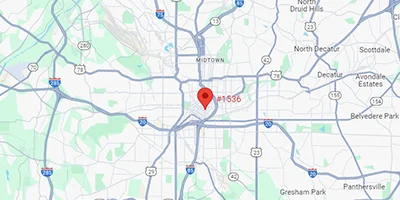
Atlanta
Personal Injury & Car Accident Lawyer
50 Hurt Plaza S.E. #1536,
Atlanta GA 30303
 Get Directions
Spaulding Injury Law:
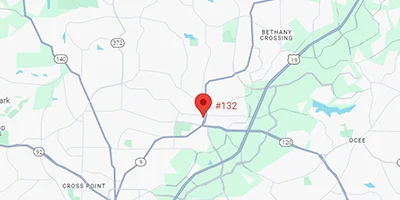
Alpharetta
Personal Injury & Car Accident Lawyer
44 Milton Ave #132
Alpharetta, GA 30009
 Get Directions
Spaulding Injury Law:
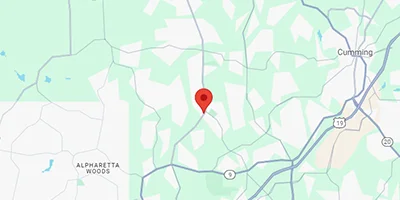
Cumming
Personal Injury & Car Accident Lawyer
5860 Bond St
Cumming, GA 30040
 Get Directions
Spaulding Injury Law:
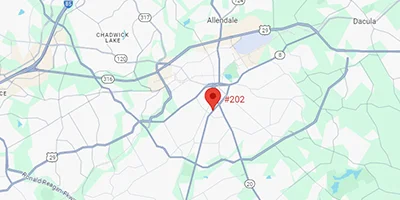
Lawrenceville
Personal Injury & Car Accident Lawyer
223 Scenic Hwy S #202
Lawrenceville, GA 30046
 Get Directions