
Who Is At Fault in Rideshare Accidents?

Rideshare apps like Uber and Lyft continue to grow more and more popular, especially in urban areas. They are simple, convenient and cost-effective ways for individuals to find their way from place to place and around big cities, and they are easy alternatives to transportation like buses and taxis. But what happens when your rideshare is involved in an auto accident? Who is held responsible when you are involved in an auto accident with a rideshare driver? Atlanta personal injury lawyers can help you make sense of this seemingly complicated yet not all too uncommon situation.
As transportation and technology quickly advances, there are many common questions we receive regarding Uber and Lyft and their involvement in accidents. How exactly do rideshares differ from taxis and other car services? Who is held liable in the event of an auto accident? Here we will look at the answers to some of these frequently asked questions regarding rideshares to help you protect yourself the next time you are out traveling on the road or considering using a rideshare company.
How Is A Rideshare Different From Other Services?
The main difference between rideshares and other services is that rideshares individually contract out their drivers and vehicles. A driver must be able to meet certain requirements to be able to work for a rideshare company. If someone wants to become a driver for Uber or Lyft they must meet certain age requirements, have a valid US Driver’s License, and have an approved insured 4-door vehicle. They are also required to pass a criminal background check as well as a driving record check. Unlike taxi services, rideshares are hired out through an app on your smartphone, and pricing depends on the location, time of day, and the number of driver’s available at that time.
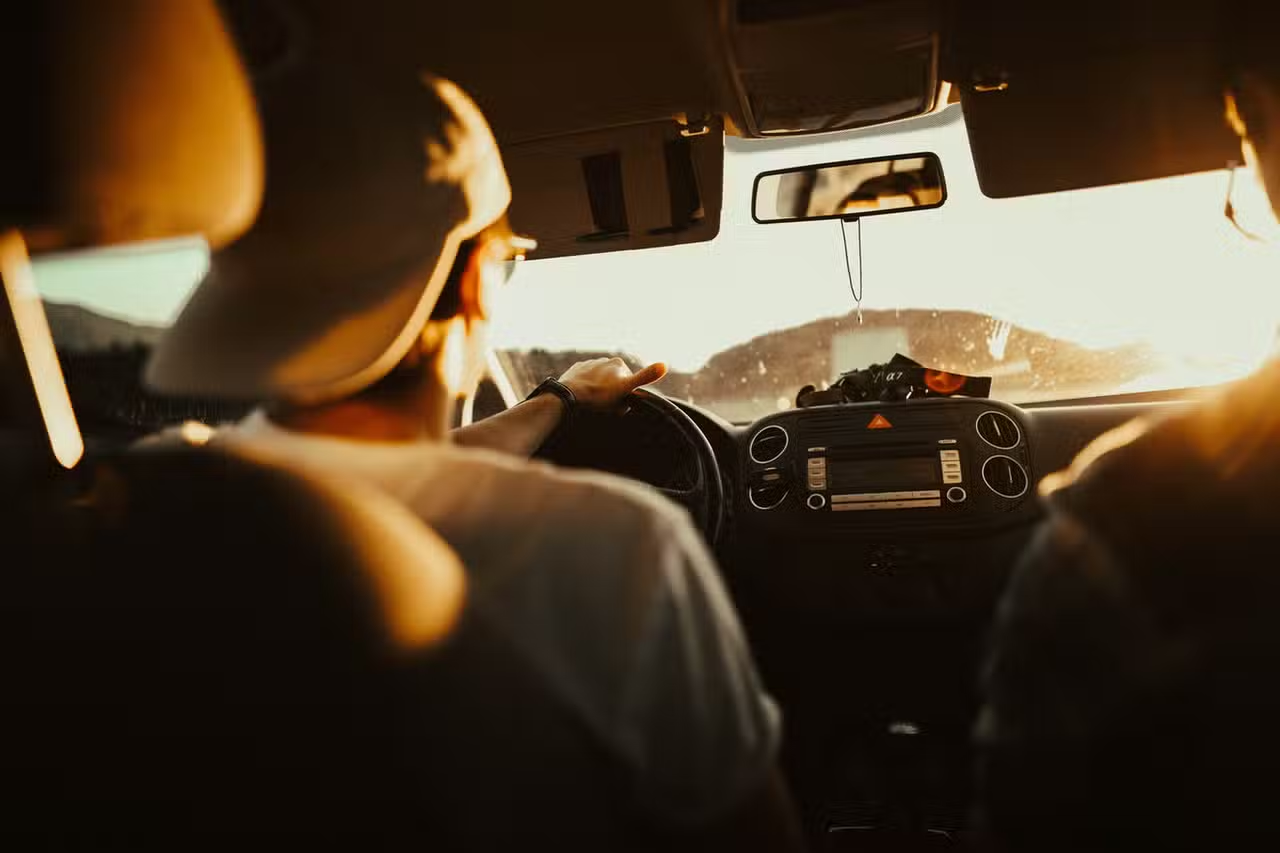
What Happens If I Am Involved in An Accident With A Rideshare Driver?
In any auto accident claim, you must be able to prove who was at fault for the accident and the degree or amount of damages or injuries that were acquired in the accident itself. Generally speaking, the easiest claim would hold the rideshare driver liable for damages sustained in an accident where you were a passenger or a pedestrian. Since drivers must hold valid personal insurance in order to drive for these companies, they can be held liable in an auto accident. The question is, can or should the rideshare company be held liable in certain situations? Whose insurance company is ultimately responsible for covering the damages? Every circumstance is a little bit different, so here are some ways to understand how you could be affected.
Luckily, there are fairly clear policies for both Uber and Lyft drivers who are involved in auto accidents. First of all, if the driver has not logged into their app system at the time of the accident, the rideshare company will not provide coverage. If the driver logged in, but did not accept a request for a ride yet, the company will provide liability coverage for accidents where the driver is at fault up to $50,000 per injured party. They will cover up to a total of $100,000 in injuries and $25,000 in property damages. However, if the driver has accepted a ride request at the time of an accident, the company will provide liability coverage up to $1 million. When applicable, the rideshare driver will be held liable, but it depends on the status of their accepted ride. If you have been in an accident with a rideshare driver and are not sure who will be held liable for damages, it is important to contact a personal injury lawyer who can assess the specific details of your situation and help you determine who is at fault in your claim.
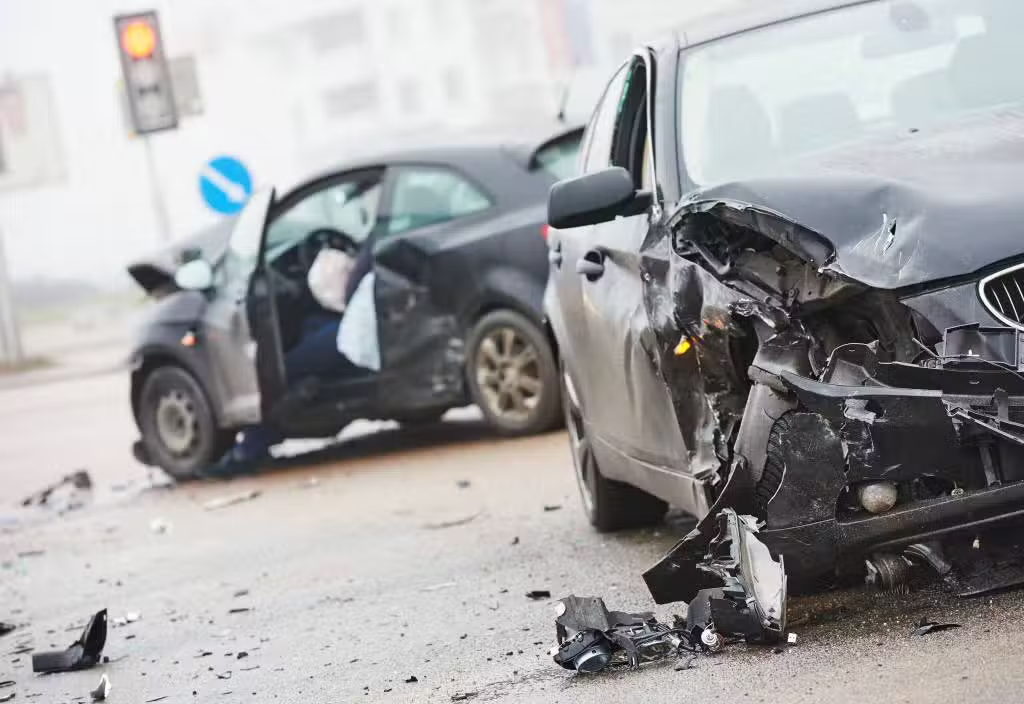
What Should I Do If I Am In An Accident with an Uber or Lyft Driver?
If you are involved in an auto accident, there are immediate steps you should take to ensure your safety.
- First of all, always contact emergency service responders. Especially if there are injuries, emergency responders are the first call that you should make.
- Be sure that you are able to move to a safe place out of dangerous traffic areas. Once you are in a safe place, you can assess your physical needs and administer any first aid necessary.
- Wait for emergency services to arrive, and exchange information with all parties involved. This includes both contact and insurance information, which are necessary to file a claim against an individual party at fault. This is especially important if a rideshare driver is involved in your accident.
- Document as much as possible through photographs to be able to provide evidence to support your claim. This is especially important in allowing insurance companies to assess the total damages you may be owed, and if the other driver tries to dispute your claim for any reason.
- Contact the rideshare company to report the accident. Ask if they can advise you on any policies and next steps.
Every accident and every case is different, but the important thing is to protect yourself. Following these steps may help guide you, but an experienced personal injury lawyer can help advise you about your specific case. We know that accidents can cause trauma, pain and suffering in addition to medical costs and property loss. At Spaulding Injury Law, we have experience working in all kinds of cases like these. We want to work with you and for you to make sure you receive fair representation and compensation that you are due for your losses. If you or someone you love has been injured or killed in an accident involving a rideshare driver please contact us. If you have been injured and are looking for representation in Georgia, you could be due compensation for your losses. Consider a visit with our highly experienced and qualified Atlanta injury lawyers.
When to See a Doctor After a Car Accident
It’s important to see a doctor immediately after you’ve been in a car accident – even if you don’t think at first that you’ve been seriously injured.
Your doctor can perform a full examination and help you get on the road to recovery as soon as possible. They can also check you for less obvious injuries caused by the accident that could become life-altering or life-threatening if left untreated.
I Feel Fine – Why Should I Go to the Doctor?
Even if you feel fine right after a car accident, it’s critical to visit a medical professional as soon as possible. Following a traumatic event like a car crash, our bodies often produce endorphins and adrenaline. These chemicals can increase your energy levels and block pain, making you think that you are fine when you’re actually injured.
Symptoms from some injuries don’t show up right away. For example, a subdural hematoma (or brain bleed) might initially appear to be just a minor headache from the stress of the car wreck because victims often act normally for days or even weeks following the injury. Nevertheless, the longer this condition goes untreated, the worse the bleeding might become and can lead to additional serious and life-threatening injuries.
It might seem inconvenient to have to go to a doctor when you think you’re fine. However, when you see a physician after a car accident, you can reduce your chance of developing long-term medical conditions from the wreck.
How Long Do I Have to See a Doctor After a Car Accident?
It’s essential to see a doctor as soon as possible after a car accident. The longer you wait, the more difficult it might be for you to heal from damages caused by the crash, plus it might make it harder or even impossible to recover compensation for your injuries.
When you visit a physician, they will produce a medical report that’s typically a vital piece of evidence in proving the cause and severity of your injuries from the accident. Insurance companies may look at this report when calculating how much compensation they might owe you.
Under Georgia law, victims usually have up to two years after a car accident to file a lawsuit for their injuries. However, without evidence of prompt medical treatment, the insurance company might try to argue that your injuries are not as severe as you claim, or that another event besides the accident may have caused your injuries.
Common Latent Injuries from a Car Accident
Some injuries that might not be obvious right after a car accident include:
- Concussions and other brain injuries
- Neck injuries
- Whiplash and other soft tissue injuries
- Internal bleeding and organ damage
- Spinal cord and back injuries
Get Help from an Atlanta Car Accident Attorney
If you’re suffering from a serious car accident injury, it’s critical to have a trusted attorney on your side. At Spaulding Injury Law, our respected Atlanta car accident lawyers have a proven track record of helping injured victims just like you fight for their legal rights and the maximum compensation they deserve.
To get the help you need, call Spaulding Injury Law today or contact us online and schedule your free consultation.
Is Laying Your Bike Down Proper Technique?
Today, I wanted to talk about a topic I saw go around about a week ago. I thought it was good for us to get it out there to discuss it further. I found it quite interesting and looked it up to make sure.
What is it about? It’s about whether laying your bike down to avoid a wreck is the proper technique to use. And the answer to that question is technically no. All of the safety programs and safety experts say you should not have to lay down your bike to avoid a wreck.
Should You Lay Down Your Bike To Avoid An Accident?
I know that’s this is a bit controversial, even for myself, because I’m saying, “Well, there could be situations where that might be beneficial.” I certainly have seen it in my practice where, in some cases, if it hadn’t been for someone laying his bike down, he would have been dead.
So, there are certainly exceptions to any rule, including this one. But the reason why I’m talking about this is the reasoning behind it. It reinforces some things that you need to think about and keep in mind as you ride.
What You Should Keep In Mind
There is a reason it is not in the safety manuals to lay your bike down to avoid a wreck. You shouldn’t have to do that. Because if you’re doing everything you’re supposed to be doing to be riding safely and defensively, you shouldn’t have to resort to laying your bike down to avoid a collision.
And what they reiterate there is that if you’re keeping your head on a swivel, if you have proper lane positioning, and as part of the lane positioning, you always know, in any given situation, what’s your out? Is it going to the left? Is it going to the right?
Are you leaving enough distance in front where if someone’s not stopping, you can pull forward, or forward and to the right, or forward and to the left? So, that’s what I like the most about this safety tip, which is to reiterate and reinforce those things that you’re supposed to be doing all along, in hopes that you don’t have to resort to laying your bike down.
A Word About Braking
The last issue concerns braking. And I’m going to be doing a different video on that at a later time. But it’s a good reminder that you should be hitting those brakes in an emergency situation, so you’re not going to lose control of your bike. You’re not laying your bike down because you’re slamming on the front-back brakes.
What You Should Do
So, once again, it’s a good reminder to always be riding in a defensive posture. Have these things in your mind at all times, particularly the head-on swivel, where you’re watching what the other motorists are doing.
Have your outs and have proper lane positioning so you can see what’s coming at you. Also, make sure you can see where you can use your out to get out of the way without having to lay the bike down.
Meanwhile, I’d like to hear what you guys have to say. I know it’s a hot button issue, and again, there are probably examples out there where laying the bike down saved someone’s life. So there are always some exceptions. Please comment below. Shoot me an email. I’d love to hear what you think about this topic. And thanks for reading.
What to Do After a Truck Accident in Alpharetta, GA
If you’ve been involved in a devastating collision with a large truck in Alpharetta, it’s easy to overlook important details in the confusing aftermath of the accident. However, following some basic steps after a wreck will be crucial to protecting your health and your legal rights.
After a collision with a commercial vehicle, you should:
Call the Police
Call 911 or have someone else at the scene call the police. Most accidents involving trucks like semis and 18-wheelers leave victims with serious injuries and extensive property damage. First responders can help you get the prompt medical attention you need for your injuries. They can also help prevent further collisions by blocking off the area and taking care of debris and wreckage from the accident.
Seek Emergency Medical Treatment
If you did not receive medical treatment at the time of the crash, it’s critical to see a doctor as soon as possible. Some serious injuries from truck accidents aren’t immediately obvious, yet they can cause severe complications if left untreated. The sooner you see a physician, the sooner they can evaluate your injuries and help you get the treatment you need for recovery.
Your doctor can also create a medical report that outlines your injuries and medical treatment. This report could serve as a critical piece of evidence if you need to file a claim for the injuries you suffered in the truck accident. It could help you prove the severity and cause of your injuries. Additionally, it can show that the accident caused your injuries.
Get Contact Info from Other Parties Involved
Truck crashes are complicated because they involve several parties that might hold some liability for the accident. For example, beyond the truck driver, the employer, the truck’s owner, the owner of the truck’s cargo, the vehicle’s manufacturer, or the maintenance company might hold some responsibility for your injuries.
It’s important to get as much of this information as possible. As a start, get the truck driver’s name, driver’s license and license plate number, contact information, and the name of their employer.
Getting information on the rest of the parties that might be liable is often complicated if you try to handle the case on your own. It might involve heavy investigative work because the driver or their employer might not willingly provide this information to you. However, if you work with an experienced truck accident attorney, they can use their in-depth investigatory skills to help determine who holds responsibility in your accident and help you pursue claims against each of the responsible parties.
Gather as Much Information as Possible
Collect as much evidence as you can as soon as possible after the crash. Otherwise, this evidence might disappear or change. For example, take photographs of your injuries, damage to your vehicle, and all areas of the accident scene. This includes things like pictures of traffic signals, skid marks, damage to guardrails, loose gravel, or missing traffic signs.
If the police came to the scene of the wreck, ask them for a copy of their official accident report. Additionally, gather the names and contact information of witnesses. Write down accounts of what they saw, plus ask them for copies of any pictures or videos they have of the crash.
Beyond these basics, a truck accident lawyer can help you collect additional types of evidence. For instance, they can ask the traffic department and surrounding businesses for copies of videos or photographs they have on traffic cams or security cameras. They can also hire experts, such as traffic reconstruction specialists or medical consultants, who can testify to support your case.
Don’t Make Any Statements About the Crash
While you might think you caused or contributed to the crash, it’s difficult to know the true cause of an accident without a full investigation. It’s critical to avoid making any statements about the crash in the immediate aftermath. Insurers often rush to accident scenes or call victims shortly afterward to try to trick them into saying something they can twist and use against them in the claims process.
Additionally, they might scour your social media for any comments you made about the crash. If you say something as small as “I’m sorry” publicly or to the other driver, the police, or the insurance company, they might use this statement to deny or reduce your compensation.
This is why it’s vital to wait to make any statements about the accident – in person, over the phone, or on social media – until you consult with an attorney. They can speak with insurance and other parties on your behalf, so you don’t have to risk mistakenly saying something you’ll regret.
Get Your Case Reviewed by an Alpharetta Lawyer
If you suffered serious injuries in a truck accident, contact an Alpharetta lawyer right away. Our truck accident attorney will review your case for free and give you the tools you need to make the best possible choice for your personal situation.
What an Alpharetta Truck Accident Lawyer Can Do for You
Truck accidents are devastating and overwhelming, but our Alpharetta personal injury law firm can help relieve this burden. We can handle all the details of your case, so you can focus on recovering from your injuries. Your attorney can gather the evidence needed to support your claim, complete and file any necessary paperwork, negotiate with insurance on your behalf, and fight for your rights in court if needed.
If a serious truck collision left you with serious injuries, contact the trusted Alpharetta truck accident attorneys at Spaulding Injury Law right away. With a proven track record of providing excellent customer service and helping clients achieve high-dollar results, we have the skills and resources to stand up for your rights and help you pursue the maximum compensation you deserve.
Don’t wait to get on the path to recovery. Contact Spaulding Injury Law today by phone at (770) 744-0890 or online to schedule your FREE case evaluation.
Concerned About Coronavirus? You Don’t Need To Leave The House To Meet With Our Lawyers.
We all have a duty to keep ourselves, our families, our neighbors, and our communities safe right now. This means temporarily reshaping the way we live our lives to combat the novel coronavirus (COVID-19). At Spaulding Injury Law, we are taking this duty seriously and are practicing the “social distancing” guidelines recommended by health officials. To ensure you still have access to us, our lawyers are available to meet with you remotely so we can answer your legal questions and discuss your case.
Across the nation, people are limiting in-person contact as much as possible to help slow the spread of the virus and allow our health care system to operate within its capacity. The U.S. Centers for Disease Control and Prevention continues to provide important guidance about what we all can do to protect ourselves and others from exposure. (Visit the CDC website for the most up-to-date information and recommendations.)
During this challenging time, our attorneys remain available to talk about your legal issues over the phone or via free video conferencing services such as:
- GoToMeeting
- Facetime
- Skype
- Zoom
If you are ready to speak with a lawyer now, please contact us to schedule your free consultation. Our team can meet with you remotely and get started on your case immediately without having to talk in person.
Steps to Protect Yourself if You Have A Pool
As summer nears, families are already gearing up for spending many hot afternoons by the pool. While swimming is one of America’s favorite pastimes, it should not be overlooked as a potentially dangerous activity. In the United States, drowning is the second leading cause of unintentional injury deaths for children between ages 1 and 14. If you are the owner of a pool, you want to be sure to take the necessary precautions to protect yourself, your family and friends from a potentially hazardous situation. We are a group of Atlanta injury lawyers who can help you take the proper precautions to have a safe, enjoyable time at your family pool.
As a pool owner you are first and foremost responsible for the safety of your guests. Accidents can happen at any time and when you least expect it. If an accident does occur on your property, you can be held to a high degree of liability as the pool owner. This liability applies not only to businesses, hotels or any organizations with a public pool, but also to homeowners as well. If you fail to meet these basic standards of safety, you can be found negligent and at and fault, and face legal action from the injured parties. Here are some steps you can take to help maintain the safety of all guests on your property if you own a pool.
How To Increase the Safety of Your Pool
- Frequent Maintenance: The water in your pool needs proper treatment to maintain the proper safety for your guests. Chlorine needs to contain the correct balance of pH levels in order to prevent illnesses. Contaminated or imbalanced water can cause a Recreational Water Illness (RWI). If there are germs or imbalanced chemicals found in swimming water, it can cause an RWI by simply swallowing, inhaling or coming in contact with them. Additionally, the chemicals used to maintain a proper balance in your pool can also be hazardous to pool maintenance workers and other guests, so it is necessary to have training, wear the proper protective gear, and store any chemicals in a safe place.
- Proper Inspections: In addition, many pool accidents involve missing or broken drain covers. It is important to constantly inspect the covers regularly. The Federal Virginia Graeme Baker Pool & Spa Safety Act has been in effect since 2008, which requires all pool drain covers in the United States to comply with standards which prevent entrapment. If a drain cover is missing, broken or not compliant to these standards, it can result in a swimmer’s hair or clothing to be caught inside, which can cause serious injuries and even drowning deaths.
- Constant Supervision: Drowning can happen in an instant. It can happen suddenly and silently, even before someone is able to even notice a child has gone missing. For this reason, children should never be left unsupervised at a pool for any reason or for any amount of time. Even if it is believed that the children know how to swim, accidents can happen at any time and no small risk is worth losing a life. Remember that statistically children ages 1-4 are at the highest risk of drowning in pools.
- Access to Safety Equipment: It is important to have the proper equipment that can help save a life in case of an emergency. It is recommended to at least have one personal flotation device available, a pole and a rope. It is important that these items are easily accessible to anyone supervising the area. Adults should be aware of how to use these items if a situation arises. Parents and anyone else in supervision over the pool are also recommended to be trained in First Aid and CPR.
- Safety Barriers and Fences: Finally, one of the best ways to prevent accidents is to have proper fencing or barriers surrounding your pool to prevent children from entering without supervision. Swimming pools are considered an “attractive nuisance” to children according to Georgia law. This means that as a pool owner, you can be found negligent if you do not have a locked fence, pool cover or any other protection to prevent access to your pool. Under Georgia law, fences need to be at least 4 feet tall, starting no more than 4 inches from the ground. Additionally, vertical bars should be no more than 4 inches apart. The pool should be enclosed on all 4 sides, with a fence that self locks and closes.

Tips for Supervision
Any adult supervising children should follow the following tips to ensure the safety of all swimmers at or near their private pool. Remember that you are the closest member responsible for preventing a potentially dangerous situation and even saving a life.
- Minimize all distractions such as wearing headphones, reading a book or using your cell phone (though keeping your cell phone near for emergencies is recommended).
- Refrain from excessive drinking, smoking, or using any other substance that can inhibit your quick thinking and reaction time.
- Know where any safety devices are located in case of an emergency.
- Ensure that all young, inexperienced swimmers have properly fitting flotation devices.
- Keep extra pool noodles and flotation devices nearby in case they are needed for any reason.
- If possible, don’t supervise alone.
- Learn First Aid and CPR to be able to help save a life
If you or someone you love has been injured at someone’s private pool, it is important that you seek out the advice of an experienced injury attorney. Accidents due to poor supervision, faulty or missing safety equipment are clear cases of negligence. Pool injuries can be life-changing both physically and emotionally, not to mention the cost of medical expenses. If you have been injured and are looking for representation in Georgia, you could be due compensation for your losses. Consider a visit with our highly experienced and qualified Atlanta injury lawyers.
Should Motorcyclists Use Hand Signals?
As a Lawrenceville motorcycle lawyer, I want to talk about a safety tip that is good to incorporate into your daily riding habits.
It’s one that you don’t normally think about, especially in this day and age with the bikes that are coming out with safety features like better lighting, hi-def signals, etc.
We Already Have Turn Signals, Why Should We Use Hand Signals?
I think we’re growing more reliant on turn signals than in the past. The point of this safety tip is that we have to realize that riders are not visible to the general driving community, especially now with smartphones and things like that.
Anything that you can incorporate to make yourself more visual is a good tip to take. And this is a simple, easy one. It doesn’t cost anything.
The more you can put that into your habit, the better and safer you’ll be on the road. The safety tip is using hand signals along with your turn signal.
Can Hand Signals Increase Your Visibility?
When you’re going off of the perspective that you already are not very visible, if you can use a hand signal, it could catch somebody’s eye behind you or across the street. The #1 type of motorcycle accident is someone turning across in front of you.
If you can use your hands, that might add a little bit more visibility to you out there on the road and you could avoid someone running into you thinking you’re not turning, not paying attention to your bike itself, but they catch your hand signals.
I advise that you make it become an almost automatic thing that every time your turning left or right, you’re throwing up your hand to the side that you’re turning and see if that makes you a little bit more visible.
Proper Positioning Of Your Bike at an Intersection
Today, I want to talk about the proper positioning of your bike at an intersection. Hopefully, most of you know that positioning is a huge part of staying safe while riding. What we’re talking about is proper positioning of your bike within your lane.
I’ve briefly talked before about positioning your bike properly as you’re driving. Now, I want to talk about how to position it as you’re approaching an intersection. What position should you aim for as you are thinking of that intersection and where you’re going to wind up?
What’s The Best Position?
There are obviously unlimited positioning options within a lane. But the best way to talk about it is using the “third” method. When you look at the lane, you’ve got the middle third, you’ve got the right third, and you’ve got the left third. Which position should you be in as you approach that intersection? What should you be thinking about?
Consider These Factors
First of all, you’ve got to think about this well before you approach that intersection. Are you the first vehicle stopping at this intersection? Are you behind another vehicle? Are you behind another vehicle and there’s a lot of traffic behind you?
All these things are going to play into what position you choose, but there are a couple of standard things that you need to be thinking about. The biggest one is the place where you don’t want to be. And that is the center or the middle third of the lane.
Why You Shouldn’t Be In the Middle
Why? Most importantly because there is debris in that area, including oil. That is going to cause issues with stopping as well as with accelerating through the intersection from a stop. So, if there are oil deposits or any other types of debris, you could lose control of your bike.
This could happen either as you’re stopping at the intersection or as you’re taking off. So definitely avoid being in the middle third. Instead, aim for the left or the right side. Of course, the conditions are going to determine which option is better. Specifically, it depends on the type of intersection it is.
What Kind Of Intersection Is It?
Are there cars turning left, or are there cars coming towards you and turning left in front of you? Finally, are there cars next to you that are turning left? Are there three lanes, two lanes or is there just one lane? Those are all going to determine whether you should choose the left third or the right third.
I couldn’t tell you in every single instance which one would be the best option, but it’s going to be one of those two.
Four Things to Consider
And here’s what you need to be thinking about as well: there are basically four things to consider when it comes to the position you should take. It even applies as you’re driving, but especially at an intersection.
First, you want to take the position from where you can see potential hazards, which means other vehicles in front of you. Number two is that you can be seen by other vehicles. Number three is basically about time to react. And number four is space to react.
Here’s An Example:
When a car is heading towards you, you need to have time to see that hazard coming your way and then the space to go where you need to go. You need to be thinking of all those things as you’re approaching an intersection. Again, never be in the center of the lane, i.e., the middle third. And you want to prepare yourself in advance of reaching that intersection.
Given all these factors, where are you in the line-up of vehicles? What type of intersection are we dealing with? What do you have to the left and the right of you when it comes to being able to avoid hazards by going to the left or to the right? All of that is going to decide whether to pick the left third or the right third.
That’s some food for thought as we’re getting out there more and more as the weather is getting better. Always pay attention to proper positioning as you approach an intersection.
Hope these tips were helpful. Please respond below with any of your habits or any of your techniques when it comes to positioning. As we all know, there are very few hard rules when it comes to techniques. Everybody has their own flavor in terms of what works best for them.
But we help each other by being able to share what we have experienced over the years when it comes to positioning at intersections.
Rental Liability, Pedestrian Accidents, and More
Trying to figure out who was at fault for an accident sometimes can be cut and dry. Other times, there are a lot of different complexities that can impact how an investigation goes. It’s not always so easy to figure out who is at fault, especially of both sides refuse to relent. No one wants to be the one to have an accident on their insurance or their driving record. When that happens, the rates can go up significantly. They also might be on the hook for damages. If you are unsure who may be liable in a case like this, reach out to your Atlanta personal injury attorney.
When there’s two drivers involved in both of them have insurance, is typically the best scenario. Damages are covered and everyone can go about their day. Insurance companies might settle and say no one is at fault. That’s because accidents happen and they’re a regular part of driving. There’s no need to usher in investigations, court cases, and other types of drama over a simple car accident.
Yet, there are many other instances in which the situation isn’t as easily diagnosed. These types of accidents are where the different complexities come in. Would you do if you get into an accident with someone who doesn’t have insurance? What would happen if you hit someone who wasn’t driving a car? For example, a pedestrian. Someone could be riding their bike and suddenly cut into traffic.
What would you do in any circumstances? How would the state handle these types of cases? How would you get damages out of someone who didn’t have car insurance? Another thing to consider is that states do car insurance differently. There are different laws that govern how accidents are covered. Some states are no-fault. Most states require some type of auto insurance, but New Hampshire is one state that doesn’t.
Let’s take a look at the different types of accidents and how they may or may not be covered by insurance. Look at pedestrian accidents, bicycle accidents, rental liabilities, and even accidents were domestic animals are involved.
Accidents in a Rented or Leased Vehicle
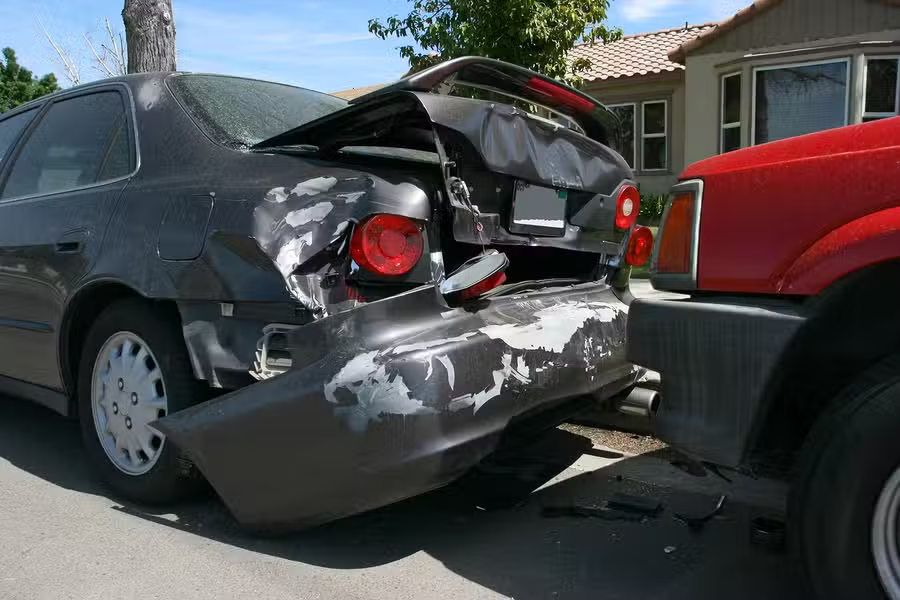
Most states will allow for every driver to be covered under their own insurance no matter what they drive. For example, if you borrow someone else’s car and you get into an accident, your insurance would probably cover that. In that same conversation, you’re also covered if you rent a vehicle. That means you don’t need to purchase additional insurance that the rental company tries to sell you.
Yes, it might provide additional coverage and you’re free to purchase that if you want to, but your own insurance will probably do the trick. All you have to do is call your insurance company and ask them before renting a vehicle if the current policy you have would protect you against any rental liability that might come up. Most likely, the answer is yes and you can save a few bucks when renting.
Accidents that Involve Pedestrians and Bicyclists
Even if your state has no-fault laws, usually the driver who hits a pedestrian or a bicyclist is guaranteed almost always be hit with a presumption of fault. They will say that it was though the lack of defensive driving on part of the driver. Pedestrians and bicyclists almost always have the right-of-way. There are a few instances in which the pedestrian and/or bicyclist can be held liable for their own injuries and be found at fault.
The presumption of guilt on behalf of the driver can be overturned if the driver can find evidence that the pedestrian that was hit didn’t take reasonable caution. This is often known as contributory negligence and it’s when the pedestrian or the bicyclist took action (or didn’t take enough action) to contribute to the accident. There are rules and regulations even for pedestrians and bicyclists and if they didn’t follow the rules and regulations, they can be held at fault.
One example of this is whether a bicyclist was writing their bike at night without taking proper precautions. Under the laws of most states, a bicyclist must have a red reflective piece behind them and a headlamp on the front of their bike. They must take reasonable caution to ensure that they are seen at all times. A pedestrian has to obey traffic laws as well. If they tend to jaywalk across the street without following signals, they would be held liable for the accident.
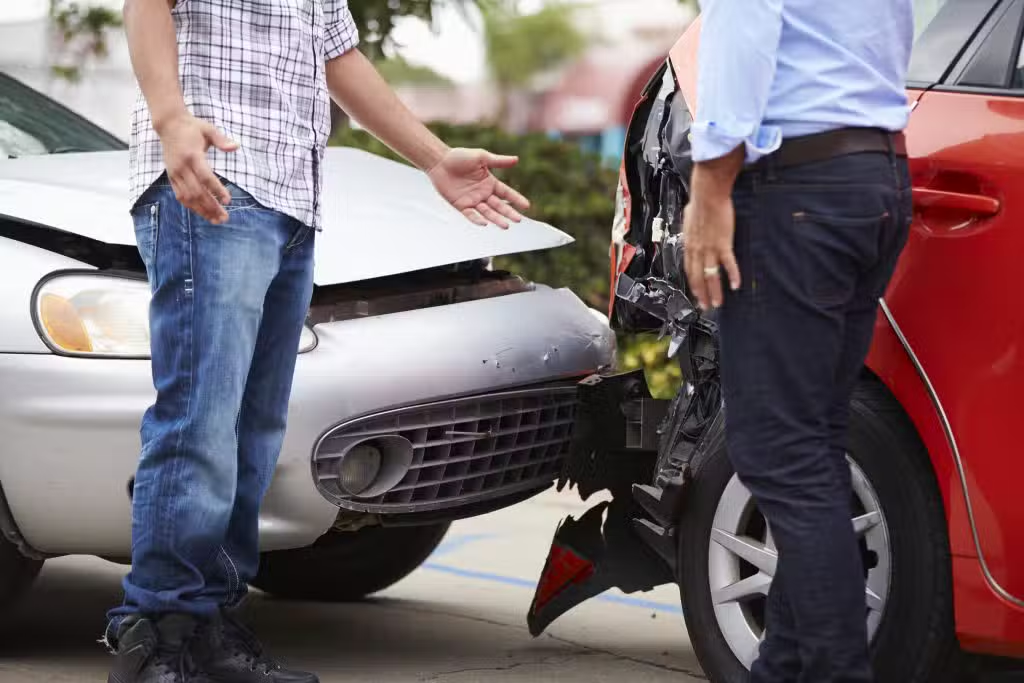
In states without no-fault laws, an injured pedestrian would most likely be covered by their own auto insurance policy if they have one. Again, it comes down to whether the pedestrian or bicyclist took reasonable steps to protect themselves. Did they wear nothing but black clothing while running at night or did they use as many reflectors and lights as possible? This is what these types of situations would come down to.
When Domestic Animals are Hit
This is one area of the law that is rapidly changing. In talking about domestic animals, it means a person’s pet, not wildlife like a deer. You’re still more likely to hit a deer, but sometimes a family pet becomes the victim. What happens in this situation? You’ve hit (and most likely killed) a family pet, but there’s damage to your car. Who is at fault? Usually, it’s the person who didn’t properly take care of their pet.
No town or city allows pets to run free. They must always be properly secured in some manner. For example, you need to keep your pet on a leash if taking them for a walk. The only way this wouldn’t apply is if the driver’s negligence caused the death. Let’s say you’re driving with your pet in the car and a drunk driver hits you and your dog dies. They would be negligent and you could file a suit against them.
States do limit the amount of damages one can claim after the loss of a pet due to negligence. Situations like distress and pain for the emotional loss of a beloved pet often don’t come into play legally. The negligent driver would most likely be responsible only for medical care if the pet was injured or the overall value of the animal.
Motorcycle Lane Splitting vs Lane Filtering

Recently the state of Utah just passed a lane filtering bill. I’ve gotten several questions asking “Do we have bills that are currently working its way through Georgia on lane splitting and where are we with that process?” My understanding is this is a big issue here in Georgia.
As a Savannah motorcycle lawyer, I don’t believe they have proposed anything yet, but I believe it is on the agenda. They are advocating for lane filtering, just like the bill in Utah, not lane splitting.
What’s The Difference Between The Two?
Once you think through it and understand the difference, you can see why lane filtering has much more support from non-motorcycling communities. m. To me, lane splitting, while I understand the potential benefits of it, given the fact of the dangers out there because of our four-wheeled brethren, I think it’s too dangerous.
So what’s the difference? Lane splitting is where you split two lanes of traffic going in the same direction. Think of being in between two four-wheeled vehicles in a two-lane highway going in the same direction.
You’re right in the middle of the two of them. Obviously, the point of this is only being able to do it during slow traffic. Lane filtering is much safer in the sense that it doesn’t allow the motorcycle to be in between two vehicles.
Instead, it allows the motorcycle rider to use the outside access area of the furthest right or left lane, so you’re not in between two vehicles. Let’s say you’re between a vehicle and a curb or a vehicle and the grass. You’re right there on that edge.
That’s what the bill in Utah got support in passing. You can see why that’s the case.
My Opinion On Which Is Safer
Our motorcycle attorney shares: “Personally, all of the wrecks that I see, the cases that I handle, we already have a massive problem with the non-motorcycle riding community seeing motorcycles, not hitting motorcyclists, and wanting to be in between two vehicles seem super dangerous to me.”
I get some of the benefits of it, but I think the downside dangers outweigh any benefits of lane splitting. I know I’m going to get some comments for that, but again, it’s not about motorcycle rights as much as it is safety.
All Bikers Need To Think Safety First
We’ve got to think of safety first. It is way too dangerous to begin with and trying to also now have motorcycle riders in between two vehicles, people are going to be shifting lanes, they’re going to be irritated at that time that they’re in traffic and more. I think if you want to go lane splitting, that’s great, long-term, but you’re not going to get it passed. I just don’t see it happening.
I think what you need to do first is move with lane filtering. It’s much safer and an easier pitch. Get that passed first then if you want to go more aggressive on a full-blown lane.
Remember, the people you got to convince are the non-motorcycle riding folks. Most of them are the congressmen and women and senators that you’re going to have to get behind a bill like this.
Connect with us


- November 2025
- October 2025
- September 2025
- August 2025
- July 2025
- May 2025
- April 2025
- March 2025
- February 2025
- January 2025
- December 2024
- November 2024
- October 2024
- September 2024
- July 2024
- June 2024
- May 2024
- April 2024
- March 2024
- February 2024
- January 2024
- December 2023
- November 2023
- August 2023
- June 2023
- May 2023
- April 2023
- March 2023
- February 2023
- August 2022
Archives
- Alpharetta
- Atlanta
- Atlanta Legal Service
- Back Injuries
- Brain Injuries
- Car Accidents
- Construction Accident
- Covid-19
- Cumming
- Dog Bites
- FAQs
- Firm News
- Georgia
- Gwinnett County
- Interview
- Lawrenceville
- Motorcycle Accidents
- Negligent Security
- Pedestrian Accidents
- Personal Injury
- Premises Liability
- Property Damage
- Slip and Fall Accidents
- Spaulding Injury Law Service
- Swimming Pool Accidents
- Train Accidents
- Truck Accidents
- Uncategorized
- Video
- Wrongful Death
Categories
Spaulding Injury Law:
Atlanta
Personal Injury & Car Accident Lawyer
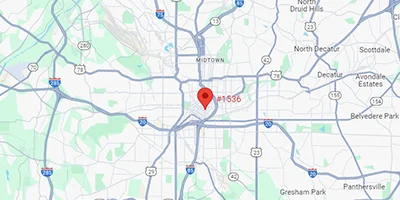
50 Hurt Plaza S.E. #1536,
Atlanta GA 30303
 Get Directions
Spaulding Injury Law:
Alpharetta
Personal Injury & Car Accident Lawyer
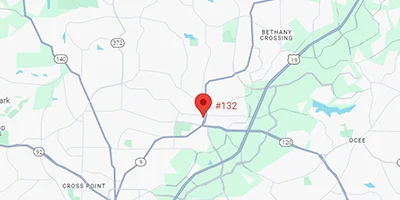
44 Milton Ave #132
Alpharetta, GA 30009
 Get Directions
Spaulding Injury Law:
Cumming
Personal Injury & Car Accident Lawyer
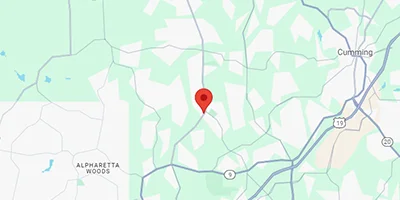
5860 Bond St
Cumming, GA 30040
 Get Directions
Spaulding Injury Law:
Lawrenceville
Personal Injury & Car Accident Lawyer
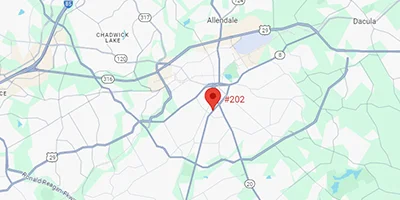
223 Scenic Hwy S #202
Lawrenceville, GA 30046
 Get Directions