
Does Vetoed Bill to Waive Sovereign Immunity in Georgia Affect Personal Injury Victims?
Legislation which would have allowed citizens to challenge the constitutionality of state laws was vetoed by Georgia Governor Brian Kemp in May of 2019. House Bill 311 was a bill designed to waive instances of sovereign immunity and was approved by the Georgia House of Representatives and Senate unanimously before being vetoed by the governor, along with at least a dozen other bills. A similar measure was vetoed by former Governor Nathan Deal in 2016.
What is Sovereign Immunity?
Sovereign immunity is the principle that prevents anyone from directly suing branches of the government. Normally citizens have the right to recover money for any costs and losses related to an injury caused through no fault of their own. The money is paid for by the person or company responsible for the injury (or their insurance company). However, what if the accident was caused by someone working in the government, or a governmental institution? In this case, the legal doctrine of “sovereign immunity” comes into play.

Dating back to the Middle Ages, sovereign immunity is a concept which refers to the period when kings and queens were immune from being sued. In Britain, the monarch has sovereign immunity from any legal action against him or her. Essentially, they are immune from the British courts. Presently in our democracy, this concept has survived. In the United States, the founding fathers believed that sovereign immunity should apply in some degree to American leaders. They allowed a limited sovereign immunity to those who work for the U.S. government, even at a state level. Though the idea of sovereign immunity survives, it currently serves a very different purpose.
Presently in the United States under this concept of sovereign immunity, the government can only be sued if it gives its consent. This essentially means the government is able to choose whether its citizens are allowed to file a lawsuit. There are now several laws about which types of suits are allowed to be brought against the government.

The role of sovereign immunity is to prevent citizens from suing the government every time it does something that they dislike. This provides authority and protection for the government to carry out its duties. However, it also can cause more complication in valid lawsuits.
How Does Sovereign Immunity Affect Personal Injury Victims?
The effects of sovereign immunity can be seen in current cases of personal injury today in Georgia. When a young boy was hurt while playing basketball in his high school gym, this concept came into play. The boy ran into a volleyball pole at school, that his gym teacher had not taken down before the children started playing basketball on the court. He suffered serious throat injuries. He was immediately flown to a hospital by life-flight, and has undergone 13 surgeries since the accident. Afterward, he and his parents attempted to sue the school for negligence. Under the rule of sovereign immunity, the school was able to deny the lawsuit.
However, government officials are not completely immune. The law states, “officers in their official capacities are under sovereign immunity”. This means that a government official acting outside of their official capacities can be held accountable for a personal injury claim. For example, if a worker, teacher or government official in the state of Georgia were to injure someone in an automobile accident, they could be sued in a personal injury claim. On the other hand, accidents caused on the job by an official would likely be covered by the sovereign immunity law in Georgia.
Does Sovereign Immunity Affect My Personal Injury Case?
Sovereign Immunity affects claims where the party who caused the injury is a part of a government agency. It also applies to people who are working in an official capacity on behalf of the government. For example, if a city fire truck hits your car while on duty, sovereign immunity would apply. But if the same city firefighter hit you while driving their own car, outside of work hours, sovereign immunity does not apply.
There are two main effects that sovereign immunity can have on a personal injury claim:
- Tighter deadlines: Injury claims in Georgia usually have up to two years for a party to file a claim (depending on the case). In claims where the government is involved, the deadline is usually six months to a year.
- An administrative claim may be required: In federal cases, an administrative process outside of the courts is required. This allows the government to settle the case without a lawsuit. In most cases, the claim will not be resolved and still go to court, but the first step is still always required.
What kinds of accidents may involve sovereign immunity?
Any kind of accident that involves the government will involve sovereign immunity. Here are some examples of the most common types of claims:
- Car accidents and truck accidents involving government vehicles (police cars, fire trucks, etc.)
- Accidents that took place on government property (public parks, government buildings, etc.)
- Any injury that involves someone working for the government, if they were “on duty” representing the government entity at the time of the accident
What Can I Do If I’m Injured by a Government Official?
Accidents involving government agencies can be extremely complicated, but you can still recover compensation for what you are owed. A government official is not always free from lawsuits under sovereign immunity. It is important to seek out counsel from a qualified personal injury lawyer for assistance with these claims. There are special cases that involve school buses, school employees and police officers, which an experienced personal injury lawyer can take on to help assist you in your claim.
For more information on sovereign immunity and your personal injury claim, view this video.
If you have been injured and are looking for representation in Georgia, please get in touch with Spaulding Injury Law: Atlanta Personal Injury & Car Accident Lawyer and set up a meeting with our highly experienced and qualified lawyers: https://www.spauldinginjurylaw.com/

If you are injured in a vehicle accident that happens on private property in Georgia – as opposed to an accident on a public street or a highway – will your personal injury claim be different (or handled differently) than a claim for an accident that happens on the street? Can a car accident law firm in Atlanta help?
These accidents happen all the time, especially in parking lots at commercial locations like malls and shopping centers, restaurants, hotels, and other private properties. Some of these parking lot accidents result in nothing more than minor vehicle damage, but others result in serious injuries.
How Do You Handle an Accident That Occurs on Private Property?
It needs to be fully understood by every Georgia motorist that when a traffic crash happens on private property, there really is not a huge difference in terms of the steps that the drivers need to take. Treat it just like any other vehicle accident.
Of course, if you’re injured or if anyone else is injured in any traffic collision, summon medical help at once. That’s always the first priority.
Then summon the police. If you’ve been injured, what you want is for the police to investigate the accident, get a statement from the other driver, and determine who was at fault for the accident.
How Do the Police Handle Accidents on Private Property?
However, in an accident that happens on private property in Georgia, the police usually do not issue tickets or offer conclusions regarding which driver caused the accident. That’s because, by definition, nothing that happens on private property violates the “rules of the road.”
Still, the information gathered by a police investigation will be important evidence if you’ve been injured, if the other driver was at fault, and if you need to take legal action to recover your expenses and damages.
Be sure that you call the police. Do not let anyone persuade you that it “won’t help” because the accident happened on private property.
What Are Your Rights if a Negligent Driver Injures You?
The injured victim of someone else’s negligence in this state is entitled by law to compensation; it does not matter where the negligence and the injury happened.

You’ll need the help of an experienced, reliable Georgia injury attorney to prove that you were injured by someone else’s negligence and that you are entitled to compensation for your medical expenses, lost wages, personal pain and suffering, and for all of your related losses and damages.
What Kinds of Traffic Accidents Happen on Private Property?
Perhaps the most frequent type of private property vehicle accident is the “backing-out” accident. That’s when a driver is moving in reverse impacts with a vehicle to the rear which may be either parked or moving.

The motorist who was driving in reverse is usually held at fault for accidents unless both drivers were backing out at the same time and fault is shared. And when a motorist crashes into a vehicle that is legally parked, the crash will almost always be considered that motorist’s fault.
Drivers also have to be alert in parking lots for pedestrians, who may walk out unexpectedly from between vehicles. It’s best to reduce your speed in a parking garage or parking lot to fifteen miles per hour or less.
Can You Reduce the Chance of a Parking Lot Accident?
Atlanta is the setting for plenty of huge parking lots with plenty of pedestrians and vehicles constantly moving in all directions. Always move carefully in a parking lot, and if you drive in the vehicle in reverse, drive at a snail’s pace, and do not presume that others see you.
Always look out for other vehicles that may be backing out of parking spots. Remember that other drivers may have “blind spots” where they cannot see you.
Responsible, cautious driving on private property is not that different from responsible, cautious driving on Georgia’s streets and highways. Keep a safe speed, focus on what’s in front of you, but use your mirrors frequently too, and don’t drive aggressively.
Why is There Video of Most Accidents on Private Property?
It is also more likely that there will be a video record of an accident if it happens on private property. Especially in the last two decades, to protect themselves from liability lawsuits, almost all commercial property owners have installed security cameras to monitor their parking areas.
Still, if an accident happens and you’re injured, take plenty of your own photos of the damages to the vehicles, your own injuries to the extent that they’re visible, and the overall accident scene. Photos can be persuasive evidence in these cases.
Similarly, if there were eyewitnesses to the accident, try to get their contact information. Later, your attorney may want their statements or testimony – which may also be persuasive evidence.
How Can Car Crash Lawyers Help You?
Requesting video evidence, however, is only one of several reasons why you’ll need the help of a skilled Atlanta personal injury attorney – as quickly as possible – if you’ve been injured on private property and another driver was at fault. You’ll need an attorney right away because:
Many businesses routinely destroy security video every thirty days, so it’s imperative to make a formal request immediately if you believe that a business may have video evidence of a vehicle collision.
You’ll be contacted by the other driver’s auto insurance company, and you’ll need to refer the company to your lawyer. Answer no questions, make no statements, and sign no documents for the insurance company. Let your attorney do the talking and negotiating.

Likewise, don’t accept a settlement offer without consulting an experienced Atlanta personal injury attorney first. A good injury attorney can almost certainly negotiate a better settlement on your behalf.
When Should You Speak to an Auto Accident Law Firm?
While only a brief discussion of accidents on private property and liability is possible here, if you are injured on private property in a vehicle collision in Georgia, you’ll need candid and trustworthy legal advice regarding your rights and options, and you’ll need that advice at once.
Your first consultation with an accident attorney is free, with no obligation. If you and your attorney agree to take legal action, you’ll pay no attorney’s fee until you receive the compensation – and the justice – that you deserve.
A good accident attorney’s help is your right, but you must take the first step, exercise that right, and make the call – immediately after you’ve been injured. Your future could depend on it.

If you are a biker, you may have some questions about modulating headlights. Luckily, our Atlanta motorcycle accident law firm can help.
So, does Georgia law allow modulating headlights? And if so, what are the parameters of the law with regard to it?
The answer to that question is really simple. Georgia has absolutely no statute regarding modulating headlights. It does not say they’re allowed or disallowed.
Remember, the only Georgia law that we have is that headlights have to remain on at all times. Does that mean modulating ones need to on at all times? That’s up to debate. I would say yes, it does.
What Are The Federal Laws About Modulating Headlights?
Because there is no Georgia statute, it is best to follow the federal law, which is found in Section 517.108. This statute has a whole list of requirements of what your modulating headlights can and can’t do.
Always make sure the lights are compliant or not. There are a lot of technicalities. One of them is that it has to be at least 50% to 75% of the standard power on the typical headlamp that’s not modulating.
There is also a specific requirement to have a trigger on it or a safety mechanism where if the modulating mechanism fails, then both the high and low beams can still be used.
Most of the modulating headlamps on the market for motorcycles have that feature because they know that’s the federal law and it’s got to meet federal standards, but you’re going to want to make sure if you’re out there shopping that it does meet those federal regulations.
Cornering and Traction

Today, my Savannah motorcycle accident law firm wants to talk about cornering and specifically traction. I know it’s a big issue among motorcycle riders and it came up for me recently with the loss of a Mr. Sharp.
He’s the individual that I posted about who lost control of his bike on the dragon. He was an experienced rider, and I don’t know exactly the particulars of what happened, but I can imagine traction and cornering had something to do with him potentially losing control of his bike.
Therefore, I wanted to provide some tips on cornering and traction. Some of this information will be getting rid of those myths and things that people often are concerned about. In fact, I think these myths sometimes get into your head and can cause you to lose confidence in cornering.
All About Traction
Traction is the amount of road that your tire in essence absorbs. Your tire’s rubber and if you notice on the road, if you run your hand over it, the road’s not smooth.
It’s got bumps and grooves, and that’s on purpose so that your rubber can lock in with the road. The question becomes how much traction do you get and what’s the correct amount when you’re cornering?
Obviously there’s a ton of factors that come into play, such as the differences in the road will give you more or less traction, raining vs. dry will give you more or less traction, how much air pressure you have in your tire, the age of your tire, the condition of it, etc.
But, what about angles and those sorts of things that you should and shouldn’t take to give yourself enough traction?
Angles And Lateral Force
In America, the standard for traction is 1 to 0.1 g of lateral force. If you get to that level, you should be okay. If you get above that, then you’re going to be losing a lot of traction, and you can lose control of your bike.
Depending on what type of bike you ride, also depends on exactly the angle, but in essence, 45 degrees of lateral force is the general answer. If you’re turning that bike 45 degrees, you’re putting about 1 g of lateral force on those tires, and you’re right at the limit.
On certain bikes, like Harleys, once you get to about 32 to 35 degrees, you’re hitting metal on the road, and part of that is on purpose. This is especially true if you have the highway bars which keep you from over a tilting your motorcycles.
The rule of thumb is a 45-degree angle because obviously if 45 is hitting you right at that 1g, you don’t want to go much more than a 45-degree angle or you’re going to lose a ton of traction, and you’re going to lose control of that bike. So, the angle is a big important factor.
Another myth is situations where people think you lose traction when you really don’t. Speed, believe it or not, speed does not have that much to do with traction. How fast you were going is not going to provide you with more or less traction, so speed alone is not going to be a big factor.
Is Rain A Factor?
Another one is rain. Now, here’s an interesting fact that I found, rain is one of those mental things more than anything else.
From what I’ve seen and read in manuals and otherwise, the first 10 to 15 minutes is the worst part of rain for traction. Why? Because in the first 10 to 15 minutes, that’s when all of the debris, that grease, all those things will come to the surface and make things slicker.
It’s not really as much about traction when it comes to the angling, but you get ordinary traction, even if you’re upright and not going into a corner. So, the first 10 to 15 minutes are the most dangerous when it comes to rain after that rain has very little to do with traction.
In the rain, you’re probably going to drop to about a .9 if you’re at your standard angle. If you’re going around a corner in the rain and it’s been raining for a while, you’re not losing as much traction as you mentally think you are.
Ways That You Can Mess Up Traction
Another thing I wanted to mention was different ways that you can mess up traction. I’m referring to user error that can mess with the amount of traction that you have.
This includes grabbing the brakes. When you’re in a turn, as most of you have seen and heard and have been taught, you don’t want to grab those breaks.
It’s instinct. Grab those front brakes and slam them on hard. That is not what you want to do. You’re going to lose a ton of traction. You want to slow down a little bit, break in advance before you enter your turn, and start the tilt.
Another one is chopping the throttle, which is a big issue. Then, you’ve got your standard issues. It’s maintaining your tires. If they’re too old, you have to replace them, and you have to keep proper tire pressure.
Believe it or not, weight is not a huge issue. If anything, the more weight, the better the traction that expands your tire and it’s going to give you a better grip on the road.
In short, be careful on these corners, study up again and remind yourself, no matter how long you been riding out there, it’s always good to refresh on some of these particulars. The next time you face rain or something else, you’re not going to lose control of your bike when you’re cornering.
What Is Diminished Value in Georgia?

The Right Law Firm for Your LawrencevilleVehicle Accident Case
When you need legal assistance with your vehicle collision claim, look no further than Spaulding Injury Law: Lawrenceville Personal Injury Law. We have achieved successful results for past clients injured in car collisions, including:
- Settled a case for $$350,000. Rear-End Wreck.
- Settled a case for $50,000. Low-Impact Car Accident Case.
- Settled a case for $425,000. Motor vehicle accident, drunk driving.
Our legal team is dedicated to getting fair results for every client we represent, and we never back down from insurance companies. When you work with our firm, you can expect the highest quality of representation, personalized and effective service, and stress-free handling of your vehicle collision injury claim.
If you are involved in a traffic collision, and if you file a property damage claim to have your vehicle repaired, you may be leaving money on the table. This is a where a Lawrenceville car accident law firm can help.
In the state of Georgia, if your vehicle is damaged after a collision and you have the vehicle repaired – that is, the vehicle was not a total loss – you have the right to a property damage claim for repairs, but you also have the right to a “diminished value ” claim in Georgia.
How Do Diminished Value Claims in Georgia Work?
Diminished value is a second damage claim that you have if your vehicle is repaired after an accident. If your vehicle is a total loss, you will not have a diminished value claim, but you will instead have a claim for the market value of your vehicle at the time of the collision.

On the other hand, if you have the vehicle repaired, you have a right to make two claims:
- a claim for the repair of the vehicle, which should completely cover your repair expenses
- a claim called “diminished value”
How is Diminished Value Defined and Determined?
Here’s what diminished value is. Think of CARFAX, which maintains a comprehensive vehicle history database using information from every state’s Department of Motor Vehicles. When you sell a vehicle, anyone can find the vehicle on CARFAX to determine if it has been in an accident.
Naturally, even if a vehicle looks and runs great if a potential buyer knows that the vehicle has been in an accident, you will be offered less than you would be offered for the same vehicle if it had never been in a collision.
In other words, a collision automatically diminishes the value of a car, truck, or SUV. It doesn’t even matter if the repairs make a vehicle better than new – simply being in an accident reduces its worth.
Every driver in the state of Georgia should know about the right to make a diminished value claim. Every year, thousands of people in our state simply leave money on the table. It’s the equivalent of handing over your cash to an auto insurance company for no good reason.
What Does the Law Say About Diminished Value Claims?
Some automobile insurance companies in Georgia may tell you that diminished value is set by law at ten percent of the cost of the repairs. That simply is not what the law says. It is merely what some insurance companies tell some consumers because it’s the easy thing to do.

In fact, what you have is a right to the market value difference between a vehicle like yours that has never been in a wreck and your own vehicle after it has been in a wreck. Sometimes, the real diminished value of a vehicle after an accident can be a thousand dollars or even more.
Diminished value, however, can be difficult to determine fairly and accurately, so you may have to hire a diminished value expert. Google “diminished value,” and you will find plenty of diminished value experts here in Georgia.
When Should You Hire a Diminished Value Expert?
If an auto insurance company offers you only one or two hundred dollars for diminished value, but you believe that your diminished value claim may be worth far more, you will have to decide if hiring a diminished value expert is worth it in your own case.
At a minimum, you should negotiate an insurance company’s first offer for diminished value.
Do not accept the first offer – it will almost always be an offer that is far less than the actual worth of your diminished value claim – and do not let them tell you that ten percent of the repair cost is all that the insurance company is required to pay you for diminished value. It isn’t.
If a Negligent Driver Damages Your Vehicle, What Should You Do?
When an at-fault driver damages your vehicle in an accident, that driver’s insurance company should pay you for the full amount of your vehicle’s diminished value. That’s the law, but it is up to you to make the claim, negotiate, and in some cases, hire a diminished value expert.

There is utterly no reason for you, in effect, to give an insurance company money that is yours.
In most cases, you should be able to file and negotiate property damage and diminished value claims on your own. Vehicles can always be replaced. You can’t.
What if You Are Injured by a Negligent Driver?
If you are injured by a negligent driver in Georgia, take your case at once to an experienced personal injury attorney. Because your health and your future are so much more important than any car or truck, you will need to let an attorney handle a personal injury claim.
Injured victims of negligence in this state are entitled to full compensation for their medical expenses, lost wages, personal pain and suffering, and all related losses and damages – as well as property damages and diminished value.
If you are injured by a negligent driver in Georgia, and if your health and your future may be at stake, you will absolutely require the representation and sound legal advice that an experienced injury lawyer will provide.
What Does It Cost to Learn More?
Georgia’s accident attorneys offer a free, no-obligation first legal consultation to the injured victims of negligence, so it will not cost you a thing to learn more.
An Atlanta personal injury attorney will offer you trustworthy legal advice and will fully explain your legal rights and options. If you have a personal injury claim, and if you choose to move forward with it, your attorney will fight aggressively for the compensation you need.

If a negligent driver has injured you, has damaged your vehicle, or both, you are entitled by law in the state of Georgia to full compensation. That is your right. An attorney’s help is also your right. There is no reason for you to leave money on the table.

Nothing could be more tragic than losing someone you love because someone else – another driver, an employer, a landlord, or even a doctor – was negligent. If that happens – though it may be quite difficult – you must speak at once to an experienced Cumming wrongful death attorney.
By definition, nobody expects a wrongful death to happen, yet in 2017, over 1,400 people died in traffic accidents in this state. It can happen to anyone – when it’s least expected. Keep reading to learn what everybody in Georgia should know about wrongful death and the law in our state.
While no amount of cash can compensate grieving family members for the sudden, tragic death of a loved one, wrongful death claims can help families to avoid the financial difficulties that some families may face after the abrupt wrongful death of a family member.
How Do Wrongful Death Claims Work in Georgia?
The first and most important question in a case of wrongful death in Georgia is “Who has the claim?” That is, exactly who has a right to bring a wrongful death action in Georgia? The law establishes a “hierarchy” that begins with the deceased person’s spouse.
In our state:
- If the deceased person was married when the wrongful death occurred, the spouse alone has a right to bring a wrongful death action.
- If the decedent also had surviving children, the surviving spouse must act as their representative and share compensation with them. However, Georgia law provides that a surviving spouse receives at least a third of any wrongful death settlement or judgment.
- If the deceased person wasn’t married when the wrongful death occurred, the option to file a wrongful death claim falls to that person’s children.
- If the deceased person was unmarried and childless, that person’s living parents may sue for a wrongful death. If both parents are alive, the compensation amount is split in half.
- If the deceased person was unmarried, childless, and had no parents who are alive, a right to sue falls to the person named as administrator of the deceased person’s estate.
What Complications Can Emerge in Wrongful Death Cases?
Where it gets tricky is when you have a spouse and multiple children. If you have a spouse and four children surviving from the marriage, it is not a five-way split. By law, the spouse receives no less than a third of any settlement or verdict, and the children divide the other two-thirds.
In the same scenario – but if the surviving spouse were no longer alive – the four children would simply split the settlement or judgment four ways.

A complication can emerge if the decedent has children, but one of the children predeceased the decedent. The heirs of the child that predeceased the decedent – the decedent’s grandchildren – do not receive the parent’s share of a judgment or settlement for a wrongful death.
The only exception to that rule is when a decedent’s child is an original claimant in a wrongful death case and dies while that claim is pending. Then – and only then – can that claimant’s children receive that claimant’s share of the wrongful death compensation.
Do Family Members Have to Pay Subrogation Claims?
When a wrongful death distribution in this state is handled properly, the members of the decedent’s family will not need to worry about paying off third parties from their wrongful death damages.
Subrogation claims for the decedent’s health insurance costs, final medical bills, and funeral and burial costs cannot be filed directly against the surviving family members. Instead, in Georgia, those are separate claims that must be filed directly against the deceased person’s estate.
How Are “wrongful Death” and “negligence” Defined in Georgia?
When someone is negligent and accidentally causes someone else’s death – even with no intent or premeditation to harm anyone – the death is legally a wrongful death. Georgia law defines negligence in wrongful death cases as a breach of the duty of care that was owed to the decedent.

Wrongful death cases are quite similar legally to personal injury cases. Plaintiffs in wrongful death cases – the surviving family members – will have to prove essentially the same four “elements of the case” that injury victims must prove when they bring personal injury claims:
- The defendant (the person presumably responsible for the wrongful death) owed a “duty of care” to the victim.
- The duty of care was violated by negligent behavior on the defendant’s part.
- That negligence was a direct reason for the death.
- The survivors’ damages are quantifiable, so the defendant should compensate the family for that amount.
What is the Statute of Limitations in Wrongful Death Cases?
How long do surviving family members have to take legal action after a wrongful death? In most cases in Georgia, the statute of limitations runs for two years, although there may be exceptions in some circumstances.

For instance, if a negligent driver who has caused a wrongful death is tried for DUI, the statute of limitations can be put on hold or “tolled” until the prosecution has concluded.
Of course, the grief can be overwhelming when you suddenly lose someone you love, but especially after a loved one’s wrongful death, your family’s future and financial needs must be soberly and seriously evaluated.
How Much Does It Cost Families to Win Justice?
How much does it cost a family to pursue justice after a loved one’s wrongful death? Georgia’s wrongful death lawyers provide survivors with a no-obligation, free first consultation, so it will not cost you to meet with an attorney and find out more about your family’s rights and the law.

If you bring a legal action, your family pays no attorney’s fee before the settlement or verdict has been obtained. Representing clients on a contingent fee basis lets this state’s wrongful death lawyers help any and every family that needs compensation and justice after losing a loved one.
The right attorney will be sensitive regarding your family’s emotions – but aggressive on your family’s behalf. It may be difficult, but it is imperative to have a reliable Cumming wrongful death attorney advising and representing the survivors after a wrongful death. That is their right.
Handling A Motorcycle Property Damage Claim

As an Alpharetta motorcycle accident lawyer, I want to give you guys some legal tips to think about when handling motorcycle property damage claims. Typically, we handle these cases free of charge as part of representing the injury side of a motorcycle wreck.
We will get involved when the client can’t resolve the property damage claim on their own. We see a lot of the issues that arise with the property damage claim and specifically with motorcycles, which are often treated differently than four-wheeled vehicles.
Who’s Insurance Should I Use When Filing A Property Damage Claim?
The number one question that I always get is whose insurance should I use? Should I file the property damage claim and pursue it with the at-fault party’s or mine?
That question is a difficult one because you can do either, but I always suggest to give it a week or two to try to work with the at-fault party’s insurance company. You need to see if they’re going to treat you right.
The reason I say that is because it can save you some money up front. If you go with your insurance, you’re going to have a deductible that you’re going to have to pay and then you’re going to have to wait six months or more for your insurance company to go after the at-fault insurance and get your deductible back.
You’ll be out that money going with your insurance company. So, try the at-fault party’s first. See if they’re going to treat you fairly, and what I mean by that is if they’re going to respond to you quickly.
They’re going to get out, look at the vehicle, and decide whether it’s a total loss or not, and then work with you on a proper valuation. If at any time you’re not getting phone calls back and it’s been a week or two, they haven’t gone out and looked at the vehicle, and you can’t wait any longer, then switch to yours and, and move forward. It will go much smoother, and then it’s worth losing that deductible for now.
What Do You Have The Rights To In A Motorcycle Property Damage Claim?
If it’s repairable, you have a right to the full repair with actual OEM parts. Be careful and don’t allow them to use used parts to save money, make sure they’re using OEM. You can use your repair a shop, you don’t have to go with one of theirs.
If you’ve got somebody that you prefer, go with them. If it’s a total loss, what you have a right to is the exact market value of that bike one second before it was damaged in the wreck.
You take it as it is and its condition with the mileage that it had on it and the year and make of the vehicle, and what you could have sold it to your neighbor.
That’s what you want to do. You want to use full value. You don’t want trade in value or any of those lower valuations, you want that full number out in the marketplace.
Make Sure Your Bike Is Valued Properly
Adjusters are not used to motorcycle property damage claims, so they are not experts on motorcycles. Therefore, when you add custom parts, they don’t understand that in their evaluation.
They plug it into a little formula, and it spits out a number. It’s much more difficult with a bike than with a four-wheel vehicle that they see every single day.
The variations in the valuation they come up with can be much greater than when you’re dealing with a four-wheeled vehicle and property damage. Anytime you’re adding custom parts to your bike, keep the receipts, that’s the best way to show the added value that you’re adding to your bike in a quick and easy format.
If you are building your own custom bike, same thing. You want to keep track of all of the parts that you ordered. That way between buying the salvage bike, whether it’s just the frame or you’re buying a full bike, you want to keep all the receipts of that.
Ultimately, if there are still issues with valuation, you may have to turn to a dealer or someone else in the industry that can give you that valuation, because it’s custom.
For instance, I had a client that was working for years on a bottler, and he would slowly buy new parts and, and add to it as he was going along. Obviously, the bobber market is kind of a hot market right now.
The prices are higher for them because there is more of a desire for that style of bike. You have to go and get these custom bikes looked at by experts that can say this is what I think he could get out in the marketplace for that bike. So, keep that in mind.
You don’t want to just take their random number, especially when you have customized parts because that number’s probably going to be much lower than what the true value is.
Keep all that mind, protect yourself by keeping good records, even logs of what things you did to the bike would be good. Certainly, it’s better than nothing if you don’t have receipts for parts, at least having a log of what you did and what is valuable. Having both is even better.
You may be able to save the cost of hiring someone to come look at the bike and give them give you their opinion.
Riding Your Motorcycle Safely In The Rain

We’ve had a ton of rain over the past 3-4 months in the state of Georgia and in particularly in Atlanta.
These tips my motorcycle accident law firm will provide are timely, especially now that we’re getting close to spring in the next couple of months and will have more rain.
Be As Visible And Attentive As Possible
It would help to remember you’re not as visible to drivers, especially in the rain and fog. This means you will be even less visible to our four-wheeled brethren. For that reason, you have to be very careful and attentive when riding in the rain.
Slow Down
You want to slow down riding your motorcycle during the rain, not because of what you think, which is losing control or slippery roads. The real reason is that since you are not as visible in the rain, slowing down will help you not be more visible, but it will help you be more attentive to other drivers on the road, especially when you’re coming to stops.
As you can imagine, my Lawrenceville motorcycle crash law firm has seen almost everything when it comes to representing motorcycle riders after being injured in an accident.
That being said, this blog is a reminder to keep an appropriate gap between you and the vehicle in front of you when you’re stopped at stop signs and stop lights. You want to have enough room between you and the vehicle in front of you so you can maneuver at the last minute to avoid getting crunched.
Using This Tactic To Avoid Collisions
We’re mainly talking about a rear-end collision with the vehicle approaching from behind, but also cars that are coming in the opposite direction. Someone loses control and not paying attention goes over the center line.
You want to have room so you can maneuver to the right or left to avoid a collision. What you’re trying to avoid is being crunched in between the two vehicles.
I’ve had several of these cases where the biker’s not doing anything wrong in that situation, but is it comparative negligence? Is it a moving violation?
Again, you have to be concerned with your own safety when you’re out there. There is simply too much distracted driving happening these days.
Stay Alert At All Times
I can’t tell you how many cases I see where the biker is sitting there at a stop light or stop sign and the vehicle approaching is not paying attention, doesn’t realize that the light just turned a red, or that there’s a stop light or sign ahead and that there are cars backed up, not paying attention to a device looking down at a GPS unit.
You want to be looking and paying attention at all times while you’re stopped, you want to be paying attention to the vehicles approaching you from behind, and making sure they’re going to stop in time and react accordingly. You want to be watching the vehicles coming in the opposite direction.
If you’re on a two-lane road, this gives you the ability to pay attention and be vigilant to make that maneuver. Watch where you’re stopping. Give yourself plenty of room.
I know it’s annoying. We don’t like to have to do that. A lot of us, including myself, I’m a tailgater, but it’s just so important. It will protect you in the end.
Braking And Cornering: A Refresher For Staying Safe
As a Cumming motorcycle law firm, I want to start with a story that I saw all online, and it’s about a guy who had recently got back into riding bikes. He was a big bike rider in the ’70s and was out of it for about 20 years.
He comes back to motorcycle riding, buys a Honda 1300 cc bike, and he starts riding it. He notices every time he is cornering, he’s starting to lose traction, the bikes vibrating, and he feels like he’s about to fall off the bike.
It happens over and over again to the point where he thinks there’s something wrong with the bike, and so he trades it in and stops riding bikes. He later comes to find out it had nothing to do with the bike at all.
This story is a good reminder to those that are veteran riders, but also guys like this one who are getting back into the game or our new motorcycle riders.
How To Stay Safe When Braking And Turning
Number one, you want to try to do as much of your braking into the turn not during the turn. That’s what you learn in your safety courses, and it’s standard practice.
Another tip is you don’t want to cover up your front brakes with your hand as you’re going into the turn. Why? Because of human nature.
If you have any issues as you’re cornering, you’re going to want to slam on that brake, and that leads to the most important and interesting tip regarding braking and cornering.
You can break during the turn, and it can actually help you with traction, but it’s for more experienced riders. Why? Because it’s all about the application of the brake in traction.
What do I mean by that? Again, in that discussion of putting your hand over the brake as you’re cornering and the like, leaders are going to grab it fast.
If you ease in on the brake as you’re cornering, you’re going to give yourself plenty of traction. It’s when you do it aggressively that you’re going to lose traction and it’s the same thing with throttling.
If you throttle up fast in a corner, you’re going to lose traction, so you want to be throttling well before the turn, and you want to have your speed as perfect as possible before you’re going into the turn.
If you need to slow down, you want to do all of that well before you get into that turn. Again, it’s not a 100% rule.
What do I mean by that? When you become more experienced, you can brake in the cornering because you know not to do it aggressively.
You can throttle because you know not to do it aggressively, to do it slowly and not go super fast into the throttles, to gain speed, or reduce speed. That is what really affects traction and cornering.
Some Takeaways For Your Next Ride
If you’re having trouble with the cornering, look first at your strategy going into the corner, and while you’re in it. Are you hitting the brake too hard? Are you throttling too hard?
That could be the culprit, not your bike itself, or tires, or anything that that needs to be replaced. It could be what you’re doing is causing those issues, and you can always lose control of your bike if you are doing it incorrectly.
Connect with us


- November 2025
- October 2025
- September 2025
- August 2025
- July 2025
- May 2025
- April 2025
- March 2025
- February 2025
- January 2025
- December 2024
- November 2024
- October 2024
- September 2024
- July 2024
- June 2024
- May 2024
- April 2024
- March 2024
- February 2024
- January 2024
- December 2023
- November 2023
- August 2023
- June 2023
- May 2023
- April 2023
- March 2023
- February 2023
- August 2022
Archives
- Alpharetta
- Atlanta
- Atlanta Legal Service
- Back Injuries
- Brain Injuries
- Car Accidents
- Construction Accident
- Covid-19
- Cumming
- Dog Bites
- FAQs
- Firm News
- Georgia
- Gwinnett County
- Interview
- Lawrenceville
- Motorcycle Accidents
- Negligent Security
- Pedestrian Accidents
- Personal Injury
- Premises Liability
- Property Damage
- Slip and Fall Accidents
- Spaulding Injury Law Service
- Swimming Pool Accidents
- Train Accidents
- Truck Accidents
- Uncategorized
- Video
- Wrongful Death
Categories
Spaulding Injury Law:
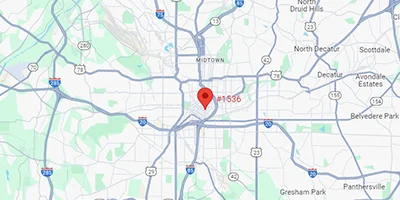
Atlanta
Personal Injury & Car Accident Lawyer
50 Hurt Plaza S.E. #1536,
Atlanta GA 30303
 Get Directions
Spaulding Injury Law:
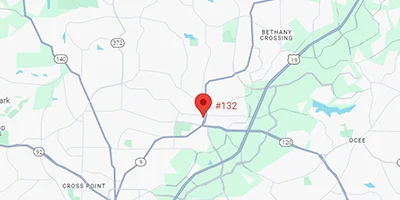
Alpharetta
Personal Injury & Car Accident Lawyer
44 Milton Ave #132
Alpharetta, GA 30009
 Get Directions
Spaulding Injury Law:
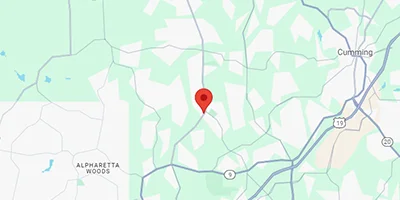
Cumming
Personal Injury & Car Accident Lawyer
5860 Bond St
Cumming, GA 30040
 Get Directions
Spaulding Injury Law:
Lawrenceville
Personal Injury & Car Accident Lawyer
223 Scenic Hwy S #202
Lawrenceville, GA 30046
 Get Directions