

As wrongful death lawyers, we know that with the current climate of the country, police conflicts and alleged abuses are appearing in the news every day. Indeed, the torrent of video footage from the past few months’ Occupied Wall Street protests has not only sparked cries for a review of police procedures, but has also made for a very sympathetic environment for plaintiffs seeking damages from police agencies. As a result, police departments around the country are reviewing policies and training procedures to reduce the potential threat of use of force lawsuits.
Recently, even the manufacturers of police equipment have absorbed some of the liability for police-related injuries and wrongful deaths. Last summer, a Federal Court ruled that Taser International, Inc. must pay $10 million to the family of a teenager who was killed when police deployed one of their electronic control devices. In the lawsuit, the parents of the deceased teenager and their wrongful death lawyer argued negligence on the part of the police officer in tasing the teen for over thirty-seven seconds and also argued that the manufacturer, Taser International, did not properly advise their police department clients of the known risk of death when the taser prongs strike near the heart. To place this into perspective, Tasers are designed to deliver a five-second burst to the intended subject and the ideal spread of the prongs is eighteen inches. The police department in question settled a related suit for $625,000.
Law enforcement officers in Atlanta and other areas of Georgia use a variety of weapons, tools, and tactics to apprehend recalcitrant subjects. Even when police devices are used properly, there is always the risk of temporary or permanent injury, or even death. In personal injury cases involving law enforcement, wrongful death attorneys will examine:
- Level of Force vs. Level of Resistance: For the level of resistance that was being offered, our wrongful death attorneys will determine if the use of police force was consistent with standard procedure, department policies, and Georgia law.
- Malfunction – Did the equipment perform in the manner that it was supposed to? Our wrongful death lawyers will find out. Tasers are designed to cut off after five-seconds before allowing another burst. The effects of pepper spray are supposed to subside after twenty minutes or so.
- Training – Were the officers properly trained by their department? Was the department given all of the information about the product by the manufacturer? The latter point was material in the Taser case.
If you have been injured by police officers or a loved one has died at the hands of law enforcement, you should contact a Georgia wrongful death attorney to discuss your rights.
Spaulding Injury Law
750 Hammond Dr #300
Atlanta, Georgia 30328
Phone: (770) 758-1382
Does Walking to School Expose Children to Risks?

Thousands of children in the Atlanta area walk at least part of the way to school every day. While walking to school can be a good source of exercise and allow children a little additional time to socialize, it also exposes them to the risk of being involved in a pedestrian accident. Data provided by the National Highway Traffic Safety Administration1 (NHTSA) indicates that of the 69,000 pedestrians who were injured in 2011, 11,000 of them were children aged 14 and younger.
Children are at particular risk for injury in a pedestrian accident, due to their smaller size, unfamiliarity with traffic laws, and inability to judge speeds and distances as well as adults. Fortunately, there are certain steps that parents can take in order to reduce the risk that their child will be hurt in a traffic accident. These include the following:
- Choose the safest possible route and practice walking it with your child – Choosing the safest possible route involves using streets that are not particularly busy and that have lower speed limits and limiting the amount of times your child needs to cross the street. In addition, choose a route that has sidewalks if one is available. Finally, practice walking the route you determine is safest with your child, taking special care to point out areas that may be more dangerous than others.
- Make sure that your child wears brightly colored clothing or is otherwise visible – Drivers are unable to avoid what they cannot see. By making sure that your child wears brightly colored or retro-reflective clothing, you can help make sure that motorists will be able to spot your child from a safe distance. In addition, children who walk during non-daylight hours can be made even more visible by carrying a flashlight.
- Teach your child proper crossing techniques at intersections and driveways – It is important to instill good pedestrian safety habits2 at an early age. Teach your child to look to the left, right, and then left again prior to crossing a street. In addition, it is important for children who walk in residential areas to learn to check to see whether there are drivers in parked cars who may be getting ready to start moving.
Contact an Atlanta Pedestrian Accident Lawyer Today to Schedule a Free Consultation.
Traffic accidents are bound to happen even under the best of circumstances. Fortunately, Georgia law often allows people who are injured in pedestrian accidents to recover from their injuries. To schedule a free consultation with one of our pedestrian accident lawyers, call Spaulding Injury Law today at (770) 284-3673.
References:
Getting into a car accident is always inconvenient. Sometimes, though, it can cause real financial concerns. If you are in a car accident, and the insurance company totals your car, will the settlement be enough to pay the balance of your car note off? Let our car accident attorneys explain some different scenarios.
What is Gap Insurance?
Our car accident attorneys recommend that you learn about this before an accident occurs. Gap Insurance will cover this difference between what you get paid for your totaled car, and what you owe on it. If your down payment on the car was less than 20% of the sale price, then you should consider gap insurance. It needs to be purchased before an accident, so if you don’t have gap insurance, and the accident was your fault, you will have to pay the balance due on the car. You will be responsible for the remainder of the payments. Call your loan company and work out a payment plan if you don’t have the full amount to pay the car off.
What if the Accident Wasn’t My Fault?
If the accident wasn’t your fault, that changes things. If you still owe money after the other insurance company has given you a figure on what they’ll pay for the total loss, ask for the difference. If you’re not sure how to navigate this scenario, hire a personal injury lawyer to work with you. This is the best way to get the full amount you owe on your car.
Who Is Responsible for Paying the Car Off?
Ultimately, you are. You agreed to borrow a certain amount of money at a certain percentage rate and to make all payments until the car is paid off. Without the collateral of the car (when your car is a total loss) the lender will expect loan repayment in full. There is a considerable danger in “rolling over” your note to buy a new car and include the balance due on a previous car. If you get into an accident, you can end up owing a lot of money on a totaled car.
Do I Need a Lawyer?
You certainly should hire one if you are in a situation like the one we described above. A personal injury lawyer will make sure that you get compensation for all aspects of your accident. In addition to property damage, you may have sustained injuries, missed wages, and run-up doctor bills. When it comes to the property damage portion of your claim, your attorney will make sure that the condition of your car is taken into consideration. All features must be figured into the total amount you are offered (air conditioning, power accessories, etc.).
The Bottom Line
If your car is totaled, and you don’t have gap insurance, and you still owe money on it, you will have to pay for it. A lot depends on if you are found at fault. Working with a car accident lawyer from the beginning may help with every aspect of your outcome. Get an ally that has your best interests at heart–contact the car accident lawyers at our law firm today!
What is Strict Liability in Law?
Strict liability laws in Georgia hold parties responsible for damages resulting from their actions or products, regardless of their intent or degree of negligence.
In this post, we’ll go over strict liability, its applications in different areas of law, and how our team at Spaulding Injury Law can help you get the best possible outcome in your case.
How Does Strict Liability Apply to Civil Cases?
Strict liability falls under three categories in civil cases, each with its own unique set of rules and considerations: owning wild animals, engaging in abnormally dangerous activities, and product liability. In these cases, a defendant can be held strictly liable for any harm that results from their actions, even if they did not intend to cause harm or act negligently.
Possession of Wild Animals
Even though most would agree that wild animals should live in their natural habitats, some Georgians have attempted to keep them in domestic situations. However, as we all know, wild animals have the potential for vicious and unpredictable behaviors.
Georgia prohibits the ownership of all big cats (lions, tigers, and cheetahs), bears, wolves, crocodiles, alligators, and venomous snakes. These animals are considered inherently dangerous and pose a threat to public safety if kept in domestic settings.
Georgia law also requires permits for the ownership of primates, certain species of non-native reptiles, and some hybrid animals. The permits are issued by the Georgia Department of Natural Resources and are subject to strict requirements regarding proper enclosures, veterinary care, and public safety measures.
If you own one of these wild or exotic animals and it causes harm to another person or their property, you are liable for the damage. Owning a wild animal is considered an inherently dangerous activity that falls under the category of strict liability in tort law, so even if you did nothing wrong, took reasonable steps to restrain your animal, and had no idea that your animal was dangerous, you are still responsible for any harm that your animal causes.
For example, if your pet tiger escapes from its cage and attacks your neighbor, you can be held strictly liable for the resulting injuries and damages, including medical expenses, lost income, pain and suffering, and property damage, even if you took all reasonable precautions to prevent the tiger from escaping.
Strict Liability for Abnormally Dangerous Activities in Georgia
In Georgia, abnormally dangerous activities are subject to strict liability standards, meaning that people who engage in these activities can be held liable for any harm or damage that results, even if they take reasonable precautions to prevent it.
Abnormally dangerous activities are defined as activities that are not commonly engaged in and carry a foreseeable risk of harm, even when participants act reasonably.
In Georgia, an activity must be uncommon in the community to be considered abnormally dangerous.
Examples of abnormally dangerous activities include:
- The use of hazardous materials, nuclear materials, and chemical materials
- Blasting, drilling, and other activities that pose a significant risk of harm to people or property.
Under strict liability for abnormally dangerous activities, damages can encompass more than just physical damage to a person or property. Lost wages, emotional pain, and other losses can also factor into a settlement.
Let’s say a chemical company in Georgia operates a plant that produces and stores large amounts of toxic chemicals. The plant is located in a residential area, and nearby residents have expressed concerns about the potential risks associated with the plant’s operations.
One day, there is an explosion at the plant, causing toxic chemicals to be released into the air and water. Nearby residents suffer from respiratory problems and other health issues as a result of the exposure. Droves of residents are forced to evacuate their homes, resulting in lost income and emotional distress.
Under Georgia law, the chemical company can be held strictly liable for the harm caused by the explosion, even if they took reasonable precautions to prevent it. The nearby residents can seek compensation for physical damage to their property, medical expenses, lost income, and emotional distress resulting from the incident.
In this example, the chemical company’s abnormally dangerous activity of producing and storing toxic chemicals led to harm to nearby residents, making them strictly liable for the resulting damages.
By imposing strict liability, Georgia law encourages companies to take all necessary precautions to prevent harm and ensure public safety, even when engaging in inherently risky activities.
Product Liability
Product liability is an area of law that holds manufacturers and designers accountable for damages consumers suffer due to their products. Product liability law can apply to consumer goods, medical devices, and industrial equipment. In general, product liability cases involve issues of negligence, breach of warranty, and strict liability.
When it comes to strict liability, there are three general categories of product defects that can result in lawsuits: manufacturing defects, design defects, and warning defects.
Manufacturing Defects
Manufacturing defects occur when a product is not made according to the intended design and result in damage to consumers. These defects can involve defective components or unintended additives, leading to lawsuits, even if the manufacturer did not know the errors.
Let’s say a company manufactures and sells electric blankets. One of the blankets is designed to automatically shut off if it overheats to prevent fires. However, due to a defect in the manufacturing process, the automatic shut-off feature on one of the blankets is missing.
A consumer buys the defective blanket and uses it while sleeping. During the night, the blanket overheats and catches fire, causing serious burn injuries and property damage.
In this case, the defective blanket is an example of a manufacturing defect, as it was not made according to the intended design. Even if the manufacturer did not know about the defect, they could be held strictly liable for the harm caused by the defective product. The consumer could file a lawsuit against the manufacturer for their damages, including the cost of medical treatment, property damage, lost income, and pain and suffering.
Design Defects
Design defects occur when a product is designed in a way that makes it inherently dangerous, even if it is manufactured perfectly. In these cases, the defect is not in the production process but in the product’s design itself.
For example, if a car’s design makes it prone to rollovers, resulting in injury or death, the manufacturer can be held liable for the design defect, even if the car was manufactured perfectly.
Warning Defects
Warning defects occur when a product does not come with adequate warnings or instructions, leading to harm or injury to the consumer. In these cases, the product itself may not be defective, but the lack of proper warnings or instructions makes it dangerous.
Let’s say a pharmaceutical company manufactures and sells a prescription medication intended to treat hair loss. The medication has a known potential side effect of causing severe heart problems in a small percentage of patients.
The company does include a warning about the potential side effects in the medication’s instructions, but the warning is buried in small print and is not prominently displayed. Additionally, the warning is not clearly written and does not accurately convey the severity of the risk.
A man takes the medication and suffers a heart attack as a result of the side effects. The man was unaware of the potential risk, as the warning was unclear. The man’s medical expenses pile up, and he suffers pain and suffering as a result of the heart attack.
In this case, the pharmaceutical company can be held strictly liable for the harm caused by the warning defect, even if they did not know about the specific incident. The lack of a clear and accurate warning label constitutes a warning defect, as it does not properly inform the patient of the potential risks associated with the medication.
The man can pursue legal action against the company to seek compensation for his damages, including medical expenses, lost income, and pain and suffering. The pharmaceutical company can be held responsible for any harm caused by the warning defect, encouraging them to provide clear and accurate warnings about their products’ potential risks.
Punitive Damages
In some product liability cases, punitive damages may be awarded when the defendant’s actions are particularly egregious or when they demonstrate a pattern of willful or reckless conduct to deter future misconduct and hold the defendant accountable for their actions.
Punitive damages are a form of compensation that can be awarded in product liability cases in addition to compensatory damages. Unlike compensatory damages, which are designed to compensate the plaintiff for their losses, punitive damages are intended to punish the defendant for their actions and to deter them from engaging in similar misconduct in the future.
For example, if a car manufacturer knew about a defect that made their vehicles prone to catching fire but failed to issue a recall, resulting in the death of several drivers, punitive damages may be awarded to punish the manufacturer for their reckless conduct and to deter them from similar behavior in the future.
Similarly, if a medical device company knowingly markets and sells a defective pacemaker that causes harm to patients, punitive damages may be awarded to hold the company accountable for its actions and to deter them from continuing to prioritize profits over patient safety.
Punitive damages can also be awarded in cases where the defendant engaged in intentional misconduct or fraud. For example, if a food manufacturer intentionally mislabels their products to hide the presence of a harmful ingredient, resulting in widespread illness and injury, punitive damages may be awarded to hold the company accountable for their fraudulent behavior and to deter others from engaging in similar misconduct.
Get Compensation for Your Injuries with Spaulding Injury Law
If you or a loved one have been injured due to a product defect or dangerous activity, contact Spaulding Injury Law today to talk about ways to get compensated for your damages. With over 15 years of experience, we know how to hold responsible parties accountable for their actions.
Don’t suffer in silence – contact Spaulding Injury Law today to schedule a free consultation and start the process of getting the justice and compensation you deserve.
If you were recently involved in a 3-car accident, you need to determine who is at fault, as the responsible driver is typically liable for property damage and any injuries.
If you’ve been injured in a multi-car accident in Atlanta, Spaulding Injury Law: Atlanta Personal Injury & Car Accident Lawyer can help. Read on to learn more.
What Are Multi-Car Accidents?
A multi-car accident happens when more than two vehicles are involved in a collision. It could be a 3-car accident, 4-car accident, or even more, but as long as it involves more than two vehicles, it’s considered a multi-car accident. The vehicles involved can be cars, trucks, or motorcycles, and any combination of these qualifies as a multi-car accident.
Common Multi-Vehicle Crash Scenarios
If you were involved in a three-car accident, it might have been caused by one of the following scenarios.
Rear-End Collisions in Multi-Car Accidents
Chain reaction accidents often result from one motorist rear-ending another. This impact can push a vehicle into the one in front of it, creating a domino effect. If the driver who initiated the crash was traveling at a high speed, the rear-end collision could cause damage to several vehicles.
Head-On Collisions Leading to Multiple Vehicle Pile-ups
Head-on collisions can block multiple lanes of traffic, making it difficult for drivers to react quickly enough to avoid a crash, especially in heavy traffic. This can result in multi-vehicle pile-ups that are dangerous and sometimes fatal.
T-Bone Collisions Causing Multi-Car Accidents
T-bone collisions frequently occur at intersections where crossing traffic poses a risk for accidents. Drivers must respond quickly to avoid a collision, and high speed in the striking vehicle can push the other vehicle into oncoming traffic, potentially resulting in a multi-car accident.
What Are the Most Common Causes of 3 Car Accidents?
Multi-car accidents can happen for almost any reason, but some of the most common causes of multiple-car accidents include:
- Excessive speed
- Tailgating
- Unsafe or improper lane changes
- Driver distractions
Below is a more detailed discussion of each of these factors.
Speeding
Speeding drivers increase the likelihood of accidents, and driving too fast can also impact the severity of injuries sustained in a crash. Motorists are responsible for driving safely according to the road conditions they encounter. When they fail to do so, they endanger themselves and others.
Tailgating
Tailgating happens when a driver follows another vehicle too closely. Often, tailgating drivers lack the time or space to slow down or stop safely, leading them to collide with the vehicle in front of them and potentially pushing that car into further danger.
Improper Lane Changes
Unsafe lane changes, such as those made without checking surrounding traffic or signaling, can create hazardous road conditions and increase the likelihood of multi-car accidents.
Distracted Driving
Distracted driving, particularly due to cell phone use, is increasingly common and often contributes to multiple car accidents. All drivers have a duty to drive safely and responsibly, and when multiple drivers are distracted, it creates a “perfect storm” for a three-car accident or even more.
Determining Fault in Multi-Car Rear-End Accidents
Rear-end accidents often lead to multi-car collisions as vehicles pile up behind one another, sometimes resulting in chain reaction accidents.
The First Car to Rear-End Another Is Usually at Fault
In a three-car accident, the first driver to rear-end another vehicle is typically considered responsible, as the rear vehicle generally has the most opportunity to avoid a crash. This is especially true if the rear vehicle collides with other drivers who have managed to stop safely.
Shared Liability in Chain Reaction Accidents
In some cases, multiple cars may be involved in rear-end collisions, and another driver may hit the cars already stopped, worsening the pile-up. In this situation, the original driver who caused the pile-up is likely responsible, but liability for the multi-car accident may also be shared with the distracted driver who caused additional damage.
Fault in Multi-Vehicle Accidents Involving Head-On Collisions
In some cases, a head-on collision can cause a three-car accident.
Liability usually depends on which car crosses into oncoming traffic. If a car drifts into oncoming traffic and causes a multiple-vehicle pile-up, that car’s driver is generally responsible for damages and injuries. However, if another vehicle side-swipes the car and forces it into oncoming traffic, the driver who caused the side-swipe may be at fault.
Who is At Fault in Multi-Car Accidents at Intersections?
Intersection accidents are often the result of improper left turns or drivers ignoring traffic signals or signage:
- Left Turn Intersection Accidents: A driver who attempts a left turn without waiting for crossing traffic to pass may cause a T-bone collision, potentially leading to a multi-vehicle accident. Liability depends on whether the turning driver had the right of way; if not, they are responsible for the crash.
- Ignoring Traffic Control Devices: A driver who runs a stop sign or red light is always at fault for a collision, although they may share responsibility if the accident involves cars that have already crashed.
Fault in Multi-Vehicle Accidents Resulting from Lane Changes
Improper lane changes can cause three-car accidents.
For example, if one driver drifts into another lane and causes a collision, they are likely responsible for the multi-car accident. In rare cases, other drivers may share responsibility, particularly if distracted driving is a factor.
Evidence to Determine Multi-Car Accident Liability
Multiple forms of evidence can be used to determine liability in multi-car accidents:
- Photos of the accident scene, such as skid marks, road hazards, or vehicle damage, can support other findings.
- Dash-cam or surveillance videos can help reconstruct the accident and identify responsible parties.
- Vehicle damage and paint transfer patterns can provide clues about how the accident unfolded.
- Witness statements can be valuable in determining fault.
- Electronic data recorder (EDR) data, or a truck’s black box, can offer crucial information about vehicle conditions and driver inputs.
- Police reports typically include essential details, such as date, time, location, and the officer’s determination of fault.
Contact a Georgia Personal Injury Attorney for Help
If you’ve been involved in a 3-car accident, the multi-vehicle accident attorneys at Spaulding Injury Law can help. With multiple responsible parties possible, our investigative resources can be invaluable in determining liability. Contact us today for a free consultation.
Are U-Turns Legal in Georgia?
U-turns can provide you with a great opportunity to correct a navigational error, to get where you need to be when the location is inconveniently situated, or to help in any number of ways. All told, U-turns can serve an important purpose, and while they are generally safe – when the appropriate caution is exercised – this isn’t always the case. Car accidents can result when a driver makes a U-turn.
When U-Turns Are Decidedly Illegal
The State of Georgia places limitations on when you can legally make U-turns on its roads, and knowing when it’s legal to proceed with a U-turn and when it isn’t can help you make our roads safer for everyone, including yourself.
On Curves
When you’re traveling into a curve, it is impossible to see what’s coming your way, which makes pulling a U-turn in order to change directions exceptionally dangerous. The same is true when you’re traveling out of a curve – in relation to what’s coming up from behind. It is only safe to use a U-turn to change directions when you have a clear view of the traffic all around you – taking curves off the list of places where it’s legal to do so.
On Hills
As you travel toward the top of a hill, you can’t see other vehicles coming toward you, and they can’t see you. Once you’ve crested the hill’s top, you don’t know what’s coming from behind you. When you’re on a hill or incline, visibility is reduced, which makes U-turns completely unsafe – as well as illegal.
Where U-Turns Are Prohibited
There are certain driving situations that don’t fall into the other categories but that, nevertheless, don’t lend themselves to safe U-turns. When you see a sign prohibiting U-turns, it’s the state’s way of letting you know – in no uncertain terms – that it’s unsafe and illegal to proceed with such a turn.
Where It Isn’t Safe to Make a U-Turn
Just because you aren’t on a curve or incline does not mean that a U-turn is necessarily legal. If a driver can’t make the U-turn safely or if proceeding with the turn interferes with oncoming traffic, it’s an illegal U-turn. As such, if a driver causes an accident in the course of making a U-turn, the argument can be made that the turn was illegal, to begin with.
Driver Negligence
Drivers are responsible for following the rules of the road and for allowing the safe passage of everyone with whom they share the road. Motorists who recklessly engage in U-turns in order to make things more convenient for themselves often cause dangerous accidents. When other forms of driver negligence – such as the following – are involved, it increases the risk that drivers will proceed with dangerous U-turns and cause serious accidents in the process:
- Distracted drivers
- Drivers who speed excessively
- Drivers who are impaired
- Drivers who are drowsy
- Drivers who are aggressive
Other drivers owe you a duty of care that includes proceeding safely in accordance with the situation at hand, which often means foregoing U-turns.
Reach Out to an Experienced Georgia Car Accident Attorney Today
If you’ve been injured by a negligent motorist making a U-turn, an experienced Georgia car accident attorney is standing by to help.
If someone making a dangerous or outright illegal U-turn causes you or someone you love to be injured, the focused Georgia car accident attorneys at Spaulding Injury Law have a wealth of experience guiding complex cases like yours toward advantageous outcomes that support our clients’ rights and best interests. Your claim is important, so please don’t put off scheduling your free case evaluation by contacting or calling us at 770-744-0890 today.
Driving with the Seat Laid Back
Some drivers like to recline way back when they drive. Sometimes, it’s a matter of comfort or driving style, and the younger the driver, the more likely they are to push the limits on the seat’s recline function. The fact is, however, that this is not only a phenomenally bad idea for the driver himself or herself, but it is also a bad decision in terms of safe driving and the safety of everyone else on the roadway, as it can cause serious car accidents and injuries.
If you are injured by another driver’s negligence – in the form of a laid-back seat or anything else – look no further than an experienced car accident attorney in Atlanta for the legal guidance you need.
Peeking over the Steering Wheel
When motorists lean way back in their seats, they have to peek over the steering wheel – regardless of how tall they are and how small the car might be. The angle forces one’s head back and requires craning to look forward. Drivers are tasked with the primary responsibility of driving safely, which requires us to pay careful attention to the road ahead and to the traffic all around, and there is simply no way to effectively and efficiently manage this when the head of the motorist in question is leaning back.
Reclining Discourages Looking Back
We are most at risk of causing dangerous traffic accidents when we change lanes or leave the lane we’re driving in for any reason, such as taking an exit. When you leave your lane, you enter the other lane’s flow of traffic, and if you don’t take all the necessary precautions before doing so, it can lead to serious accidents. These necessary precautions include all the following:
- Checking your rearview mirror
- Checking your side mirror
- Looking back to check your blind spots
Each of these actions is far more difficult to accomplish when the driver is pitched at a backward angle. In fact, such drivers need to pull themselves forward and readjust before they are physically capable of taking these precautions, and they are much less likely to bother.
Paying Attention in the Here and Now
Motorists are required to respond in real-time to whatever they encounter on the road, and we never know what that might be. Anything that increases our reaction time, such as having to hoist ourselves forward to get a better view of what we’re up against, elevates the risk that we’ll fail to respond safely. Sitting in an overly reclined position is a prime example of a variable that can significantly increase a driver’s reaction time, which makes it a form of driver negligence.
Turn to an Experienced Atlanta Personal Injury Attorney for the Help You Need
If you’ve been injured by a motorist who likes to lean back and take it easy behind the wheel, the formidable Atlanta car accident attorneys at Spaulding Injury Law understand the gravity of your situation and are here to help. To learn more, please don’t hesitate to contact or call us at 770-744-0890 today.
Lawrenceville, Georgia is all about family and parents want to take their kids with them when they go for a day of adventure and fun. If this sounds like your family, the city of Lawrenceville is the place for you. We will provide you with several options for family fun with your kids.
- Lunar Mini Golf
Glow in the dark mini golf. This is a fun indoor activity, and the scenes are space themed with the kids running from hole to hole. It may take a minute to get used to the dark, but the course is easy enough for children and this gives you a cool option on a hot summer day.
- Mystery Room
Escape rooms are really popular right now. You have a limited amount of time to solve the clues and exit the room. This is a family adventure, which is fun for kids and even seniors. It takes some brain power and you may be impressed by who gets the clues first.
- Aurora Theater
Everyone should catch a live production at this performing arts center. Made into an old church (some pews are still around for ambiance) and right in the middle of all the great area places to eat is this crown jewel.
- Sparkles Family Fun Center
Skating, arcade games, laser tag, and tons of snacks! This is just a wholesome place to enjoy an evening with the family and it is reasonably priced, with something for everyone.
- Jumpstreet Indoor Trampoline Park
This place is great! The cost is reasonable. Everything is bright and colorful and fun. The kids get lots of exercise in a safe environment. Party rooms are available and the trampolines are designed to accommodate children by their age. Older children get larger trampolines, while smaller trampolines with all the padding are used for young children. One place that all the kids like – priceless!
- The Flying Machine
This is where you go if you want some good home-cooking, some live music, and you (or the kids) love airplanes. You get a full view of the airport runway. The kids will have the time of their lives watching the planes arrive and depart. Great prices, lunch specials, a buffet and feature performers (besides the regulars). This is a great place to take the family for lunch or dinner.
- FunAthon
This indoor playground has trampolines, arcade games, moonwalk, rides, climbing, sliding, eating and more. The prices are good. The entire place is geared toward children, with kid-sized tables, play areas, music, prizes and snacks and foods that they like. Good for a party or a place to let the kids spend some energy. Thumbs up!
The city of Lawrenceville publishes a monthly calendar on their website that shows the many activities sponsored by the city. For example, in the month of June, they play a free “movie on the lawn.” Some past movies include Rogue One – A Star Wars Story, and later in the month, they do a free summer concert. Long story short, every summer there is family-friendly activities.
Keep in mind we have not touched on the parks, swimming, hiking, museums, sports and dozens of other things that are available in Lawrenceville. The bottom line is this. If you are looking for a place to have some fun with your kids – you have found it.
Who Can File a Wrongful Death Claim in Georgia
Wrongful death litigation may be one of the most painful legal actions for plaintiffs in the field of law. Because of the actions of another—through their negligence or ill intent—a loved one has lost their life.
In the State of Georgia, it’s important to keep in mind that not everyone can bring a suit against a negligent party for a wrongful death. If you have lost a loved one, talk to a wrongful death lawyer to discuss your legal options.
Who Can File A Wrongful Death Suit in Atlanta, Georgia?
There is an established hierarchy that is observed by the Georgia civil courts:
- Surviving Spouse – If one exists, the surviving spouse is the first person of familial relation who can make a claim for wrongful death. However, the proceeds from such a suit must be divided equally among any surviving children that the deceased spouse may have had.
- Surviving Children – If a spouse does not exist or is not present, the children may pursue a wrongful death claim through the courts.
- Surviving Parents – In the absence of a spouse or surviving children, one or both of the parents can bring forward a wrongful death claim. In the event that the parents are no longer together, the court decides on the apportionment of the award.
- Next of Kin – If a person has been designated next of kin by the estate, and no spouse, children, or parents are in the picture, that individual can sue a negligent party for a wrongful death incident.
- Administrator/Executor of the Estate – If a person was named the administrator of the estate, he or she can sue on behalf of the survivors. Any award is divided among the beneficiaries of the estate.
These parties are entitled to compensation awarded via wrongful death settlements or verdicts.
Who Does Not Have the Right to File A Wrongful Death Lawsuit in Georgia?
Friends and non-family members usually have no claim in a wrongful death suit, unless they are the estate administrator.
Boyfriends, girlfriends and even soon to be spouses do not have a right to wrongful death damages.
The Statute of Limitations For Wrongful Death Cases in Georgia
The statute of limitations for bringing about a wrongful death suit in the State of Georgia is usually two years after the date of death. Be careful because this is in typical cases like motor vehicle accidents. The statute of limitations may be different or start at a different time depending on the specific facts of your case. Talk to a wrongful death attorney to find out how long you have to file a claim.
Because of the complexities involved in litigating a wrongful death case, unnecessary delays are not recommended. The first step in determining whether or not you have a viable case is to contact a wrongful death attorney. An experienced attorney knows how to prove wrongful death, so he or she can work tirelessly to recover the compensation you deserve.
Seek Legal Representation From An Experienced Wrongful Death Attorney in Atlanta
Wrongful death cases are emotionally taxing, and you will be spending a lot of time with your wrongful death attorney. You may have to speak to two or three wrongful death lawyers before you find one that you’re comfortable with. This is why it’s important that you begin your search for a reputable, qualified Georgia attorney as soon as reasonably possible. Contact Spaulding Injury Law to speak with the best wrongful death lawyers in Atlanta.
Things to Do in Conyers, GA
If you live in or near Conyers, Georgia – or are planning to visit – it’s a good idea to know about enjoyable things to do. Fortunately, you’ve come to the right place – because not only does Conyers enjoy beautiful weather and scenery all year round, but there is also plenty to entertain you.
Of course, with any activity comes the risk of accidents and injuries. If this happens to you, our Conyers injury attorneys are ready to help.
If You’re Ready to Relax
If you’re ready to unwind and experience a breathtaking monastic landscape any time of the year, the Monastery of the Holy Spirit is the ticket. This monastery is where the state’s Trappist Monks make their home, and it offers all the following:
- 2,300 acres of restful space that includes a lake to stroll around
- The stunning Norman Gothic architecture of the Abbey Church, which is open for prayer and meditation
- A state-of-the-art, kid-friendly, educational, and interactive museum (the Monastic Heritage Center)
- Bonsai gardens
- A gift shop and cafe
Black Shoals Park at Randy Poynter Lake
Black Shoals Park at Randy Poynter Lake has something for everyone. The gorgeous expanse of land includes a 650-acre reservoir on which pier fishing and electric, sail, row, and man-powered boats (like canoes, kayaks, and paddle boats) are allowed. Because it serves as the community’s reservoir for drinking water, however, swimming and gas motors are not. The reservoir sports a boat launch, and the grounds are liberally sprinkled with hiking trails, picnic spots, and a well-equipped playground.
Take a Movie Tour
The natural beauty that abounds in and around Conyers lends itself well to movies and television shows, and a small sampling of these include:
- Sweet Home Alabama
- Ozark
- Stranger Things
- The Resident
- In the Heat of the Night
- Vampire Diaries
- The Originals (earning Conyers the name of Georgia’s French Quarter)
- Halt and Catch Fire
You can pick up a brochure that fills you in on some of the film highlights at the Conyers Welcome Center or can use the Guide to Conyers app to take a self-guided tour.
If You’re Injured in Conyers
If someone else’s negligence causes you or someone you love to be injured in Conyers – in a car crash or any other type of accident – seeking compensation for the physical, financial, and emotional losses you experience can mean the difference between achieving your most complete recovery and failing to do so. One of the most important steps you can take to help protect your claim and your recovery is reaching out to a dedicated Conyers personal injury attorney as soon after the injury-causing accident as possible.
Discuss Your Claim with an Experienced Conyers Personal Injury Attorney Today
If someone else’s negligence leaves you injured, the formidable personal injury attorneys in Conyers, Georgia, dedicate their impressive practice to helping claimants like you obtain just compensation that covers their full range of losses. To learn more about how we can also help you, please don’t hesitate to contact or call us at 770-744-0890 for a free case consultation today.
Connect with us


- November 2025
- October 2025
- September 2025
- August 2025
- July 2025
- May 2025
- April 2025
- March 2025
- February 2025
- January 2025
- December 2024
- November 2024
- October 2024
- September 2024
- July 2024
- June 2024
- May 2024
- April 2024
- March 2024
- February 2024
- January 2024
- December 2023
- November 2023
- August 2023
- June 2023
- May 2023
- April 2023
- March 2023
- February 2023
- August 2022
Archives
- Alpharetta
- Atlanta
- Atlanta Legal Service
- Back Injuries
- Brain Injuries
- Car Accidents
- Construction Accident
- Covid-19
- Cumming
- Dog Bites
- FAQs
- Firm News
- Georgia
- Gwinnett County
- Interview
- Lawrenceville
- Motorcycle Accidents
- Negligent Security
- Pedestrian Accidents
- Personal Injury
- Premises Liability
- Property Damage
- Slip and Fall Accidents
- Spaulding Injury Law Service
- Swimming Pool Accidents
- Train Accidents
- Truck Accidents
- Uncategorized
- Video
- Wrongful Death
Categories
Spaulding Injury Law:
Atlanta
Personal Injury & Car Accident Lawyer
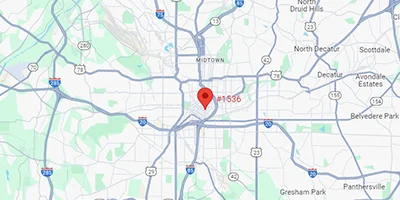
50 Hurt Plaza S.E. #1536,
Atlanta GA 30303
 Get Directions
Spaulding Injury Law:
Alpharetta
Personal Injury & Car Accident Lawyer
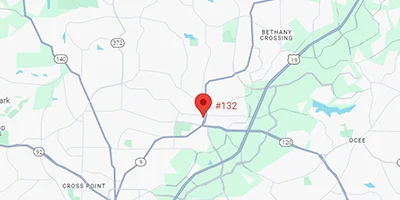
44 Milton Ave #132
Alpharetta, GA 30009
 Get Directions
Spaulding Injury Law:
Cumming
Personal Injury & Car Accident Lawyer
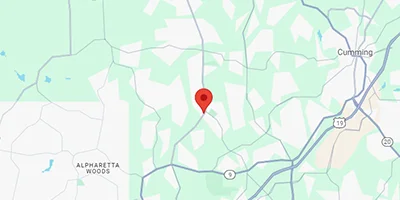
5860 Bond St
Cumming, GA 30040
 Get Directions
Spaulding Injury Law:
Lawrenceville
Personal Injury & Car Accident Lawyer
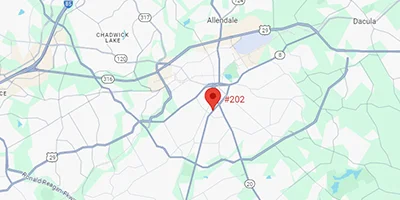
223 Scenic Hwy S #202
Lawrenceville, GA 30046
 Get Directions