
Proving Fault In An Injury Claim

In Georgia, if you’re injured by a person who was negligent, you are entitled to compensation for your medical expenses, your lost wages, and all other accident-related damages. But obtaining compensation isn’t as easy as it sounds.
Think about it. When someone is injured, it’s almost always because someone was careless.
Whether it’s a traffic accident injury, a slip-and-fall injury at a restaurant or a supermarket, or a dog bite injury on your own street, the central legal question about an accident with injuries is simply this: Who was at fault? Can an Atlanta car accident attorney help?
What Legal Principles Are Used to Determine Fault?
The basic legal rule is that the person who was at fault should pay for the damages suffered by the injured person. If both people were partially at fault, the more negligent person should pay at least part of the more responsible person’s damages.
To determine liability in a particular case, that basic rule is usually combined with one or more of these five legal principles:
Under the legal doctrine of comparative negligence, if the victim was also negligent, compensation should be reduced by the percentage of the victim’s fault.
Under Georgia’s “modified” comparative fault system, each party is liable for damages in proportion to each party’s own percentage of fault, unless the injury victim’s own negligence reaches fifty percent, at which point no damages may be recovered.
If the injury victim was not where he or she should have been – usually meaning if the victim was trespassing or in a restricted area – or was where he or she should have reasonably expected the type of activity that caused the accident and injury, a property owner may not in many cases be liable for any damages.

If someone is injured using a defective consumer product, sellers and distributors, as well as manufacturers, may in some cases be partially liable.
When an accident with injuries happens on private property because the owner has maintained the property carelessly, that owner may be liable even if he or she did not directly create the dangerous condition that caused the accident.
If a negligent party causes an accident with injuries while he or she is employed and at work for a third-party employer, that employer may have partial liability.
In traffic accidents, a vehicle owner who loans his or her vehicle to a driver who causes an accident may also in some cases have partial liability.
How Does Georgia’s Modified Comparative Fault System Work?
Even if you are somewhat distracted or careless when an accident happens and you’re injured, if another person injured you and that person was negligent, an experienced Atlanta personal injury attorney may be able to help you recover some compensation.
Here’s an example of how it might work in a typical accident scenario here in Georgia.
Let’s say that you are speeding – not excessively, but maybe five over seven miles per hour over the limit – and you are proceeding through a green traffic signal when your vehicle is struck by an intoxicated driver coming through a red light at thirty miles per hour over the speed limit.
Then let’s say – to make the math easy – that your total damages amount to $100,000.
Most injury cases are settled out of court. Lawyers for both sides negotiate an agreement that all parties involved can accept.
But if no settlement is achieved and your case goes to trial, a jury might award you the full $100,000, or they might decide that your five or seven miles per hour over the speed limit makes you ten or twenty percent at fault for the collision and award you only $80,000 or $90,000.
When an Accident Happens, What Steps Should You Take?

Experienced Atlanta personal injury attorney Theodore A. Spaulding with Spaulding Injury Law explains, “not all injury cases involve an issue of proving fault, but in the ones that do, it becomes imperative that you know what evidence to look for to help proving fault in each particular type of case … and get to that evidence quickly, often time before you know fault is or is not an issue.”
If you’re injured by negligence in any kind of accident, even before you speak to a personal injury attorney, you need to take some basic steps to protect yourself.
Get medical attention at once for yourself and for anyone else injured in the accident.
If it’s a traffic collision, call the police, and exchange contact and insurance information with the other driver or drivers.

If you’re injured at work, report your injury immediately and follow your employer’s procedures for dealing with an injury. If you are injured on private property, report your injury to the property’s owner or manager.
If it’s a traffic accident, you’ll have to inform your auto insurance company but do not make any formal statement, sign any document, or allow the company to record you.
What Kind of Evidence Might Help Prove Fault?
Take photographs of your visible injuries, any associated property damage, and the general accident site or location. If eyewitnesses saw what happened, try to get their names and a way to contact them later.
You may need their statements or their testimony to support your personal injury claim. Of course, immediately after an accident, you can’t know what evidence or testimony you may need later, so you must be prepared.

After receiving medical treatment for your injury or injuries, discuss your case right away with an experienced Atlanta personal injury attorney.
That attorney will tell you candidly if you can and should file a personal injury lawsuit, and if the recommendation is to sue, that attorney will launch an investigation of the accident, gather evidence, question witnesses, negotiate aggressively for a fair settlement, and take your case to trial if necessary.
Some states like Montana have different laws and Montana personal injury attorneys can help.
Proving fault isn’t always easy in a personal injury case, but if you get medical treatment at once, take photographs, and have eyewitnesses and a good attorney’s help, you should be able to prove fault, and you’ll be in a good position to receive compensation for your medical expenses, lost wages, and all other related losses and damages after an accident.

As motorcycle injury attorneys, we have seen it far too often. Big insurance companies regularly employ tactics to try to avoid paying you full and fair value for your injuries following a motorcycle accident.
In fact, many if not most insurance companies offer their claims representatives bonuses for getting you to agree to settle your injury claim for less than the insurance company knows it to actually be worth.
That’s right. An insurance company may have investigated your accident and injuries and know your claim to actually be worth tens of thousands of dollars more than they are offering to pay you.
Their hope is that you will not hire or even consult with an experienced Atlanta injury attorney and will accept whatever offer they tell you is fair value.
If they can settle a $100,000 motorcycle accident injury claim for $50,000, then that means the $50,000 that the insurance company should have had to pay stays in their coffers and goes to pay their claims representative a fat bonus and to boost their profits rather than to pay the injured person what their injuries were really worth.
Do not let this happen to you. There are four main tactics that we see insurance companies use over and over again to avoid paying you full value on your Atlanta motorcycle injury claim, and we are going to let you in on their secret strategies:
1. The Insurance Company Will Tell You Almost Anything to Get You to Make a Recorded Statement About Your Accident.
Insurance companies LOVE recorded statements. But why?
Because a recorded statement is you testifying against yourself on tape. The only reason they want to get you on tape is to catch you saying or not saying something that they can use against you later in court.
The insurance claims adjusters are trained to ask you very detailed and very specific questions very early on in your claim before you likely even know the full extent of your injuries.
Plus, insurance companies know many people tend to downplay their own injuries because they don’t want to be seen as weak or as a whiner. And they know that by getting that on tape early they can use that natural tendency against you later.
Even though your neck or back may be very painful right after an accident, you may not mention it at all to the insurance adjuster hoping it will just go away in a few days or you may downplay the severity of it.
When they ask you to tell them everything that is injured and you only talk about your road rash and scrapes and bruises but say nothing about your back being sore or neck being painful, they know they can use that against you later to make it sound like you are lying or exaggerating if your neck or back winds up being more injured than you first thought.
There is absolutely no benefit to you in giving a recorded statement to an insurance company. None.

The sole purpose of it is to give the insurance company permanent evidence to use against you later. They will never tell you that. In fact, they’ll do everything they can to convince you that you MUST provide a recorded statement or else they cannot process your claim and will not pay you anything.
It makes our blood boil every time we hear a client tell us an insurer has told them that because it is a bold-faced lie. There is absolutely no requirement in the state of Georgia for you to provide a recorded statement to another person’s insurance company as a condition for them to process your claim.
Now, if you are making a claim on your own insurance policy, you may have a greater duty to cooperate because you have an insurance contract with the insurance company that you have to abide by for them to provide the coverage you pay for.
But, you have absolutely NO DUTY to provide any type of recorded statement to any other person’s insurance company for them to process your claim.
They have investigators and tools they can use to figure out what happened in your accident without you having to tell them in a recording, and you can provide them your own medical records later to demonstrate your injuries once you know their full extent.
2. The Insurance Company Will Say Anything to Get You to Sign a General Medical Authorization Release.
Thanks to federal HIPAA laws, insurance companies cannot gain access to your private medical records unless you grant them permission to do so. Much like the recorded statement, they will tell you that you must provide them this information in order for them to be able to process your claim and pay your medical bills.
They will even make it sound like they are doing you a favor by just having you sign one form so that you don’t have to go to the trouble of getting your own medical records and sending them to the insurance company.
While it may sound daunting to you to have to figure out how to get all of your own medical records and send them to the insurance rather than just signing a single piece of paper enabling the insurance company to do that themselves, resist the temptation to take the easy way out and sign that general HIPAA release for the insurance company.
Again, just like with the recorded statement, the insurance company is looking out for their own interests, not yours, by offering you a general medical authorization (HIPAA release).
Generally, all the insurance company has a right to see when evaluating your injury claim are the medical records for the treatment you received related to your accident.

But if you sign a general medical authorization, the insurance company will not limit itself to just your accident-related medical records. Instead, they will obtain and comb through your entire medical history looking for anything that could show that your injuries might have been caused by something other than this accident.
So that one time 15 years ago in high school that you went to the doctor complaining about a stiff neck following wrestling practice will suddenly become proof that your whiplash in the accident could not have caused your neck injury.
3. The Insurance Company Will Offer You Money Early on Before You Know How Injured You Are.
Insurance companies in Atlanta can be quick to throw out cash offers at the beginning of a claim before you or the company has any idea the full extent of your injuries.
When you just have a few scrapes and bruises following a motorcycle accident and don’t have any plans on returning to the doctor again, a $5,000 settlement offer from the insurance company no questions asked may sound appealing. But that is what they are counting on.
They are gambling that 8 or 9 times out of 10 your case will wind up being worth more than $5,000 by the time you know the full extent of your injuries, and by settling early, they wind up saving money. Do not take that kind of gamble.

Wait until you know the full extent of your injuries before you settle because otherwise, you are gambling away potentially thousands or tens or even hundreds of thousands of dollars if you wind up having a serious injury that does not show up right away.
And the real secret the insurance company won’t ever tell you is that the $5,000 offer they threw out no questions asked up front will almost always still be available to you weeks or months later for you to accept even if you realize your case may not even be worth $5,000.
So, you risk nothing by saying no to it up front and potentially risk tens or hundreds of thousands of dollars in fair compensation if you say yes to a low settlement offer early on before knowing the full extent of your injuries.
4. The Insurance Company Will Drag Out the Motorcycle Claim.
The converse of the quick, no-questions-asked settlement offer is the insurance company dragging their feet by ignoring you or delaying their responses to your calls and emails hoping that you will eventually give up, take their low offer, drop the claim, or let the statute of limitations expire.
In Georgia, the statute of limitations for an Atlanta motorcycle injury claim is almost always two years from the date of the accident. That means you have to settle your claim or file a lawsuit within two years of the date of the accident or you will be forever barred from doing so.

Don’t let the insurance company deny you full and fair compensation for your motorcycle accident claim with these 4 tactics. Contact an Atlanta motorcycle accident attorney today.
The Most Common Motorcycle Accidents
Motorcycle crashes are serious because there really is no such thing as a fender bender or minor accident for a rider.
Every motorcycle crash has the potential to cause serious injuries to the rider, and even avoiding a vehicle crash can seriously injure a rider if they have to lay their bike down or make other maneuvers to avoid the crash.
Research and experience representing motorcycle injury victims have taught our motorcycle injury attorneys that one scene in particular presents motorcycle riders with the highest risk of being involved in a crash or having to lay their bikes down.
What is it? Entering an intersection where another driver is attempting to turn left in front of the motorcycle.
That is it. That one maneuver leads to the most motorcycle accidents in Georgia and across the country!
The main reason we have seen for the cause of these types of motorcycle wrecks is that the driver turning does not see the motorcycle coming. In one of our recent cases, it was at night on a side road outside a neighborhood in Cobb County.
The plumbing truck did not see our client’s motorcycle despite the fact he had his headlights on and turned right in front of him as he was entering the intersection on a green light.
The collision caused our client to go up over his handlebars over the hood of the plumbing truck to the ground on the other side, breaking many, many bones in his body.
In another case, a young main high on multiple drugs turned left in front of our client’s motorcycle driven by the husband with his wife on the back. Our client’s husband laid the bike down to try to avoid the collision saving his wife’s life but unfortunately killing him.
This occurred in broad daylight on a one lane road. Obviously, in this case, reckless driving due to intoxication was the culprit. It is nonetheless a cautionary tale for motorcycle riders that all intersections are dangerous for a biker and extreme defensive driving is warranted when approaching all intersections.

As you can imagine, in Georgia, all drivers have a duty to yield the right of way to oncoming traffic when they attempt to turn left without a green arrow from a traffic light.
The failure of a driver to yield the right of way when turning left causes many T-bone style wrecks like the two recent cases we had above.
We are not aware of any studies that have analyzed why this is the leading cause of motorcycle wrecks, but it is easy to imagine several reasons why this is true.
First, motorcycles are smaller and more difficult to identify than four-wheel passenger vehicles, which makes it more likely that a driver not paying close attention may simply not notice the approaching motorcycle.
Second, those who are not familiar with motorcycles may simply not do as good of a job of estimating the speed at which the bike is approaching the intersection.
And third, much like those who have never driven a tractor-trailer before often fail to appreciate how much additional distance is needed for them to stop, those who have never ridden a motorcycle before may fail to appreciate how much more difficult and dangerous it is for a rider to slam on brakes or make a maneuver to avoid a crash.
If the driver underestimates the speed of the approaching motorcycle or the time he has to make the left turn, he may not realize the danger that cutting a turn so close presents to the rider.
Riders have to make split-second decisions whether they can safely brake without flipping the bike or being ejected, whether they can swerve or change lanes to avoid the turning vehicle, or whether they should lay their bike down to avoid a T-bone crash.
All of those can put the rider at much greater risk of injury than they would to other vehicles, and that increased risk of injury is often not appreciated by the driver making the left turn.

Motorcycle riders should exercise great caution when approaching any intersection and slow down whenever a vehicle is positioned to turn left in front of your bike.
Research and experience have shown us this scenario puts you at greater risk than any other situation you face on the roadway as a rider, so you should take that risk seriously.
Assume the other driver may not see you or may not appreciate how dangerous it could be for them to cut it close with a quick left turn in front of you.
Slow down and always be planning ahead for your next maneuver if the driver should decide to make that ill-advised left turn in front of you.
Alpharetta Dog Parks
The citizens of Alpharetta want their doggies to have the best, which includes stellar dog parks that allow their canines to frolic freely. Dogs love nothing more than getting outside and burning off some energy in the presence of other dogs, and their humans love nothing more than keeping them happy.
If you are ready to explore some of Alpharetta’s prime dog parks, let’s get started.
Waggy World Paw Park
The City of Alpharetta Recreation and Parks Department runs the Waggy World Paw Park, and it’s a doggie paradise that offers all the following:
- A beautiful 1.5 acres that are devoted to dogs and their humans
- A fenced-in facility that allows your dog to go off-leash
- A large dog enclosure for dogs of all sizes and a small dog enclosure for pups who weigh no more than 25 pounds
- Drinking fountains for people and their doggos
Fetch Park
Fetch Park is a subscription dog park that began in Atlanta and has branched out to Alpharetta and beyond. A membership at one Fetch Park will gain you entrance to every Fetch location, and if you’re just there to have a drink – at the full bar and coffee shop trailer – with your dog-loving friends, your entrance is free. Fetch Park is an off-leash facility that has Woof Wardens on hand to facilitate safe canine fun and special outdoor events for dog parents.
Newtown Dream Dog Park
Newtown Dream Dog Park wants you to know that it supports dog-gone fun and is one of the top dog parks in the nation. This dreamy park offers all the following amenities for you and your furry friends:
- A full acre of grounds to explore
- A sprinkler system for cooling off during the summer months
- Separate spaces for large and small dogs
- Artificial turf that never gets muddy
- Dog obstacles, including tunnels, hoops, and bridges
- Water stations for dogs and their humans
- Benches and shade
- Complimentary dog waste bags
- A walking trail
Chattapoochee Dog Park
The Chattapoochee Dog Park greets you with a doggie mural that was painted by local dog-loving school children, and things only get better from here. Chattapoochie has water features to help Fido stay cool, agility equipment to help your pooch remain spry, lots of shade, a place to picnic, and benches for well-deserved rests. And you won’t need to worry about finding a parking spot because they’ve got plenty.
Canton Dog Park
Canton dog park is open from dawn to dusk and offers a double-gated perimeter fence that allows your four-legged friends to let loose off-leash. There’s plenty of parking nearby, shade for when the temperatures soar, a water source for both humans and canines, and complimentary cleanup bags.
Dog Bites
While your dog is your best friend, someone else’s dog may be less friendly. Dog bites can be very serious injuries that are exceptionally dangerous. Consider the following:
- Dog bites are highly susceptible to infections that can lead to serious health concerns.
- Because dog bites tend to leave the skin ripped and torn, they are slow to heal and are highly susceptible to scarring.
- When the bite is on or near the victim’s face, it can leave them permanently disfigured.
Additionally, When the bite is on a hand, which is common, there are often special complications involved. The healing process tends to be protracted due to the near-constant movement of our hands, and the healing process can lead to a buildup of scar tissue that leaves the hand less functional, which can interfere with the victim’s ability to do their work and engage in some activities. Seek legal help from our Atlanta dog bite attorney.
The Associated Losses
The legal damages – or losses – you experience as a victim of a dog bite from someone else’s pet can be immense.
Medical Expenses
Because dog bites are so closely associated with dangerous infections, the recovery period can be both lengthy and costly. Secondary health concerns can arise from dog bites, and they can also lead to challenging complications. Obtaining the medical care you need when you need it is critical to your ability to fully recover from your dog bite injury with as little scarring and as few ongoing consequences as possible.
Lost Income
A dog bite can leave you off the job for a considerable amount of time, which means that you’re likely to experience a decrease in earnings. Some dog bites, such as a bite on your hand, a bite that affects your ability to stand, or a bite that affects your vision, can directly affect your ability to do your job and advance your career, which can lead to profound financial losses in terms of your earning potential.
Physical and Emotional Pain and Suffering
Being attacked by a dog can be a shocking, terrifying experience that leaves you both physically and emotionally scarred. Many victims of serious dog bites experience PTSD-like symptoms that can include:
- An overwhelming fear of all dogs
- Increased anxiety generally
- Sleep disturbances that can include insomnia and night terrors
- Difficulty concentrating
- Severe mood swings
- A tendency to self-isolate with an overly inward focus
The emotional consequences of a dog bite are often challenging to overcome.
A seasoned dog bite attorney will fight to ensure that each of the losses you experience as a result of being injured by someone else’s dog are clearly represented in your claim.
It’s Time to Consult with an Experienced Alpharetta Dog Bite Attorney
The formidable Alpharetta dog bite attorneys at Spaulding Injury Law have reserves of impressive experience guiding challenging claims like yours toward beneficial resolutions that allow our clients to obtain the compensation to which they are entitled and to regain their health and well-being as a result. Our compassionate legal team is standing by to help, so please don’t put off reaching out and contacting or calling us at 770-744-0890 for more information about what we can do to help you today.
What is Damage Mitigation?
In the event of harm caused by someone else, victims have the right to seek compensation from the responsible party. However, this right comes with a responsibility – to take reasonable steps to minimize the damages they suffer.
Mitigation of damages is a legal principle that requires victims to make reasonable efforts to reduce the impact of the harm caused by another party. Failing to do so may limit the amount of compensation they can recover from the responsible party.
For defendants, mitigation of damages can be a valuable defense in legal proceedings. By demonstrating that the victim did not take reasonable steps to minimize the damages, defendants may be able to reduce or even avoid liability altogether.
Real-Life Examples of How Mitigation of Damages Works
While the concept of mitigation of damages can be abstract, it’s often easier to understand through real-life examples.
Here are some situations you might run into where mitigation of damages may come into play:
The Homeowner’s Dilemma
Building or renovating a home is a stressful process, and there are countless steps involved in the building process that could go wrong. When damages arise, things between the homeowner and the builder or repair team can get complicated.
For example, imagine a homeowner in Atlanta who hires a team to repair the roof of their house, but the team fails to complete the job. A few weeks later, a severe thunderstorm hits all of Georgia, causing water to leak in through the roof and damage the attic and the entire second floor.
While the roofing team could still be liable for the unfinished repairs, a court may find that the homeowner had a duty to hire a different team to complete the roofing job and would not be entitled to damages for the interior damage. In other words, the homeowner should have taken steps to mitigate their damages by promptly hiring a new team.
Mitigating Damages in the Tenant-Landlord Relationship
The tenant-landlord relationship can become complicated when it comes to breaking a lease agreement. Tenants who break their lease may be responsible for paying rent for any period the home is left vacant.
However, landlords also have a responsibility to make reasonable efforts to rent the vacated premises to another party.
For example, if a tenant breaks their lease and moves out, the landlord must take appropriate steps to re-let the rental property by advertising the property, hiring a real estate agent, or accepting sublease arrangements. If the landlord fails to make a reasonable effort to rent the property, it may lessen the amount of rent the tenant owes. In other words, the landlord must mitigate their damages by looking for a new tenant.
Proving Failure to Mitigate Damages
Proving failure to mitigate damages requires demonstrating that the plaintiff could have reasonably done something different to minimize the damages. Here are some examples of how failure to mitigate damages could play out in a legal case:
Refusing Medical Treatment
If a plaintiff refuses treatment or fails to seek medical attention after their injuries, it could be considered a “failure to mitigate” situation.
For example, a plaintiff sues a defendant who caused a car accident and caused severe injuries. Suppose the plaintiff refuses surgery that could have reduced the severity of their injuries. In that case, the defendant may not be required to pay for the cost of any exacerbated injuries that the plaintiff could have avoided through treatment.
However, the defendant must demonstrate that the surgery would have reduced the plaintiff’s pain and suffering or provided them with more function. The argument is not to absolve the defendant of blame but rather to minimize the amount they pay in damages.
Alternative Treatment and Its Impact on Recovering Damages
Alternative treatments such as acupuncture, chiropractic, holistic, and homeopathic remedies have become increasingly popular over the years. While some people prefer these treatments over traditional medical care, they can impact an injured person’s ability to recover damages in a legal dispute.
In personal injury cases, prompt medical treatment helps establish the extent and severity of injuries. If an injured person fails to seek medical attention or chooses to use alternative treatment instead, it could be considered a failure to mitigate damages. The defendant may argue that the injured person’s decision to use alternative therapies was unreasonable under the circumstances. As such, they should not be held responsible for the full amount of damages.
Suppose a plaintiff sustains injuries in a truck accident and decides to use acupuncture instead of seeking medical attention at a hospital. In that case, the defendant may argue that the plaintiff failed to mitigate their damages. The defendant may contend that the plaintiff’s decision to use alternative treatment instead of seeking medical care was unreasonable and that it exacerbated their injuries. As a result, the defendant may argue that they should not be held responsible for the full amount of damages the plaintiff seeks.
However, the defendant must prove that the plaintiff’s decision to use alternative treatment was unreasonable under the circumstances. Suppose the plaintiff can demonstrate that traditional medical treatment was not an option due to their beliefs or cultural practices, for example. In that case, their decision to use alternative treatment may be considered reasonable.
Refusing to Seek Employment
Another example of failure to mitigate damages could happen when a plaintiff seeks compensation for lost wages related to an accident. If the defendant can prove that the plaintiff had opportunities to find employment and work but refused to follow through, it could reduce the plaintiff’s award.
This evidence could come in the form of job offers, interviews that the plaintiff declined, or evidence that the plaintiff did not make reasonable efforts to look for work.
If the defendant can successfully prove that the plaintiff failed to mitigate their damages, it could reduce the plaintiff’s award for lost wages. The rationale behind this is that the plaintiff could have earned income to offset their losses, but they chose not to do so. As a result, the defendant argues that they should not be held responsible for the plaintiff’s decision.
However, the defendant must still prove that the plaintiff’s refusal to seek employment was unreasonable under the circumstances. If the plaintiff was still recovering from their injuries and could not work, their decision not to seek employment would be reasonable, and the defendant might not succeed in their argument.
Contact Us for Help with Your Personal Injury Case
If you have been injured in an accident and are concerned about mitigating damages in a legal dispute, contact our Atlanta injury lawyer today for a free consultation and take the first step towards recovering the damages you are entitled to.
Arm Injuries from Car Accidents
The impact of a car accident can leave you with any number of serious injuries, including arm injuries, which tend to be exceptionally challenging. Even if your arm injury is relatively minor, it can leave you out of commission for a considerable amount of time while it goes through the painful process of healing. While your body is constrained by your seatbelt and protected by your car’s airbags, your arms are more vulnerable to the immense impact of a crash. If you’ve suffered an arm injury as a result of another driver’s negligence, don’t delay consulting with an experienced Atlanta car accident attorney.
The Losses You Experience
The losses you experience if you suffer an arm injury in a car crash can be immense. The fact is that, regardless of what kind of work you do, your arms are almost certainly integral to your ability to fulfill your duties at work. Because arm injuries tend to be painful and slow to heal – as well as being closely associated with complications and secondary health concerns – you can expect to be off the job for a considerable amount of time and to experience a considerable decrease in income as a result. If your ability to continue advancing your career is also affected, you could be looking at lost earning potential.
Other common losses (or legal damages) include:
- Medical expenses that may be ongoing
- Physical and emotional pain and suffering
It is important to recognize your full range of losses within each category before finalizing a settlement with the involved insurance company.
Common Arm Injuries
Arm injuries tend to be complex injuries that typically fall into one of two primary categories.
Broken Bone
A broken bone is an exceptionally painful injury that is exceptionally slow to heal, and if the break is complicated or involves your elbow, the matter is that much more serious. If the break in your arm fails to heal correctly, you could experience serious setbacks, such as chronic pain or even permanent disability.
Elbow Dislocation
An elbow dislocation occurs when one or both of the bones that connect your forearm to your upper arm become unattached. Signs of dislocation include the following:
- Severe swelling
- Immense pain
- Inability to bend your arm at the elbow
- An obviously distorted elbow
A dislocated elbow requires a doctor’s medical intervention and may require anesthesia to set correctly.
Turn to an Experienced Atlanta Car Accident Attorney for the Legal Help You Are Looking For
If another driver’s negligence leaves you with an arm injury, the Georgia car accident attorneys at Spaulding Injury Law dedicate their practice to successfully guiding claims like yours toward favorable outcomes that uphold our client’s legal rights – in pursuit of their rightful compensation. We are on your side and here to help, so please do not delay reaching out and contacting or calling us at 770-744-0890 for more information about what we can do to help you today.
What Is A Total Loss Claims Adjuster?
If another driver has crashed into and totaled a vehicle that you were driving on a Georgia street or highway, an auto insurer will make a settlement offer for the total loss. What will you be offered for a vehicle that is a complete loss? Can an Atlanta car accident law firm help?
In many cases, it may be less than you think. You may have to reject the insurance company’s initial offer and negotiate a more acceptable settlement with a total loss claims adjuster.

Wikipedia defines a claims adjuster as an insurance company representative who “investigates insurance claims by interviewing the claimant and witnesses, consulting police and hospital records, and inspecting property damage to determine the extent of the company’s liability.”
A claims adjuster identifies the damages that a policy covers and negotiates settlements with claimants.
If you are seeking reimbursement for a total loss, which insurance company is supposed to pay you: the other driver’s company or your own?
Because Georgia is a “fault” state rather than a no-fault state, after an accident where the other driver was at fault, you should first file a claim for a total loss with that driver’s insurance company.
You might get lucky, be treated respectfully and professionally, and offered a fair and just settlement.
How Do Some Insurance Companies Operate?
On the other hand, an at-fault motorist’s insurance company might offer you a sum that’s worth far less than the real value of your claim. This is how some auto insurance companies keep pay-outs to a minimum.
Many people just aren’t willing – or don’t know how – to negotiate for a better settlement. Don’t let an insurer treat you that way. If that insurance company evades you or delays and does not negotiate with you in good faith, you have several options.
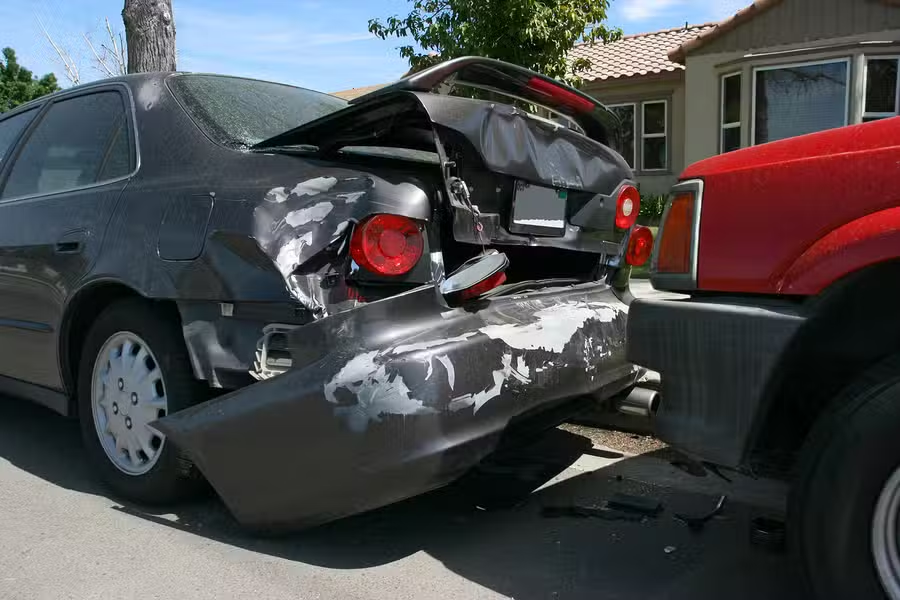
According to experienced Atlanta personal injury attorney Theodore Spaulding at the Law Offices of Spaulding Injury Law, “Oftentimes it is easier to handle your total loss claim with your own insurance company and let your company ‘go after’ the at-fault insurance company to be reimbursed for what it paid you. I often tell clients to first try with the at-fault insurance company, but if you are not getting the attention you deserve to get the claim resolved quickly, don’t feel you are stuck; switch gears and run the claim through your own insurance company.”
Attorney Spaulding adds that the only catch with running a damage claim for a vehicle’s complete loss through your own insurance company “is that you will have to pay your deductible up front (you get the total loss minus your deductible) and wait to get reimbursed for your deductible when your insurance company receives payment from the at-fault insurance company.”
How is a Total Loss Determined?
How does an insurance company determine that a vehicle is a total loss? In the state of Georgia, when repairing a vehicle will cost more than that vehicle is worth, it’s deemed a complete loss.
If you are unhappy with the insurance company’s appraisal – either the other driver’s company or your own – and you believe that your vehicle was worth more, you can accept an insufficient offer, negotiate by yourself or through an attorney for a more acceptable settlement, or hire a lawyer to represent your claim in court.
If you negotiate with a total loss claims adjuster, by yourself or with a lawyer’s help, you must offer something to back up your position that the insurance company’s offer is insufficient.
This might be photographs of the car, truck, or SUV before the crash, receipts for improvements and repairs, and valuations from other qualified appraisers or adjusters.
That’s fine when an insurance company operates in good faith, but if you are being treated unfairly or unjustly, seek an attorney’s help.
If you’ve been injured by a negligent Georgia driver, it’s better to bypass the insurance company completely and take your case directly to an experienced Atlanta personal injury attorney.
An injured victim of negligence in the state of Georgia is entitled by law to full compensation for all medical expenses and lost wages arising from an accident caused by negligence, but to obtain that compensation, that victim will need an experienced injury attorney’s help.
Can You Negotiate Without a Lawyer’s Help?
But if you are only dealing with property damage, and you believe that you are being treated fairly, there’s nothing wrong with conducting your own negotiations with an insurance company.
Understand too that total loss adjusters have little negotiating authority on their own and must answer to senior adjusters and supervisors who make the important coverage, liability, and negotiating decisions.
Total loss adjusters are typically told to settle a claim for a particular amount – or for less if possible. An adjuster may tell you that the company’s first offer is the most that the company can pay you, but that just isn’t true.
If you have evidence which proves that your vehicle was worth significantly more than the adjuster’s offer, a total loss adjuster can take the claim to his or her manager to authorize a better settlement – provided that you are negotiating with honest and reasonable insurance professionals.

In the most egregious situations of unfair treatment regarding a total loss, you may have grounds for filing a bad faith claim against an insurance company that simply fails to meet its clear legal obligation to you.
In such circumstances, an experienced Atlanta personal injury attorney can examine the details of your situation and provide you with sound legal guidance about how best to proceed.
When you’re negotiating for a total loss, remember that a total loss claims adjuster has an exceedingly stressful job. They are individuals under pressure from the company and the boss, and as a customer, you’re another potential source of stress.
Simply remember that a total loss claims adjuster is somewhat like a paid spokesperson who must work from a script and answer to others “behind the scenes.”
If you have any questions or concerns regarding liability or compensation after a traffic collision in Georgia, and especially if you’ve sustained any injuries, don’t hesitate to seek sound legal advice from an experienced Georgia personal injury attorney.
Most insurance companies in Georgia provide consumers with fair, prompt, and professional service. Some do not, but don’t give up or cave into intimidation if you are negotiating for a total loss. Instead, get legal help. It’s your right.

Pain and suffering damages are a part of any injury claim arising out of a Georgia car accident caused by another driver.
As an Atlanta car accident lawyer, I can tell you that Georgia law allows you to recover paid compensation and money for your pain and suffering just like you can recover for your medical bills, pharmacy bills, lost wages, and other out-of-pocket expenses.
If the driver who caused the wreck has insurance, their insurance company is responsible for paying you for all of the damages resulting from the auto accident.
While it is easy to document to the insurance company the total amount of your medical bills, pharmacy bills, wages you lost from having to be away from work, and other out-of-pocket expenses by simply sending them the bills and receipts, how do you document your pain and suffering to the insurance company or jury?
How do you know how much your pain and suffering is worth? And what exactly are pain and suffering damages anyway? Let’s walk through those questions to introduce you to the state of Georgia’s pain and suffering damages in order to understand how pain and suffering is usually valued.
What is Pain and Suffering?
Pain and suffering is one category of monetary compensation that you have a right to pursue after you are injured in an accident along with other categories of damages such as medical bills.
In Georgia, generally speaking, pain and suffering damages are designed to compensate you for the physical and mental pain you have experienced as a result of your injuries and the disruption to your daily life that being injured and in pain causes.
Georgia law recognizes that your total costs when you are injured in a car accident through no fault of your own are more than just the total amount of your medical bills, lost wages, and out of pocket expenses.

Because the law can never give you back the time you lost going to see doctors or the sleepless nights you suffered through or erase the traumatic experience of suffering in pain from your serious injuries all caused by the negligence of another, it has designed pain and suffering damages to provide you money to compensate you for these things that also clearly result from a car crash.
How Do You Prove Pain and Suffering?
Unlike itemized bills and payment receipts that can easily be added and totaled when considering claims in your lawsuit, pain and suffering damages are difficult to quantify.
As a result, they are the damages most frequently fought over by personal injury attorneys and insurance companies.
In Georgia, there is no set formula for converting your pain and suffering into dollars and cents.
It is actually a difficult concept for most injury victims to come to grips with because most would give anything to just go back to the way things were before the crash and not have to experience the pain, trauma, and aftermath of car accidents.
How can they put a dollar figure on what they have had to go through or convince an insurance company what their pain and suffering is worth?
This is where having an experienced Atlanta personal injury lawyer is very important because these attorneys know how best to document your pain and suffering damages to an insurance company during settlement negotiations and to a jury at trial if a settlement never materializes.
There are multiple ways to try to demonstrate to an insurance company or jury the degree of pain and suffering you experienced following the crash. One of the easiest ways of determining liability for your pain and suffering is with your medical records.
The more significant your injuries, the more obvious it should appear to an insurance adjuster just from reading about all of your diagnoses and treatment that you went through a lot of pain and suffering as a result of your injuries.
While this can at times be an effective way to illustrate pain and suffering to an insurance adjuster, it is not always as effective for persuading a jury because jurors do not want to comb through several hundred or even several dozen pages of medical records in a jury deliberation room.
Another example of effective ways to prove your pain and suffering to a jury is through oral testimony, and nobody is in a better position to describe your pain and suffering than you.
After all, nobody has experienced it like you have, and effectively communicating that to a jury during your testimony at trial can be a powerful way of documenting your pain and suffering.
You can also have friends and relatives who knew you before the crash and watched what you went through after the crash testify for you and tell the jury what they witnessed you go through.
In certain cases, it can be even more effective to make a video to play to the jury to show what a typical day is like for you now that you are living in the aftermath of your severe injuries.
Along with videos, pictures of your injuries when they occurred and at various stages of healing can also be an effective way to illustrate your pain and suffering as certain injuries will just scream “how painful that must have been” to jurors.
How Much is My Personal Injury Case Worth?
The answer to this question is the same frustrating answer an auto accident lawyer must so often give their clients – it depends. In Georgia, pain and suffering damages are determined by what the law describes as the “enlightened conscience of fair and impartial jurors.”
In plain English, that means your pain and suffering damages are usually worth whatever a jury of your peers at trial decides they are worth.
Thus, one of the first key factors personal injury attorneys and insurance companies use in trying to estimate how a jury is likely to value pain and suffering settlement damages in a particular case is to look at the county where the case would be tried and evaluate how juries in that county have historically treated similar cases at trial.
Jury verdicts and court files are public records, and some services compile historical information on case facts and jury verdicts so that both attorneys and insurance companies can research past cases and past verdicts to try to gauge what a future jury is likely to do with your case.
Certain Georgia counties are known to be friendlier to injured plaintiffs and historically award more considerable sums for pain and suffering while other counties are known to be highly harsh skeptics when it comes to injured plaintiffs and rarely grant significant amounts for pain and suffering.
Rural counties also generally differ from urban and suburban counties’ views of pain and suffering damages.
This means an insurance company reviewing the facts of two identical crashes with identical resulting injuries could arrive at significantly different settlement values for each simply based on the county in which the case would be tried.
In Georgia, your case will be tried in the county where the person you are suing lives, so that one huge component of the valuation of your pain and suffering damages is almost completely out of your control.
Once you know what county your jury pool will come from, other factors the jury will use to value your pain and suffering include the degree to which your pain and suffering resulting from your injuries has caused:
- interference with the normal living;
- interference with enjoyment of life;
- loss of capacity to labor and earn money;
- impairment of bodily health and vigor;
- fear of extent of injury;
- shock of impact of the crash itself;
- actual pain and suffering, past and future;
- mental anguish, past and future;
- limitation of activities.
This list helps illustrate how pain and suffering damages are designed to essentially convert all of the intangible trauma and the past and future physical and mental costs of being injured due to someone else’s negligence into dollars and cents.
In trying to value how to help pay you for pain and suffering, you can envision each of the above categories having a sliding scale ranging from slight on the low end to severe on the other end.
The more of these categories into which your pain and suffering fit and the closer to severe they are on the sliding scale, the more your pain and suffering should be worth to a jury and consequently to an insurance company who is trying to reach a settlement based in large part on what they project a jury would award if your case went to trial.
The more you have to stretch to try to make an unbiased neutral party believe your pain and suffering fits into more than two or three categories or is more than slight on the sliding scales, the lower your pain and suffering is likely worth at trial.
How is Pain and Suffering Calculated?
Typically, after taking the evidence and all of the external factors into account, juries will award legal pain and suffering damages as some multiple of the total of your medical bills.
Depending on where that jury is from, how many of the above categories the pain and suffering fits into, and where it lands on the sliding scale of each category, a jury could award pain and suffering damages by multiplying your total bills by anything from 1 to 10 or more.

It really just depends on the facts of the case, how good of an impression the jury has of you as the injured plaintiff and so many other factors that no person or program can predict with 100% accuracy.
This is why having an experienced personal injury attorney who knows how to gauge the likely value of your pain and suffering damages is so important to make sure you maximize the value of your case.

Deadline To File After A Car Accident In Georgia
Why It Is So Important
The deadline to file a lawsuit in Georgia after a car accident is called the statute of limitations. As our Lawrenceville car accident attorneys will discuss in a moment, there are two different claims in an auto accident case, each with their own statute of limitations.
The statute of limitations for your claims after an accident are so important because if you do not get your lawsuit filed by the date of the statute of limitations, you forever lose your rights to pursue the at-fault party(s) for your injuries or property damage.
What Is The Car Accident Statute of Limitations?
As mentioned above, there are two claims in Georgia after a car accident caused by the negligence of another driver: 1). Property damage claim; and 2). Personal injury claim. Each of these has a separate statute of limitations governing when a lawsuit must be filed before forever losing that claim:
Property Damage Claim Deadline
Your claim to receive money for the repair of your vehicle or total loss of the same is called the property damage claim. This claim has a four (4) year statute of limitation calculated from the date of the accident. Therefore, you must file a lawsuit seeking your property damage expenses within four years from the date of the accident or forever lose this claim.
Personal Injury Claim Deadline
Your claim for injuries sustained in the accident is called the personal injury claim. This claim has a two (2) year statute of limitation as well calculated from the date of the accident in most cases. “In most cases” because there are unique situations where the two year statute of limitations is frozen and therefore does not start to run until a much later date. For example, if a minor is injured, his or her statute of limitations does not begin to run until he or she turns 18.

What Must Be Filed
It is very important to remember that what must be filed by the statute of limitations deadline is an actual lawsuit (complaint) in a court of law. Just filing a “claim” with the at-fault driver’s insurance company and/or your insurance company is not the same thing.
Other Car Accident Articles and Blog Posts That May Be Helpful
We hope you found this information helpful to you. If you have additional questions about various aspects of a car accident case in Georgia, please visit our Learning Center or blog for various articles and posts regarding car accident case topics.
If you would like to speak to one of our car accident lawyers for a free consultation, please do not hesitate to give us a call at (770) 887-3162.
Georgia’s Auto Insurance Laws
In 2015, more than 385,000 traffic accidents – over a thousand crashes a day – were reported in the state of Georgia, according to the Governor’s Office of Highway Safety. More than 19,000 people sustained serious injuries in those crashes and more than 1,400 sustained fatal injuries.
With those disconcerting numbers in mind, you need to know what recourse you have if you or someone you love is injured by a negligent driver in this state and how an Atlanta car accident attorney can help.
If you are injured in a traffic accident in Georgia because another driver was negligent, you are entitled under the law to complete compensation for all of your accident-related medical expenses, lost income and lost earning capacity, and more.
However, being “entitled” does not mean that your compensation will automatically appear in your mailbox or your checking account.

To obtain the compensation that is legally yours, you will have to prove that you are a victim of negligence. It will take some effort, and you’ll need the help of an experienced Atlanta personal injury attorney to do that.
This is a quick and general introduction to Georgia’s automobile insurance laws and regulations. The state of Georgia is not a no-fault car insurance liability state. Georgia instead has a “fault” system for insurance coverage and liability after a traffic collision.
This means that a driver who is at fault for an accident is liable for any property damages or personal injuries resulting from the accident, and his or her policy will be looked at first.
In this state, a person injured by another driver’s negligence may seek compensation:
- by filing a claim with his or her insurance company (which will then seek compensation from the negligent driver’s insurance company)
- by directly pursuing a “third party” claim with the other driver’s auto insurer
- by filing a civil personal injury lawsuit
What Insurance Coverage is Required for Drivers in Georgia?
In no-fault states, without regard to which driver was at fault in an accident, someone who has been injured in that accident must exhaust his or her own policy’s limits or reach a legal limit for damages before seeking compensation from the other driver.
Georgia, however, does not require an injury victim to exhaust his or own policy first. Georgia requires all motor vehicle owners to carry liability insurance on every vehicle they own.

Drivers in this state must carry the following minimum liability coverage:
- $25,000 for the injury or death of one person in a collision
- $50,000 total for multiple injuries or fatalities in a single collision
- $25,000 for property damage
These are the minimum legal coverage requirements in Georgia, but drivers who can carry more automobile insurance coverage should do so.
If you are deemed to be at fault for a traffic collision, and the damages from that collision surpass your auto insurance policy’s limits, you may be liable for the amount of the difference.
While you should speak with an Atlanta personal injury lawyer to discuss the details of a specific case, after any traffic accident in Georgia, you should take these steps first and at once:
Get medical attention. If you do not seek medical attention immediately after a traffic accident, and if you need to file an injury claim later, the auto insurance company may take the position that you were not really injured. Have a doctor look at you even if you don’t “feel” injured.
If you suffer any serious injury, do not speak with an auto insurance company’s representative. Do not sign any papers and do not admit anything. Let your personal injury lawyer handle the talking and negotiating.
Do not try to act as your own lawyer. Your future is far too important. Instead, consult an Atlanta personal injury attorney at once. After you’ve been injured by negligence, an experienced personal lawyer can usually negotiate an acceptable settlement without anyone having to go to court.
How Does Uninsured/underinsured Motorist Coverage Work?
Unlike some states, Georgia does not require drivers to carry uninsured/underinsured motorist coverage (UIM). UIM coverage functions to supplement your own policy in an accident where the negligent driver either has no auto insurance or only has coverage that is insufficient to cover the damages. In this state, UIM coverage is either “excess” coverage or “reduction” coverage. What is the distinction?
If you carry UIM reduction coverage in Georgia – it may also be called “set-off” or “non-stacking” coverage – the availability of your UIM coverage is reduced by the amount of the other driver’s coverage.
For example, a UIM reduction policy offering $25,000 of UIM coverage will simply be canceled out if the negligent driver is insured and is compliant with this state’s $25,000 minimum coverage requirement.

However, a policy for excess UIM coverage “stacks” onto – that is, is not reduced by – the negligent driver’s coverage, so it would give you an additional $25,000 of UIM coverage after the at-fault driver’s policy is exhausted.
When you purchase UIM coverage, make certain that you know whether you have reduction coverage or excess coverage, and have the details of the coverage explained to you.
How Much Time Do You Have to Act if You’ve Been Injured?
How long do you have to take legal action if you’ve been injured by a negligent driver on a Georgia street or highway? The state enforces a two-year civil statute of limitations that generally applies, with some specific exceptions, to all personal injury claims arising from traffic accidents.
However, for an injury victim under age 18, the two-year period is “tolled” – that is, it does not begin – until he or she is “emancipated” through marriage or reaches age 18. Other exceptions in Georgia law may also extend the two-year statute of limitations for personal injury claims.
However, after you’ve been injured by a negligent driver in Georgia, the statute of limitations should not be a concern for you – unless you wait two years and try to file a lawsuit at the last minute.
The smarter move is to contact a personal injury attorney at once after you’ve been injured and you’ve been seen by a doctor.
When you put an experienced Atlanta personal injury attorney to work for you immediately, your attorney will have the maximum amount of time to investigate your accident and injury and to build a strong case on your behalf.
Connect with us


- November 2025
- October 2025
- September 2025
- August 2025
- July 2025
- May 2025
- April 2025
- March 2025
- February 2025
- January 2025
- December 2024
- November 2024
- October 2024
- September 2024
- July 2024
- June 2024
- May 2024
- April 2024
- March 2024
- February 2024
- January 2024
- December 2023
- November 2023
- August 2023
- June 2023
- May 2023
- April 2023
- March 2023
- February 2023
- August 2022
Archives
- Alpharetta
- Atlanta
- Atlanta Legal Service
- Back Injuries
- Brain Injuries
- Car Accidents
- Construction Accident
- Covid-19
- Cumming
- Dog Bites
- FAQs
- Firm News
- Georgia
- Gwinnett County
- Interview
- Lawrenceville
- Motorcycle Accidents
- Negligent Security
- Pedestrian Accidents
- Personal Injury
- Premises Liability
- Property Damage
- Slip and Fall Accidents
- Spaulding Injury Law Service
- Swimming Pool Accidents
- Train Accidents
- Truck Accidents
- Uncategorized
- Video
- Wrongful Death
Categories
Spaulding Injury Law:
Atlanta
Personal Injury & Car Accident Lawyer
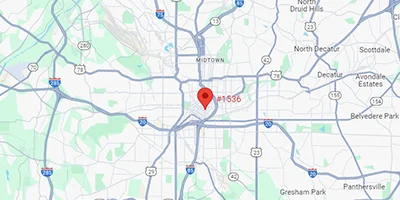
50 Hurt Plaza S.E. #1536,
Atlanta GA 30303
 Get Directions
Spaulding Injury Law:
Alpharetta
Personal Injury & Car Accident Lawyer
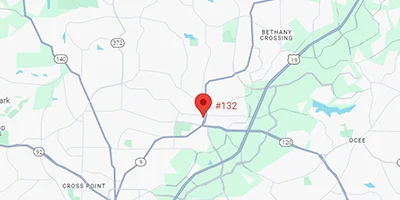
44 Milton Ave #132
Alpharetta, GA 30009
 Get Directions
Spaulding Injury Law:
Cumming
Personal Injury & Car Accident Lawyer
5860 Bond St
Cumming, GA 30040
 Get Directions
Spaulding Injury Law:
Lawrenceville
Personal Injury & Car Accident Lawyer
223 Scenic Hwy S #202
Lawrenceville, GA 30046
 Get Directions